As an architect, your passion lies in bringing visions to life, designing functional and beautiful spaces that inspire. However, the business side of things, like billing clients, is just as crucial for a healthy practice. Crafting a clear, professional invoice might seem like a small detail, but it speaks volumes about your attention to detail and professionalism, ensuring you get paid accurately and on time for your valuable expertise.
Think about it: after pouring your creative energy into blueprints, consultations, and site visits, the last thing you want is a convoluted billing process that causes confusion or delays. A well-designed invoice isn’t just a request for payment; it is a vital communication tool that transparently outlines the services provided and the associated costs, building trust and maintaining strong client relationships.
This is where a dedicated invoice template for architectural services becomes an absolute game-changer. It streamlines your billing, reduces errors, and ensures consistency across all your projects. No more starting from scratch for every client or worrying if you have forgotten any important details. Let us explore what makes an exceptional template and how it can elevate your architectural practice.
What Makes a Great Invoice Template for Architectural Services Truly Stand Out
A truly effective invoice template for architectural services goes far beyond simply listing a number and a price. It serves as a professional reflection of your firm, meticulously detailing every aspect of the work you have completed. This level of clarity helps clients understand exactly what they are paying for, preventing misunderstandings and fostering a smooth financial transaction process. It is about presenting your services in an organized, digestible format that reinforces your expertise.
Consider the diverse nature of architectural projects. From initial conceptual design and feasibility studies to detailed construction documents and ongoing project management, each phase involves distinct deliverables and time commitments. Your invoice needs to clearly articulate these stages, showing how each contributes to the overall project scope and cost. A generic template simply cannot capture this nuance, often leading to vague descriptions that leave clients scratching their heads.
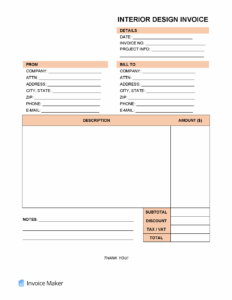
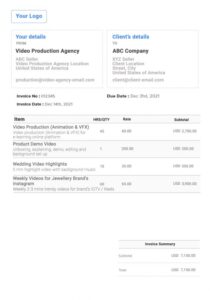
Furthermore, a great template incorporates all the necessary legal and financial information without feeling overwhelming. This includes not just your firm’s details and the client’s information, but also unique invoice numbers, dates of service, and clear payment terms. Adherence to these details not only protects your business but also signals your professionalism and attention to good governance.
The aesthetic appeal of your invoice also plays a subtle yet significant role. A clean, well-branded invoice subtly reinforces your firm’s identity and design philosophy. It is another touchpoint where your commitment to quality and thoughtful design shines through, even in administrative tasks. This consistency across all client interactions contributes to a cohesive and professional brand image.
Ultimately, a top-tier invoice template for architectural services is a tool that enhances efficiency and confidence. It allows you to spend less time on administrative tasks and more time on what you do best designing and building. By automating much of the billing process, you free up valuable hours, improve cash flow predictability, and maintain a high level of accuracy.
Essential Elements to Include for Clarity and Professionalism
- Your firm’s full legal name, address, phone number, and email.
- The client’s full legal name, company name, and address.
- A unique invoice number for easy tracking and record-keeping.
- The date the invoice was issued and the due date for payment.
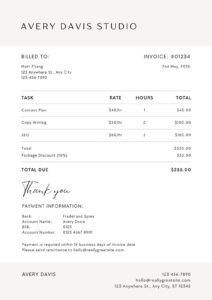
- A detailed breakdown of services provided, clearly describing each task, phase, or deliverable.
- The quantity or hours for each service, along with the agreed-upon hourly rate or fixed fee.
- Any applicable expenses, such as travel, printing, or consultant fees, itemized separately.
- Subtotals for services and expenses, along with any taxes, to arrive at a grand total.
- Clear payment instructions, including accepted payment methods and bank details if applicable.
- Your firm’s logo and branding for a consistent professional appearance.
Beyond the Basics Choosing the Right Format and Features
Once you understand the core components, the next step is to consider the format and additional features that will best serve your architectural practice. The days of purely paper-based invoicing are largely behind us, with digital solutions offering unparalleled flexibility and efficiency. Opting for a digital format, whether it is a customizable document in a word processor, a spreadsheet, or specialized invoicing software, provides significant advantages in terms of storage, retrieval, and environmental impact.
Many architectural firms find that integrating their invoice template with accounting software is incredibly beneficial. This approach automates calculations, tracks outstanding payments, and simplifies year-end tax preparations. It moves you away from manual data entry, drastically reducing the chances of human error and freeing up administrative time that can be better spent on client-facing activities or project development.
Customization is another key feature to prioritize. While a template provides a solid foundation, the ability to tweak it to fit specific project types, client agreements, or even branding updates is invaluable. You might need to add specific clauses for intellectual property rights, adjust payment schedules for multi-phase projects, or simply update your contact information. A flexible template empowers you to maintain professionalism without being constrained by rigid structures.
Choosing the right format and features for your invoice template for architectural services is not just about convenience; it is a strategic business decision. It directly impacts how quickly you get paid, how easily you can manage your finances, and the overall impression you leave on your clients. A well-thought-out system reflects an organized and forward-thinking practice.
Consider features that allow for recurring invoices if you have ongoing retainer agreements, or the ability to generate progress invoices for large-scale, long-term projects. These functionalities are particularly relevant for architectural services, where projects often span many months or even years, requiring staged payments tied to milestones.
- Ease of integration with existing accounting or project management software.
- Cloud-based accessibility for invoicing on the go from any device.
- Automated reminders for overdue payments, gently prompting clients.
- Secure payment gateway options for convenient online transactions.
- Robust reporting features to analyze billing trends and financial health.
Implementing a robust invoice template for architectural services significantly streamlines your administrative workload, allowing you to dedicate more time to your core competencies and creative pursuits. It cultivates a professional image, builds client confidence, and ensures the financial health of your practice. Investing in a well-designed and functional template is truly an investment in your business’s future success.
By embracing a standardized, yet flexible, approach to invoicing, you not only simplify your own processes but also provide your clients with clarity and transparency. This dedication to detail, even in the smallest administrative tasks, reinforces your firm’s reputation for excellence and meticulousness, paving the way for smoother project completion and stronger client relationships for years to come.