Navigating the world of Value Added Tax (VAT) can often feel like deciphering a complex puzzle, especially when your business operations extend beyond domestic borders or involve specific types of services and goods. Understanding your obligations and ensuring compliance is paramount to avoiding hefty penalties and maintaining smooth financial operations. One particular area that frequently causes confusion, yet is absolutely crucial for many businesses, is the VAT reverse charge mechanism.
This system, designed to simplify VAT administration and combat fraud in certain transactions, shifts the responsibility for accounting for VAT from the supplier to the customer. While it might sound straightforward in theory, the practical application requires meticulous attention to detail, especially when it comes to invoicing. Incorrectly formatted invoices can lead to significant headaches for both parties involved.
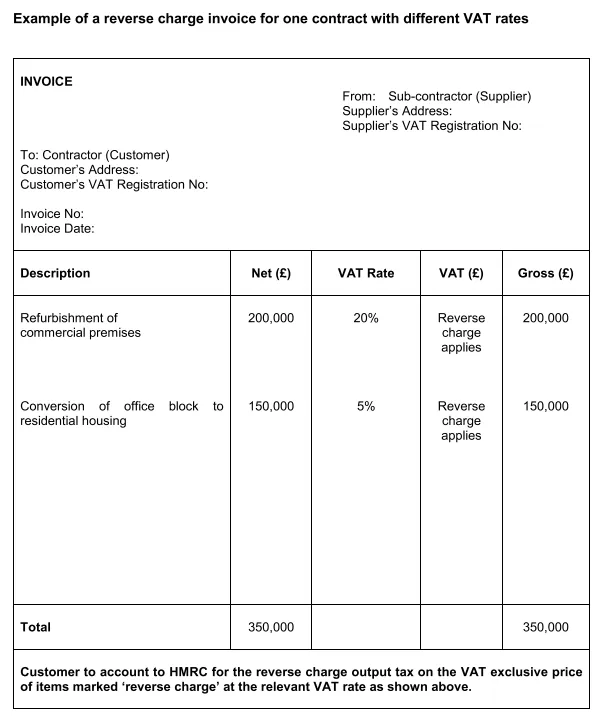
That’s where a properly designed vat reverse charge invoice template becomes an indispensable tool. It’s not just about ticking a box; it’s about clearly communicating the VAT treatment of a transaction to ensure that everyone involved understands their obligations, thus streamlining your accounting processes and keeping you on the right side of tax regulations.
What Exactly is the VAT Reverse Charge Mechanism?
At its core, the VAT reverse charge mechanism is a system where the recipient of goods or services, rather than the supplier, is liable to account for the VAT to the tax authorities. Instead of the supplier charging VAT on their invoice and then paying it over to the government, they issue an invoice with no VAT charged, and the customer calculates and pays the VAT themselves, simultaneously claiming it back as input tax, if eligible. This effectively means that for the customer, it often results in a nil net payment of VAT to the authorities for that specific transaction.
This system was primarily introduced to simplify VAT for cross-border transactions, especially within the European Union, where it prevents businesses from having to register for VAT in multiple countries. It also serves as an anti-fraud measure, particularly in sectors prone to “carousel fraud,” by ensuring that VAT is accounted for by a business firmly established within the national tax system. Without this mechanism, a supplier might collect VAT from a customer but then disappear without remitting it to the government.
For the supplier, this means they do not collect or pay VAT on the sale; their invoice will show a net amount only and state that the reverse charge applies. For the customer, they effectively “self-account” for the VAT. They declare the VAT as both output VAT (VAT due on sales) and input VAT (VAT recoverable on purchases) on their VAT return. This process makes it easier for tax authorities to track transactions and ensure VAT is correctly declared.
Key Scenarios Where Reverse Charge Applies
It is absolutely crucial for businesses to accurately identify when the reverse charge applies, as misapplying it can lead to penalties for incorrect VAT accounting. Understanding your customer’s VAT registration status, their location, and the nature of the goods or services being provided are all critical pieces of information for making this determination. This process requires diligence and often a good understanding of international and national VAT regulations.
Essential Elements of a Compliant Vat Reverse Charge Invoice Template
When dealing with transactions subject to the reverse charge, issuing a standard invoice simply won’t suffice. The invoice must clearly indicate that the reverse charge mechanism applies, shifting the VAT liability to the customer. This isn’t just a suggestion; it’s a legal requirement in most jurisdictions, and omitting this crucial detail can lead to your invoice being deemed invalid for VAT purposes, causing headaches for both your business and your client.
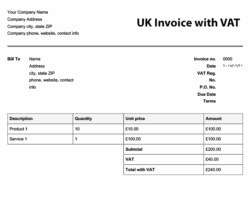
A compliant vat reverse charge invoice template needs to include all the regular information expected on any commercial invoice, but with a few very important additions and modifications. Failing to include these specific details can result in disputes with tax authorities and potentially delay VAT recovery for your customer or even incur penalties for your business.
Here are the critical elements you should always include:
The statement explicitly mentioning the reverse charge is perhaps the most vital component. It serves as a clear instruction to the customer regarding their VAT obligations for that particular transaction. Without it, the customer might incorrectly assume that VAT has been charged and paid, or they might struggle to reclaim the VAT if their tax authority requests proof that the reverse charge mechanism was correctly applied by the supplier. Using a structured vat reverse charge invoice template ensures this essential information is never overlooked.
Operating under the reverse charge mechanism requires meticulous attention to detail and a clear understanding of your obligations. By consistently utilizing a well-structured and comprehensive vat reverse charge invoice template, businesses can ensure they meet all regulatory requirements, fostering transparency and trust in their financial dealings. This proactive approach not only keeps you compliant but also simplifies accounting for both suppliers and customers. Investing the time to properly set up and use such a template can save countless hours of administrative hassle and prevent potential penalties down the line, ensuring your business transactions are always above board and efficient.