Navigating the financial aspects of a homeowners association can sometimes feel like a delicate balancing act. On one hand, you need to ensure the community has the necessary funds for maintenance, amenities, and future projects. On the other hand, clear and professional communication with residents about their financial obligations is paramount to fostering a positive and transparent relationship. This is where a well-structured system for collecting dues becomes indispensable.
For many HOAs, collecting regular dues is a fundamental task, but how these requests are presented can significantly impact both collection rates and homeowner satisfaction. A haphazard or unclear request for payment can lead to confusion, delays, and even disputes. Conversely, a professional, easy-to-understand invoice signals efficiency and accountability from the HOA’s management.
This article aims to simplify one of the most crucial administrative tasks for any HOA: billing for dues. We will explore the benefits and components of utilizing a robust homeowners association dues invoice template, helping your association streamline its financial operations and enhance communication with its valued members.
Why a Standardized Invoice Template is Crucial for Your HOA
Adopting a standardized invoice template brings a remarkable level of professionalism and consistency to your HOA’s financial communications. Imagine every homeowner receiving a clear, identical document detailing their dues. This consistency builds trust, reduces queries, and ensures that everyone is on the same page regarding their financial responsibilities to the community. It eliminates any potential for misinterpretation that might arise from varying formats or incomplete information, which can often be the case without a template.
Beyond just aesthetics, a well-designed invoice template significantly aids in clarity for the homeowners themselves. They can quickly identify the amount owed, the period it covers, and the due date, without having to search through complex or verbose letters. This transparency is key to prompt payments and happier residents, as it demonstrates that the HOA values their time and aims to make their experience as straightforward as possible.
From a record-keeping and legal standpoint, using a consistent template is invaluable. Each invoice serves as a formal record of a billing event, which is essential for financial audits, dispute resolution, and maintaining accurate accounts. It provides a clear paper trail (or digital trail) that can be easily referenced by both the HOA board and homeowners, ensuring compliance and accountability. This level of organized documentation can save countless hours and potential headaches down the line.
Key Elements of an Effective HOA Dues Invoice
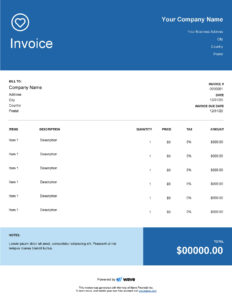
To be truly effective, an invoice needs to contain specific pieces of information that leave no room for ambiguity. These elements ensure that the homeowner has all the details they need to understand and fulfill their payment obligation.
Here are the critical components you should include:
- HOA Name and Contact Information: Clearly state who is sending the invoice.
- Homeowner’s Name and Property Address: Ensure the invoice is directed to the correct individual and property.
- Invoice Number: A unique identifier for tracking purposes.
- Invoice Date: The date the invoice was generated.
- Due Date: The specific date by which payment is expected.
- Service Period: Clearly state what period the dues cover (e.g., “January 1 – March 31, 2024”).
- Detailed Breakdown of Charges: List the base dues, any special assessments, late fees, or other charges separately.
- Total Amount Due: The final sum the homeowner needs to pay.
- Payment Instructions: How and where to submit payment (e.g., online portal, mailing address).
- Late Payment Policy: Briefly reiterate any penalties for overdue payments.
By including these components, your invoice goes from a simple request for money to a comprehensive and professional communication tool. It ensures that every homeowner receives a consistent and complete picture of their financial obligations, fostering a more transparent and harmonious community.
Streamlining Your Dues Collection Process
Implementing a robust invoice template goes far beyond merely sending out payment requests; it’s about fundamentally improving the efficiency of your entire dues collection process. For HOA boards and management, this means less time spent on administrative tasks and more time focused on community needs. When invoices are standardized, the process of generating, sending, and tracking them becomes significantly faster and less prone to human error, freeing up valuable resources that can be redirected to other important aspects of managing the association.
Consider the benefits of both digital and physical distribution methods. While many HOAs are moving towards digital invoicing via email or member portals, having a flexible template allows for both options. Digital invoices can be sent out instantly, reducing postage costs and accelerating delivery. However, a printable template ensures that members who prefer or require physical mail still receive clear, professional documentation, accommodating the diverse preferences within your community.
Furthermore, a well-designed template can seamlessly integrate with or inform your accounting software or simpler record-keeping systems. Instead of manually inputting every detail, the structured nature of the template makes it easier to transfer information accurately, whether through automated systems or by quick manual entry. This reduces the chances of transcription errors and ensures that your financial records are always up-to-date and reliable, which is critical for budgeting and financial reporting.
Ultimately, a streamlined invoicing process contributes to a more organized and harmonious community. Homeowners appreciate the clarity and predictability, making them more likely to pay on time. For the HOA, it means better cash flow, less administrative burden, and a professional image that reinforces trust and confidence among its members.
A systematic approach to dues collection, anchored by a clear and comprehensive invoice, cultivates a stronger financial foundation for your homeowners association. It ensures that the essential funds needed for maintaining and enhancing the community are collected efficiently, allowing the HOA to fulfill its responsibilities effectively. This commitment to transparency and professionalism in financial dealings is a cornerstone of successful community management.
By embracing a well-designed invoicing process, HOAs can significantly improve their operational efficiency and foster better relationships with their members. It’s an investment in clarity and consistency that pays dividends in terms of financial stability and overall community satisfaction, making the task of managing an association much smoother for everyone involved.