Searching for that perfect way to spend your break can be a bit overwhelming, especially when you are trying to break into a new industry. When you are scouting for roles in competitive fields, having a reliable summer internship cover letter template can make the difference between getting an interview or getting ignored. It is all about how you present your story and your eagerness to learn, showing the hiring manager that you are the right fit even if you do not have years of professional experience yet. Using a solid structure helps you stay organized while ensuring you do not miss any of the vital details that recruiters are looking for during the busy hiring season.
Most students think their resume does all the heavy lifting, but the truth is that recruiters often look at the letter first to see if the candidate has a genuine interest. This is your chance to show your personality and prove that you are more than just a list of grades and extracurricular activities. A well written letter shows that you have actually thought about why you want to work for that specific company and how you can contribute to their goals. It acts as a bridge between your academic life and the professional world, helping the reader visualize you in the role before you even step into the office.
As you prepare to apply, remember that the goal is to be both professional and approachable. You want to sound like a real person who is excited about the opportunity, not a robot reciting a script. By following a clear outline, you can focus your energy on the content rather than worrying about the formatting. Let us dive into the specifics of how you can build an application that grabs attention and helps you land that dream role this coming season.
The Essential Building Blocks of a Great Application
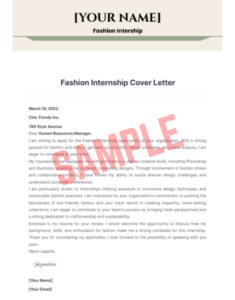
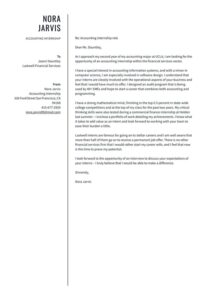
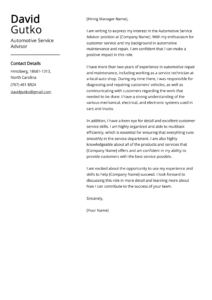
The first thing you need to consider is the overall layout of your document. A professional appearance sets the tone for the entire interaction. Start with a clean header that includes your name, phone number, and email address. Make sure your email sounds professional, as using an old nickname from middle school might give the wrong impression. Below your information, add the date and the contact details of the hiring manager if you can find them. This level of detail shows that you are serious about the position and have taken the time to research the organization properly.
Addressing the recruiter by name is a small touch that goes a long way. If the job description does not list a specific person, you can try looking on the company website or LinkedIn to find the department head. Avoid using generic greetings like to whom it may concern whenever possible, as it can feel a bit cold and outdated. Instead, try to find the person who will actually be reviewing your application to create an immediate connection.
Crafting a Hook That Grabs Attention
Your opening paragraph is where you need to make a strong impression right away. Mention the specific role you are applying for and how you heard about it. If you were referred by a current employee or a professor, this is the perfect place to mention that name. Explain briefly why you are passionate about this particular company. Maybe you have followed their recent projects or you admire their company culture. Showing that you have done your homework will immediately set you apart from candidates who are just sending out dozens of identical applications.
In this section, you should also mention your current year in school and your major. This gives the recruiter context about where you are in your educational journey. Keep this part concise and upbeat. Your goal is to make them want to keep reading to find out what else you have to offer.
Highlighting Your Relevant Skills and Achievements
The middle paragraphs are the heart of your message. This is where you connect your academic background and any previous work experience to the requirements listed in the job description. Even if you have never had a formal job before, think about class projects, volunteer work, or leadership roles in student clubs. These experiences demonstrate soft skills like teamwork, communication, and problem solving which are highly valued in any workplace. Use specific examples to illustrate your points rather than just listing adjectives.
For example, instead of saying you are a hard worker, describe a time you managed a complex project under a tight deadline. Quantify your achievements whenever you can, such as mentioning that you increased social media engagement by a certain percentage or organized an event for a specific number of students. This provides concrete evidence of your capabilities and helps the recruiter understand the value you can bring to their team during your time with them.
Fine Tuning Your Content for Maximum Impact
Once you have the main body of your letter written, it is time to focus on the finer details that will make your application truly shine. Tailoring each letter to the specific company is the most important step you can take. While you might use a summer internship cover letter template as a starting point, you should never send the exact same document to two different places. Every company has a unique voice and set of values, and your letter should reflect that. Take some time to read their mission statement and look at their recent news to see what they care about most right now.
Proofreading is another critical step that many students overlook in their rush to submit applications. A single typo or grammatical error can suggest a lack of attention to detail, which is a red flag for many employers. Read your letter out loud to catch any awkward phrasing or repetitive words. It can also be helpful to have a friend or a mentor look it over to provide a fresh perspective. Sometimes we are too close to our own writing to see the simple mistakes that others might notice immediately.
To ensure you have covered all the bases, keep these key elements in mind as you finalize your draft:
The final paragraph should reinforce your enthusiasm and invite the reader to contact you. Thank them for their time and consideration, and mention that you look forward to the possibility of discussing your application in an interview. This professional closing leaves a positive final impression and shows that you are confident in your ability to contribute to the organization. Sign off with a standard closing like sincerely or best regards followed by your full name.
Taking the time to build a strong foundation for your application will pay off in the long run. By showing that you are prepared, professional, and genuinely interested in the opportunity, you significantly increase your chances of moving forward in the hiring process. Remember that an internship is not just about what you can do for the company, but also about what you can learn from them. Highlighting your growth mindset will show recruiters that you are a valuable investment for their summer program.
As you move forward with your search, stay persistent and keep refining your approach based on the feedback you receive. Each application you send is a learning experience that brings you one step closer to your career goals. With a clear plan and a professional attitude, you will find an opportunity that allows you to develop your skills and make meaningful connections in your chosen field. Good luck with your applications and enjoy the process of starting your professional journey.