Finding your first real world work experience can feel like a daunting task when you are still sitting in a classroom. You spend hours polishing your resume and wondering if your class projects are enough to impress a hiring manager at a big company. The truth is that most employers look for potential and passion rather than a decades worth of experience when they hire interns. This is why using a student internship cover letter template can be a total game changer for your application process. It provides you with a solid foundation to tell your story and explain how your academic background translates into real value for a business.
A lot of students make the mistake of thinking that the cover letter is just a formality that nobody actually reads. In reality the cover letter is often the only place where you get to show your personality and explain the context behind your grades. While a resume lists what you did a cover letter explains how you think and why you care about the industry. For an intern this narrative is much more important because it proves that you are eager to learn and that you have a professional mindset even if you have never worked in an office before.
In this guide we are going to explore how to build a professional introduction that stands out from the pile of hundreds of other applicants. We will look at the different sections you need to include and how to speak the language of a recruiter. By the time you finish reading this you will understand how to take a standard format and turn it into a personalized pitch that reflects your unique strengths. Let us dive into the details of making your application impossible to ignore.
Building a Strong Foundation for Your Application
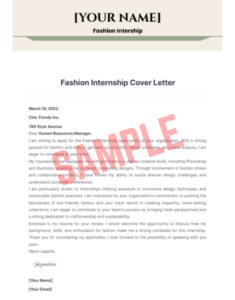
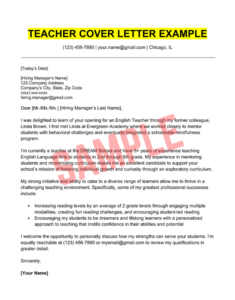
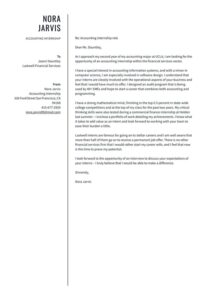
The first thing you need to realize about writing to a recruiter is that they are very busy people who scan documents quickly. You want to make sure your structure is clean and easy to follow from the very first line. Start with a professional header that includes your name and your contact information. You should also include the date and the details of the person you are writing to if you can find their name. Addressing a specific person shows that you took the time to do your research which always makes a better impression than a generic greeting.
The Art of the Opening Statement
Your first paragraph needs to be direct and engaging so the reader wants to keep going. Mention the specific role you are applying for and where you found the job listing. This is also a great place to state your current major and your university so the employer knows exactly where you are in your educational journey. Instead of just saying you want the job try to express a genuine interest in the company mission. If they are working on a project that excites you mention it here to show that you are paying attention to their work.
After you have introduced yourself it is time to connect your education to the needs of the company. Even if you do not have professional experience you have likely completed assignments or labs that required specific skills. Talk about a major project where you had to solve a complex problem or work with a team to reach a goal. Explain the tools you used and the results you achieved because these details prove that you can handle responsibility. Recruiters love to see evidence of a hard work ethic and a willingness to tackle difficult tasks.
Highlighting Your Transferable Skills
Since you are a student you might feel like you do not have much to talk about but that is rarely true. Think about your extracurricular activities such as being part of a club or volunteering for a local charity. These roles often require leadership and communication and organization which are all highly valued in an internship. If you were the treasurer for a student organization you have experience with budgeting and attention to detail. These are transferable skills that apply to almost any professional setting and you should highlight them clearly.
Another important aspect of your letter is showing that you understand the culture of the company. Every business has a different way of working and you want to demonstrate that you will fit right in. If the company is a fast paced startup you should mention your ability to adapt to change and learn quickly. If it is a traditional corporate firm focus on your professional demeanor and your respect for established processes. This level of customization shows that you are not just sending out a hundred identical letters but are actually interested in this specific opportunity.
Finally you need to wrap up your letter with a strong call to action. Thank the hiring manager for their time and express your desire to discuss how you can contribute to their team in an interview. You want to sound confident but humble throughout the entire document. Use a professional closing like sincerely followed by your full name. This creates a polished and cohesive look that tells the employer you are ready to transition from a student to a professional contributor.
Maximizing the Impact of Your Documents
When you sit down to fill out your student internship cover letter template you should always keep the job description right next to you. Use the same keywords that the employer used in their posting because many companies use software to scan for specific terms. If the job description emphasizes teamwork make sure you use that exact word when describing your group projects. This simple strategy helps your application get past the initial screening and into the hands of a real human being who can make a hiring decision.
Formatting is just as important as the words on the page because a messy letter suggests a messy worker. Use a clean and standard font that is easy to read on a screen and keep your margins consistent. You should also save your document as a pdf file before you send it to ensure that the formatting stays exactly the same no matter what device the recruiter is using. A well organized letter reflects your attention to detail and your commitment to high quality work which are the very traits an intern needs to succeed.
- Check for spelling and grammar errors multiple times before hitting send
- Ensure your contact information is up to date and professional
- Match the tone of your writing to the company website and social media
- Keep the total length of your letter to a single page
- Verify that you have mentioned the correct company name in every paragraph
It is also a good idea to have a friend or a mentor read over your work to give you a fresh perspective. Sometimes when you look at a document for too long you stop seeing the small mistakes or the awkward phrasing. A second pair of eyes can help you catch those tiny errors that might make you look less professional. Taking the extra time to perfect your letter shows that you take the opportunity seriously and that you are willing to go the extra mile to produce excellent results.
Taking the leap into the professional world is an exciting milestone in your life. It is natural to feel a bit nervous about the application process but having a plan makes everything much easier to manage. Remember that every successful professional started exactly where you are right now and they all had to write their first cover letter at some point. The effort you put into your application today is the foundation for the career you will build tomorrow so take a deep breath and start typing.
Once you have your materials ready all that is left is to be brave and submit them to the companies you admire. Do not let the fear of rejection hold you back from pursuing the roles that will help you grow. Every application you send is a learning experience that brings you one step closer to your goals. You have worked hard in your studies and you have a lot of value to offer to any team lucky enough to have you. Go ahead and put your best foot forward and watch as the doors of opportunity begin to open for you.