Landing your dream job as an occupational therapist starts long before the interview. It often begins with a powerful first impression through your cover letter. A well-crafted occupational therapy cover letter template can be your secret weapon, helping you stand out in a competitive job market and clearly communicate why you are the ideal candidate for the role. It’s more than just a formality; it’s an opportunity to tell your story, showcase your passion, and connect your unique skills with the needs of a potential employer.
Many OTs feel a little stumped when it comes to writing a cover letter. After all, you’re experts in helping people achieve meaningful lives, not necessarily in persuasive writing for job applications. But thinking about it as a chance to advocate for yourself, just like you advocate for your clients, can make the process less daunting. It’s about articulating your value and demonstrating how your specific experiences and expertise align perfectly with the job description.
Consider your cover letter as a personalized introduction that complements your resume, adding depth and personality that bullet points simply can’t convey. It allows you to elaborate on key achievements, explain career transitions, or express your genuine excitement for a particular setting or patient population. This document is your chance to make a direct, memorable connection with the hiring manager before they even look at your CV.
Crafting a Compelling Occupational Therapy Cover Letter
Creating a truly effective cover letter means going beyond simply filling in the blanks. It requires thoughtfulness and strategic communication to highlight your unique qualifications and passion for occupational therapy. Think of it as building a bridge between your resume’s facts and figures and the hiring manager’s desire to find a dynamic, compassionate, and skilled OT.
Understanding the Structure
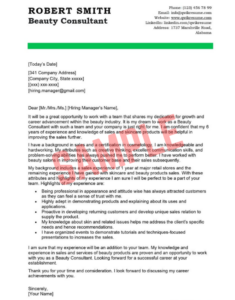
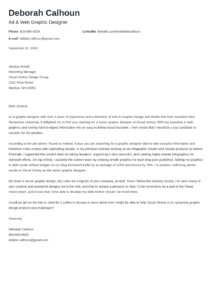
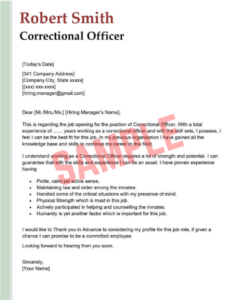
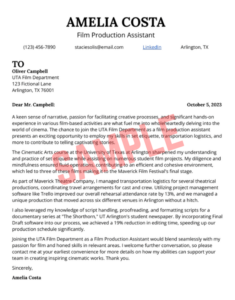
Every strong cover letter begins with proper formatting and a clear structure. Start with your contact information at the top, followed by the date, and then the hiring manager’s contact details (if known). Always address the letter to a specific person if possible; a quick call to the organization can usually get you this name. This shows initiative and attention to detail from the outset.
The opening paragraph is your hook. It should state clearly which position you’re applying for and where you saw the advertisement. More importantly, it should immediately convey your enthusiasm and a concise reason why you believe you’re a strong candidate. For example, "I am writing to express my profound interest in the Pediatric Occupational Therapist position at [Facility Name], as advertised on [Platform]. With my two years of experience in early intervention and a deep commitment to play-based therapy, I am confident I can make a significant contribution to your team."
The body paragraphs are where you truly shine. This is your chance to elaborate on your most relevant experiences and skills, directly connecting them to the requirements outlined in the job description. Don’t just repeat your resume; instead, provide specific examples of how you’ve applied your occupational therapy knowledge to achieve positive outcomes for clients. Did you implement a new sensory integration program? Did you successfully transition a patient from inpatient to home care? Quantify your achievements whenever possible – for instance, "Improved patient independence in ADLs by 30% within a 6-week period through individualized treatment plans."
Furthermore, demonstrate your understanding of the facility or organization’s mission and values. Researching their website, recent news, or community involvement can provide excellent talking points. Mentioning how your personal philosophy aligns with theirs shows genuine interest and that you’ve done your homework. This level of personalization speaks volumes and sets you apart from applicants who use a generic letter.
Finally, your closing paragraph should reiterate your interest in the position and the organization, briefly summarize your key qualifications, and include a clear call to action. Express your eagerness for an interview to discuss how your skills and dedication can benefit their team and clients. Thank them for their time and consideration, and sign off professionally.
Highlighting Your Unique OT Skills
As an occupational therapist, you possess a unique blend of clinical expertise, empathy, problem-solving abilities, and communication skills. Use your cover letter to explicitly articulate these strengths. Think about how you adapt treatments, collaborate with interdisciplinary teams, educate families, or advocate for clients. These are all valuable assets that employers seek. Show, don’t just tell, your capabilities.
Beyond the Template: Personalizing for Impact
While an occupational therapy cover letter template provides a fantastic starting point, its true power comes from how you personalize it for each application. A generic letter rarely makes a lasting impression. Think of it as tailoring a treatment plan; you wouldn’t use the exact same approach for every client, and the same applies to your job applications.
The goal is to make the hiring manager feel like you’ve written that letter specifically for them and their open position. This means carefully reading the job description and identifying the key responsibilities, required skills, and desired qualifications. Then, weave those exact keywords and phrases into your letter, demonstrating your direct relevance and suitability for the role.
Sometimes, applicants fall into the trap of simply restating their resume in paragraph form. Your cover letter should offer new insights, expand on achievements that are particularly pertinent to the job, or explain why a certain experience is relevant even if it’s not immediately obvious from your resume. It’s your narrative space to bridge any gaps and make a compelling case.
Here are a few essential tips to ensure your personalized cover letter stands out:
- Tailor Each Letter: Never send the same cover letter to different employers. Each application deserves a unique, customized approach.
- Proofread Meticulously: Typos and grammatical errors can instantly undermine your professionalism. Read your letter aloud, or have a trusted friend or colleague review it.
- Be Concise: Aim for one page, typically three to five paragraphs. Respect the hiring manager’s time by getting straight to the point without sacrificing detail.
- Show Enthusiasm: Let your passion for occupational therapy and for the specific role shine through your writing. A genuine voice is always more engaging.
Remember, this document is often the first real interaction you have with a potential employer. Take the time to craft a letter that not only meets the requirements but also showcases your unique value as an occupational therapist. It’s an investment in your career, demonstrating your professionalism and commitment before you even step foot in an interview room. A strong cover letter truly opens doors and sets the stage for future success.