So, you’re a graphic designer with a dazzling portfolio, a keen eye for aesthetics, and skills that could bring any brand to life. That’s fantastic! But how do you make sure your dream employer actually sees all that brilliance? It often starts with a compelling cover letter. Many creatives focus solely on their portfolio, but a well-crafted cover letter serves as your personal introduction, a handshake before the big reveal. This is where a robust cover letter template for graphic designer comes into play, helping you bridge the gap between your incredible work and the perfect job opportunity.
Think of your cover letter not as a chore, but as an opportunity to showcase your personality and passion in a way a portfolio alone cannot. It’s your chance to tell a story – your story – and explain why you’re not just another applicant, but the ideal candidate who truly understands their vision and needs. In a competitive field like graphic design, standing out isn’t just about having good work; it’s about making a memorable impression from the very first interaction.
We’re here to guide you through the process, offering insights and actionable advice to help you construct a cover letter that captures attention and opens doors. Forget the generic, stiff letters of the past. Let’s create something that reflects your unique creative flair and makes hiring managers excited to learn more about you and your work.
Why Your Graphic Design Cover Letter Matters More Than You Think
As a graphic designer, you live and breathe visuals. Your portfolio is undeniably the star of your application, a vibrant showcase of your talent and experience. However, beneath the surface of stunning designs and meticulous layouts lies the equally crucial need for effective communication. Your cover letter acts as the narrative companion to your visual story, providing context, highlighting your motivations, and demonstrating your professional approach. It’s your first opportunity to speak directly to the hiring manager, explaining not just what you can do, but why you do it and how your unique skills align with their company’s goals.
Many designers make the mistake of underestimating the power of a well-written cover letter, viewing it as a mere formality. But consider this: while your portfolio shows what you’ve created, your cover letter explains how you think, why you chose certain projects for display, and what kind of collaborator you are. It’s a chance to articulate your problem-solving process, your understanding of design principles beyond just aesthetics, and your passion for specific industries or types of projects. This written insight can often be the deciding factor that prompts a deeper dive into your portfolio, especially when faced with a sea of impressive visual submissions.
Furthermore, your cover letter is a prime opportunity to demonstrate your personality and cultural fit. Graphic design isn’t just about technical skills; it’s about collaboration, understanding client needs, and adapting to various team dynamics. A warm, engaging, and professional cover letter can convey aspects of your character that are difficult to glean from a collection of images. It shows that you can communicate effectively, articulate your thoughts, and present yourself professionally – all essential soft skills for any design role.
A truly effective cover letter is never generic. It’s a bespoke piece of writing, tailored meticulously to each specific job application. Copying and pasting the same text for every role you apply for is a sure fire way to signal a lack of genuine interest. Instead, take the time to research the company, understand their brand identity, and identify how your unique design philosophy and experience can contribute to their team. Mentioning specific projects they’ve worked on or aspects of their company culture that appeal to you shows initiative and a sincere desire to join their ranks.
This personalization extends to addressing specific requirements mentioned in the job description. Did they ask for experience in UI/UX, print design, or motion graphics? Your cover letter is the perfect place to explicitly state how your background and skills meet those exact needs, potentially even referencing a specific piece in your portfolio that exemplifies that skill. It helps the hiring manager quickly connect the dots between their needs and your qualifications, streamlining their review process and making your application stand out from the crowd.
Avoiding common pitfalls like typos, grammatical errors, or an overly casual tone is also paramount. While you want your personality to shine through, remember that this is a professional document. Proofread meticulously, perhaps even asking a friend to review it for clarity and correctness. A polished cover letter demonstrates attention to detail, a crucial trait for any graphic designer. Ultimately, your cover letter is an extension of your brand – make sure it’s as meticulously designed and impactful as your best visual work.
Crafting Your Winning Graphic Designer Cover Letter: A Step-by-Step Guide
Now that we understand the immense value a strong cover letter brings, let’s dive into how to build one that truly resonates. The goal isn’t just to write a letter, but to craft a persuasive argument for why you’re the perfect fit. Start by researching the company and the specific role thoroughly. Understand their brand voice, their recent projects, and even their company values. This foundational knowledge will empower you to tailor every word, making your letter feel authentic and highly relevant.
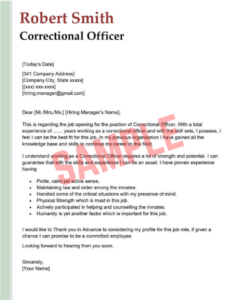
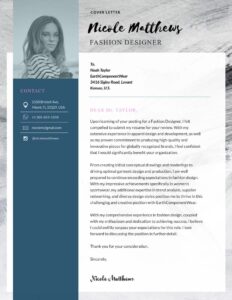
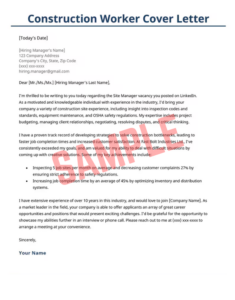
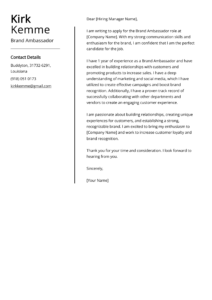
A good cover letter follows a logical flow, guiding the reader effortlessly through your narrative. Begin with a powerful opening that immediately grabs attention, stating the position you’re applying for and expressing your genuine enthusiasm. The body paragraphs are where you connect your skills and experiences directly to the job requirements, using concrete examples from your portfolio where possible. Don’t just tell them you’re proficient in Adobe Creative Suite; explain how you used Illustrator on a specific project to achieve a client’s complex branding vision. Remember, your cover letter template for graphic designer should provide a framework, but the content must be uniquely yours.
Consider including these essential elements in your cover letter:
- Your Contact Information: At the top, clear and professional.
- Date: Standard professional practice.
- Employer Contact Information: If known, personalize the address.
- Salutation: Address the hiring manager by name if possible.
- Opening Paragraph: State the position and express enthusiasm, mention how you found the opening.
- Body Paragraphs: Highlight 2-3 key skills or experiences, provide specific examples, and connect them to the job description and company.
- Call to Action: Reiterate your interest, mention your portfolio, and express eagerness for an interview.
- Professional Closing: Such as “Sincerely” or “Best regards.”
- Your Typed Name: Followed by your signature if sending a hard copy.
Finally, end your cover letter with a strong, confident closing. Reiterate your enthusiasm for the position and the company, and include a clear call to action – inviting them to review your portfolio and schedule an interview. Thank them for their time and consideration. A memorable closing paragraph ensures your application leaves a lasting positive impression, signaling your professionalism and eagerness to take the next step. Always remember to proofread meticulously before sending it off; a flawless letter speaks volumes about your attention to detail.
Crafting a compelling cover letter is a pivotal step in landing your dream graphic design role. It’s an art form in itself, requiring thought, strategy, and a touch of your unique creative spark. By investing time in personalizing and perfecting this document, you’re not just applying for a job; you’re making a powerful statement about your dedication, your skills, and your potential to contribute significantly to their team.
So go ahead, let your passion for design shine through your words, just as it does through your visuals. A well-written cover letter, thoughtfully tailored to each opportunity, is your secret weapon, transforming applications into conversations and aspirations into achievements. Good luck on your journey to design success!