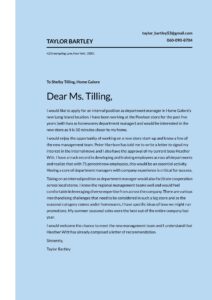
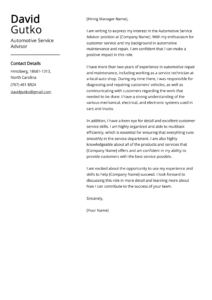
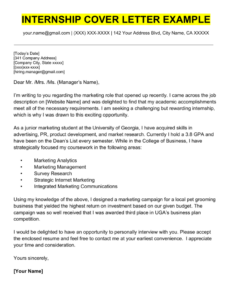
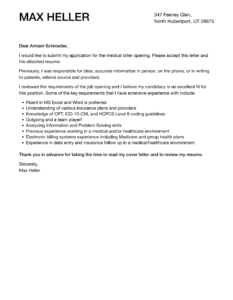
Finding a new role within your current organization can be a thrilling step toward professional growth, and having a solid internal vacancy cover letter template can make the whole process much smoother. While you might feel like your current manager or the hiring team already knows what you bring to the table, a formal application shows that you take the opportunity seriously. It provides a structured way to highlight how your history with the company makes you the best fit for this specific new challenge and helps you stand out among other qualified applicants.
Many employees make the mistake of assuming that because they have a good reputation, they can skip the formalities. However, an internal move is still a competitive process, and you might be up against external candidates who are bringing polished resumes and enthusiastic pitches. By putting in the effort to draft a thoughtful letter, you demonstrate that you are not just looking for any promotion but are specifically interested in how you can contribute more effectively to the company success over the long term.
The goal of this document is to bridge the gap between who you are now and who you will become in the new position. It serves as a narrative that connects your past achievements within the organization to the future needs of the department you wish to join. It is about proving that your existing knowledge of the company culture and workflows gives you a head start that no outside candidate could possibly match, making you a low risk and high reward choice for the hiring manager.
Making the Case for Your Internal Promotion
Transitioning to a new department or moving up the ladder requires a strategic approach to communication. You are essentially trying to sell a version of yourself that the hiring manager might not have seen yet. Even if they see you in the hallway every day, they might not realize you have been developing the specific skills required for this new vacancy. This is why it is so important to treat this application with the same level of care as if you were applying to a completely new company.
One of the biggest advantages you have as an internal candidate is your intimate knowledge of the company pain points and long term goals. Use your cover letter to mention specific projects or initiatives you have been a part of that align with the new role. You can speak the company language and use its specific terminology, which immediately builds rapport with the hiring team. This level of insight is something external hires simply cannot offer during the initial stages of the recruitment process.
Reliability is another huge factor that works in your favor during these transitions. Since you already have a track record within the building, the hiring manager can easily verify your work ethic and your ability to collaborate with others. In your letter, you should subtly remind them of your consistency and your dedication to the organization. This reduces the perceived risk for the manager because they are hiring a known quantity rather than a stranger who might not fit the group dynamic.
The Importance of Cultural Alignment
Every organization has its own unique culture and set of unwritten rules that dictate how work gets done. As someone who is already part of the team, you have likely mastered these nuances and understand what it takes to succeed in this specific environment. Highlighting your alignment with the company values in your application shows that you are not just looking for a paycheck but are invested in the collective mission. This is often the deciding factor when two candidates have similar technical skills.
It is also worth discussing your growth trajectory during your time at the firm. Reflect on how your responsibilities have expanded since you first started and how that evolution has prepared you for this specific step. Showing a pattern of continuous improvement and a willingness to take on more responsibility speaks volumes about your potential for future leadership within the company. Managers love to see that their employees are eager to learn and grow without having to be prompted.
Finally, keep in mind that professionalism remains paramount throughout this entire process. Even if the person reading your letter is a work friend or a close colleague, the document will likely be filed in human resources and seen by senior executives who may not know you personally. Maintaining a tone that is respectful and focused on business outcomes will ensure that you are viewed as a serious professional ready for the next level of your career journey rather than someone just looking for a change of scenery.
Maximizing the Value of Your Internal Vacancy Cover Letter Template
When you start working with an internal vacancy cover letter template, the key is to avoid making it sound generic or robotic. A template should serve as a skeletal structure that helps you organize your thoughts, but the meat of the content must be deeply personal and specific to your journey. You should take the time to swap out standard phrases for anecdotes that prove your impact on the company. For example, instead of saying you are a hard worker, mention a specific deadline you met that saved a major client account or improved a departmental workflow.
Structure your letter so that it follows a logical flow from your current state to your future goals within the firm. Start by stating exactly which position you are interested in and how long you have been with the company to establish your tenure. Then, move into your top two or three achievements that are most relevant to the new role you are seeking. End with a forward looking statement about how you plan to contribute to the new department success in the first few months by applying your existing knowledge of the systems.
Before you hit the submit button on your application, it is wise to consider who you should talk to internally to gather more information. Sometimes, having a brief conversation with the hiring manager or a mentor can provide insights into what the team is looking for that you can then weave into your letter. This extra step shows initiative and ensures that your written application addresses the actual needs of the department rather than just the requirements listed on the job posting. Include these items in your draft to ensure you cover all the bases.
Taking the next step in your career within your current organization is a rewarding experience that validates all the hard work you have put in so far. By using a formal approach and documenting your qualifications clearly, you set yourself up for a successful transition into a new role. It shows that you are proactive about your professional development and that you value the relationships you have built within the company over the months or years of your employment.
Remember that the application process is just the beginning of this new chapter in your professional life. Even if the outcome is not what you initially hoped for, the effort you put into your cover letter will not go unnoticed by management. It marks you as an ambitious employee who is ready for more, which can often lead to other unexpected opportunities down the road. Stay focused on your goals and continue to deliver excellence in everything you do as you move forward.