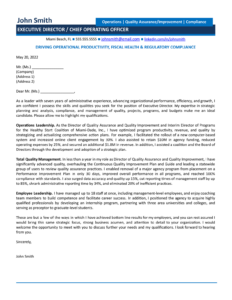
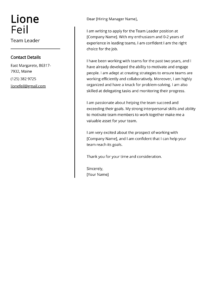
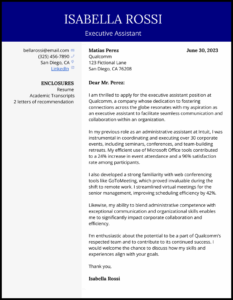
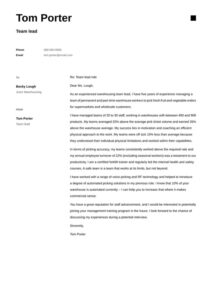
Stepping into a high level leadership role requires more than just a polished resume that lists your past successes. You need a narrative that explains how your unique management style will drive growth and foster a positive culture in a new organization. If you are feeling stuck on how to present your professional journey, using a general manager cover letter template can provide the necessary structure to get your thoughts organized. It serves as a reliable starting point to ensure you hit all the critical notes without missing essential details.
Writing a cover letter for an executive position can feel intimidating because you want to sound authoritative yet approachable. The goal is to bridge the gap between your previous experience and the specific challenges of the company you are applying to. By following a proven format, you can maintain a professional tone while highlighting your strategic vision and operational expertise. Whether you are a seasoned veteran or moving into your first major GM role, the right approach will help you stand out to hiring managers and recruiters alike.
How to Customize Your Executive Presentation
The secret to a successful application lies in customization rather than simply copying text. A general manager cover letter template should be viewed as a scaffold rather than a final draft. You must inject your own personality and specific achievements into the gaps to show that you have researched the company thoroughly. Start by addressing the pain points mentioned in the job description, such as streamlining operations or scaling a new department, and connect those to your past accomplishments.
Once you have chosen your template, focus on the opening hook. Instead of a generic statement, try to start with a high level summary of a major project where you delivered measurable results. This immediately establishes your credibility and demonstrates that you understand what it takes to produce bottom line outcomes. Remember to keep the focus on how your leadership will benefit their specific business needs rather than just listing what you have done in the past.
Organization is key when writing for an executive level audience. You should use clear paragraphs that flow logically from your initial interest to your specific skill sets. Consider utilizing a list to break up dense blocks of text so that a recruiter can scan your strengths quickly. Some essential elements to highlight include:
- Strategic planning and business development experience.
- Leadership and team building capabilities in fast paced environments.
- Financial management and budget oversight success.
- Process improvement initiatives that increased efficiency or revenue.
Finally, always conclude by expressing your enthusiasm for the specific culture of the firm. Executive roles are often about finding the right fit for the company mission, so make sure your tone aligns with their brand identity. Whether the business is a corporate giant or an agile startup, your language should mirror the level of formality and vision they uphold. By blending a solid structure with genuine insight, you create a powerful document that commands attention.
Refining Your Approach for Maximum Impact
After you have drafted your content, take a moment to step back and read it aloud to check for flow and clarity. A common mistake many managers make is using overly complex jargon that hides their true contributions. You want to sound like a capable leader, not a walking textbook. Keep your sentences concise and ensure that each paragraph has a specific purpose, such as detailing your approach to crisis management or your philosophy on employee retention.
Proofreading is even more critical at the general manager level than in other roles. Because you are expected to oversee operations and maintain high standards, a cover letter riddled with typos or formatting inconsistencies reflects poorly on your attention to detail. Double check the company name, the hiring manager’s title, and any specific figures you cited to ensure everything is perfect. A clean, error free document signals to the recruiter that you are organized and professional.
Lastly, do not forget to include a strong call to action at the end. You want to invite the conversation and show that you are eager to discuss how your leadership style aligns with their goals. A simple, polite request for an interview or a further conversation about the potential for collaboration is usually the best route. By being direct and confident, you set the stage for a positive interaction, proving that you have the executive presence required to lead their team to success.
Landing the right role comes down to how effectively you can tell your story in a crowded market. When you take the time to tailor your message and ensure that your professional narrative is both compelling and clear, you significantly increase your chances of securing an interview. Trust your experience and let your confidence shine through every word you choose to write.
Remember that your application is your first chance to lead. If you approach the process with intention, strategy, and a commitment to quality, you will naturally distinguish yourself from other candidates. Good luck with your search and keep pushing forward with the same dedication that has driven your career this far.