Starting a job search feels like a full-time job in itself. You spend hours scouring boards and finally find that perfect role, only to realize the job description does not list a contact person. This is exactly where a to whom it may concern cover letter template comes in handy to help you bridge the gap between being a total stranger and a professional candidate. It acts as a reliable fallback when you want to maintain a high level of professionalism without making a wild guess about who is reading your application.
Many people worry that using a generic greeting might make their application look lazy. However, it is often much better than using something overly informal or getting the recipient’s name completely wrong. When you are applying to a large corporation where the hiring process is managed by a committee or an automated system, a formal opening serves as a safe harbor. It signals that you respect the formal nature of the hiring process and are comfortable with business etiquette.
Choosing to use this specific template does not mean your letter has to be boring. In fact, the structure around that greeting is what really carries the weight of your professional story. It provides a clean canvas for you to paint a picture of your skills, achievements, and why you are the best fit for the team. Let us look at how you can take this classic approach and make it work for your modern career goals without losing the personal touch that recruiters love to see.
Making the Most of Your Professional Outreach
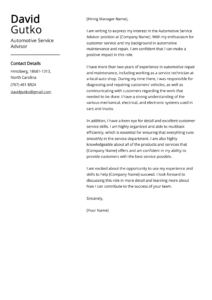
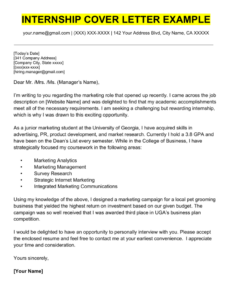
Even if you are using a to whom it may concern cover letter template, the rest of your document should be as specific as possible. The greeting is just the doorway, but the content inside is the house you are inviting the recruiter to explore. You want to ensure that every sentence serves a purpose and highlights why your unique background aligns with the company’s current needs. A generic greeting does not excuse a generic letter, so personalization within the body paragraphs is your primary objective.
One common mistake is keeping the entire letter as generic as the greeting. You should aim to research the company culture and the specific requirements of the role. If the company is a fast-paced startup, your tone might be a bit more energetic and forward-leaning. If it is a law firm or a government agency, sticking to a very traditional and polished tone is usually the best path forward. Understanding the environment helps you tailor the language so it resonates with the reader, even if you do not know their name.
Structuring the Body of the Letter
Start with a strong opening paragraph that identifies the role you are applying for and why you are interested in it. This is your chance to show that you have not just sent out a hundred identical letters. Mention a recent achievement of the company or a specific project they worked on that caught your eye. This shows initiative and genuine interest that goes beyond just wanting a paycheck, which immediately makes you a more attractive candidate.
The middle paragraphs are where you should connect your past experiences with the job description. Instead of just listing your duties from your previous job, talk about the results you achieved. Use numbers and data whenever possible to give the reader a clear sense of your impact. For example, rather than saying you managed a team, you could say you led a team of ten people to increase sales by twenty percent over a single year. These details provide proof of your capabilities and make your claims much more credible.
Transitioning into the closing of the letter requires a balance of confidence and humility. You want to thank the reader for their time and express your enthusiasm for a potential interview. Remind them of how they can reach you, even if that information is already in your header. It makes it easier for a busy recruiter to take the next step without having to flip back through pages or scroll up on their screen to find your phone number or email address.
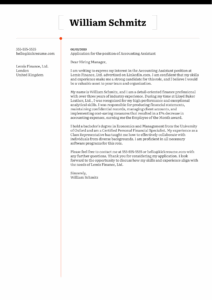
Finally, ensure that your formatting is consistent throughout the entire document. Use a professional font like Arial or Calibri and keep the margins standard. A messy layout can distract from even the most impressive resume. When the visual presentation is clean and organized, it reinforces the professional message you are trying to send with your traditional greeting. Consistency shows attention to detail, which is a trait valued in almost every industry across the globe.
Understanding When This Approach Is Best
There is a lot of debate in the career coaching world about whether certain greetings are outdated. While it is true that finding a specific name is always the gold standard, there are many legitimate reasons why you might not be able to find one. Some companies intentionally keep their hiring managers anonymous to prevent direct solicitation or to ensure a fair and unbiased initial screening process. In these cases, reaching out to a generic title is the most respectful thing you can do.
In these scenarios, using a professional template allows you to bypass the stress of searching for a name that might not even be available. It is a tool for efficiency. By having a solid template ready to go, you can focus more of your energy on tailoring the specific accomplishments that will actually get you hired. Here are a few instances where this format is particularly useful during your job search journey:
- Applying to large organizations with multiple human resources departments
- Submitting a blind application to a recruitment agency
- Applying for a role where the department head is not publicly listed
- Sending a letter of inquiry to a company that is not currently hiring
Ultimately, the goal of any cover letter is to land an interview. If a recruiter sees a well-written, error-free letter that follows a standard professional format, they are unlikely to penalize you for using a standard greeting. They are looking for talent and a good cultural fit above all else. As long as the substance of your letter is high quality, the formal opening will be seen as exactly what it is: a polite and professional way to address an unknown audience without making assumptions.
Taking the time to craft a thoughtful narrative about your career is a significant investment in your future. While the mechanics of the greeting are important, the passion and expertise you convey in the following paragraphs are what will truly set you apart from the competition. Every job application is a new opportunity to refine your message and present the best version of your professional self to the world, showing that you are ready for the challenges ahead.
Keep your eyes on the goal and remember that the tools you use are meant to support your journey. By using a structured approach and focusing on clear communication, you give yourself the best possible chance of success. Soon enough, those formal greetings will turn into face-to-face conversations and, eventually, a brand new role in your chosen field where you can truly shine and make an impact with your unique skills.