Finding a job in the heavy-duty world of engines and machinery requires more than just knowing your way around a torque wrench. When you are looking for a new role in a shop or out in the field, you need a professional way to introduce yourself to hiring managers. Using a diesel mechanic cover letter template can be the secret weapon that helps you bridge the gap between having the right technical skills and actually landing the interview. It allows you to organize your thoughts and present your mechanical expertise in a way that makes sense to recruiters who might be looking at dozens of applications every single day.
The diesel industry is incredibly competitive, and shops are always on the lookout for technicians who are not only skilled but also reliable and communicative. It is one thing to be able to tear down an engine and put it back together, but it is another thing entirely to show a potential employer that you understand the business side of maintenance and repair. Your cover letter is the first real conversation you have with a boss, and it sets the tone for how they perceive your professionalism. If your letter is messy or missing key details, they might assume your work on their expensive fleet will be just as disorganized.
Writing about yourself can feel a bit awkward, especially if you prefer working with your hands rather than sitting at a computer. However, taking the time to craft a narrative about your career path can really pay off. Whether you are a seasoned veteran with decades of experience on Cummins and Cat engines or a recent trade school graduate looking for your first apprentice role, a well-structured letter shows that you take your career seriously. It gives you the space to explain things that a standard resume simply cannot, such as your passion for troubleshooting complex hydraulic systems or your commitment to shop safety protocols.
The Importance of Showing Your Technical Value
When you start writing, you want to focus on the specific value you bring to a garage or a fleet maintenance team. It is not enough to just say you are a mechanic. You need to highlight the specific types of equipment you have mastered over the years. If you have spent five years working on Class 8 trucks, make that the center of your story. If your expertise lies in agricultural machinery or construction equipment like excavators and dozers, emphasize that instead. Employers want to know that you can hit the ground running without needing a massive amount of hand-holding during your first week on the job.
Diagnostic skills are another massive selling point in today’s market. Since modern diesel engines are essentially giant computers on wheels, being proficient with electronic diagnostic software is just as important as knowing how to use a set of sockets. Mentioning that you are comfortable with various OEM software packages will immediately put you ahead of candidates who only focus on the mechanical side. It shows that you are keeping up with industry trends and that you are prepared to handle the high-tech challenges of the latest emissions systems and engine control modules.
Safety is a huge priority in any shop environment. Mentioning your commitment to maintaining a clean work area and following OSHA guidelines can go a long way in building trust. A hiring manager wants to know that you are not going to be a liability and that you value the well-being of your teammates. Discussing your track record of accident-free work or your involvement in safety committees can demonstrate that you are a mature and responsible professional who understands the risks involved in working with heavy components and pressurized systems.
Highlighting Certifications and Specialized Training
If you have spent time earning ASE certifications or completing manufacturer-specific training programs, these need to be front and center. These credentials act as a shortcut for employers to verify your skill level. Instead of just saying you know how to fix brakes, mentioning an ASE T4 certification proves you have met a national standard for air brake systems. This kind of detail adds a layer of credibility that is hard to ignore and shows that you are dedicated to continuous improvement in your craft.
Soft skills are often overlooked in the trades, but they are incredibly important for career growth. Being able to explain a complex mechanical failure to a service writer or a customer in plain English is a rare and valuable trait. If you have experience leading a team or mentoring younger technicians, include that as well. It shows that you are a leader and someone who can help improve the overall productivity and morale of the shop. A good diesel mechanic cover letter template should always leave room for these interpersonal strengths.
Lastly, do not forget to mention your own tools if that is a requirement for the position. Most shops expect lead mechanics to have their own well-stocked roll cab, and confirming that you are fully equipped shows that you are ready to start immediately. It also speaks to your investment in your career. When you combine your technical certifications, your diagnostic ability, and your professional attitude, you present a complete package that any shop owner would be lucky to have on their payroll.
How to Customize Your Application for Different Shops
One mistake many job seekers make is sending the exact same letter to every single job posting. While having a diesel mechanic cover letter template saves you a lot of time, you should still take a few minutes to tweak it for each specific role. If a company mentions they specialize in refrigerated trailers, make sure to highlight any experience you have with Thermo King or Carrier units. If they are a municipal fleet, focus on your experience with preventative maintenance schedules and long-term vehicle longevity. This small effort shows the hiring manager that you actually read their ad and are genuinely interested in their specific needs.
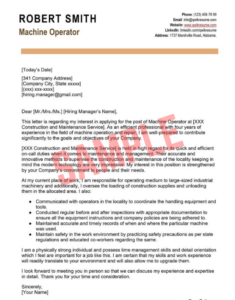
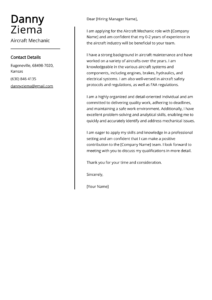
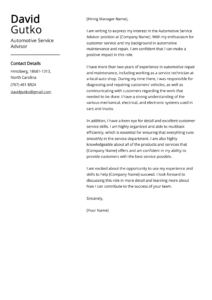
The layout of your letter should be clean and easy to read. Use a standard professional font and make sure there is plenty of white space so the reader does not feel overwhelmed. Start with a clear header containing your contact information, followed by a professional greeting. The body of the letter should be divided into clear sections: an introduction that grabs their attention, a middle section that proves your technical competence, and a closing that invites them to reach out for an interview. This structure ensures that your most important selling points are easy to find at a quick glance.
Closing your letter with a strong call to action is the best way to wrap things up. Instead of just saying you hope to hear from them, tell them that you are looking forward to discussing how your specific skills can help their team reduce downtime and improve fleet reliability. This proactive approach shows confidence and a goal-oriented mindset. Always double-check your spelling and grammar before sending it off, as even the best mechanical skills can be overshadowed by a letter full of typos and errors.
- Full name and updated contact information
- Specific engine and equipment brands you have worked on
- Relevant ASE or manufacturer certifications
- Experience with diagnostic software and electronics
- A brief mention of your own tool inventory
- Availability for an interview or shop walk-through
Landing a great job in the diesel industry is about more than just what you can do under the hood. It is about presenting yourself as a complete professional who understands the importance of reliability, safety, and technical precision. By taking the time to organize your experience and highlight your unique strengths, you make it much easier for a hiring manager to see you as the right fit for their team. A solid first impression can be the difference between your application getting tossed in the pile or getting a phone call the very next day.
Remember that the heavy-duty world relies on people who can solve problems and keep things moving. Your cover letter is your chance to prove that you are one of those people. Once you have a solid foundation, you can quickly adapt your message for any role that comes your way, from field service technician to shop foreman. Keep your focus on the value you provide and the problems you can solve for the employer, and you will find that the right opportunities start opening up for you much faster than you expected.