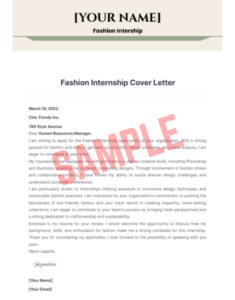
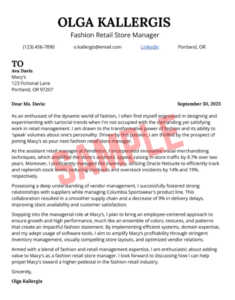
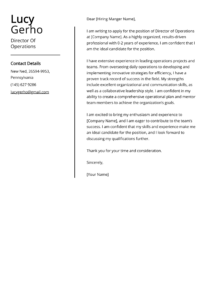
Finding your dream role in the fashion industry often feels like trying to find a rare vintage designer piece in a mountain of thrift store clothes. You know it is there, but you have to dig deep and present yourself perfectly to snag it before someone else does. One of the most effective ways to streamline this process and ensure you get noticed is by using a professional fashion designer cover letter template that allows you to showcase your unique voice while maintaining a polished and professional structure. This document is essentially your first pitch to a creative director or a hiring manager, proving that you do not just have a great eye for style, but also the professional background and communication skills to back it up in a fast paced studio environment.
Many designers make the mistake of thinking their portfolio does all the heavy lifting during the application process. While your sketches, mood boards, and technical packs are vital, the cover letter provides the narrative context those visuals often lack. It tells the story of how you solve design problems, how you collaborate with a production team to meet tight deadlines, and why your specific aesthetic is the perfect match for that particular fashion house or commercial brand. Think of it as the liner notes to your greatest hits collection, giving the reader a reason to care about the person behind the beautiful drawings.
Writing this document does not have to be a daunting task that keeps you away from your sewing machine or digital tablet for hours on end. By understanding the core components of a successful application, you can craft a narrative that resonates with industry leaders and shows them you understand their brand DNA. We are going to dive into how you can personalize your approach to stand out in a sea of applicants who are all vying for the same limited spots on the design team. With the right strategy, you can transform a standard introduction into a compelling argument for why you are the missing piece in their creative puzzle.
Drafting a Narrative That Fits Like a Tailored Suit
The first step in creating a compelling cover letter is establishing a strong professional header and greeting. Even though the fashion world can be avant garde and rebellious, the hiring process still respects traditional professional courtesy. Ensure your contact information is clear and matches the styling of your resume and portfolio to create a cohesive personal brand. When you address the hiring manager, try to find a specific name if possible. Addressing a letter to a specific creative director or lead designer shows that you have done your homework and are genuinely interested in their specific team rather than just blasting out applications to every open listing you find on the internet.
Once you have the formalities out of the way, your opening paragraph needs to be a high energy hook. State clearly which position you are applying for and why you are excited about this specific brand. Do not just say you love fashion; everyone applying for the job loves fashion. Instead, mention a recent collection they released that inspired you or talk about their commitment to specific movements like sustainable textiles or inclusive sizing. This immediate connection shows that you are already thinking like a member of their team and that your personal values align with the corporate or creative mission of the house.
Connecting Your Design Philosophy to the Brand
The middle section of your letter is where you bridge the gap between your past experiences and the future needs of the company. It is not enough to simply list your previous jobs, as that is what your resume is for. Instead, focus on specific achievements and how they relate to the role at hand. If the brand is known for intricate drapery and you spent three years mastering silk manipulation at a couture house, highlight that specific overlap. Use descriptive language to paint a picture of your workflow, mentioning how you take a concept from a rough thumbnail sketch to a fully realized garment that is ready for the runway or the retail floor.
Researching the brand is a non negotiable part of this process. If you are applying to a fast fashion giant, focus on your ability to work quickly, manage high volume tech packs, and stay ahead of rapidly changing trends. If you are applying to a luxury heritage brand, emphasize your attention to detail, knowledge of garment construction, and respect for the history of the house. By tailoring your language to match the tone of the brand, you demonstrate that you possess the cultural fit that many creative directors value just as much as technical ability.
Demonstrating Technical Proficiency Beyond the Sketchbook
Modern fashion design requires a blend of old school artistry and new age technology. In your cover letter, make sure to mention your proficiency with industry standard tools. Whether you are a wizard with the Adobe Creative Suite, a pro at using 3D rendering software like CLO 3D, or an expert at managing product lifecycle management systems, these technical details are crucial. Mentioning these skills helps the hiring manager visualize how easily you will integrate into their existing digital workflow, reducing the amount of training you might need upon arrival.
Finally, do not forget to mention the soft skills that make a design room function smoothly. Fashion is a collaborative sport that involves constant communication with pattern makers, sourcing agents, and marketing teams. Briefly touch upon your experience in presenting your ideas to stakeholders or your ability to take constructive criticism during the sampling phase. Showing that you are a resilient and adaptable professional will make you a much more attractive candidate than someone who only focuses on their own individual creative vision without considering the business side of the industry.
Fine Tuning the Details of Your Submission
When you are working with a fashion designer cover letter template, remember that the structure is only the skeleton; your personality is the muscle and skin that makes it come alive. It is vital to maintain a tone that is confident but not arrogant. You want to sound like a seasoned professional who is ready to contribute from day one, but also like someone who is eager to learn and grow within the specific environment of the brand. Read your draft out loud to ensure it flows naturally and sounds like a human wrote it rather than a robot. If a sentence feels clunky or overly formal, do not be afraid to cut it or rewrite it in a more conversational way.
To ensure your application is as strong as possible, consider following this checklist before you hit the send button:
The visual layout of your letter also matters significantly in a creative field. While you should keep the text legible and professional, you can add small design elements that reflect your aesthetic, such as a custom border or a specific color palette that matches your portfolio. However, be careful not to let the design distract from the content. The goal is to prove you have a sense of balance and hierarchy, which are core principles of design that apply just as much to typography as they do to a seasonal collection.
Closing your letter with a strong call to action is the best way to wrap things up. Express your enthusiasm for an interview and mention that you are looking forward to discussing how your specific skills can help the brand achieve its upcoming goals. This proactive approach shows that you are serious about the opportunity and ready to take the next step in the professional relationship. A simple and professional sign off followed by your name is all you need to finish the document on a high note.
Taking the time to refine your application materials is the best investment you can make in your design career. While it might feel like extra work on top of your creative projects, a well crafted narrative bridges the gap between being a talented artist and being a hirable professional. Your unique story, combined with your technical expertise, is what will eventually land you the role where you can truly express your creativity. Stay true to your aesthetic while following the professional standards of the industry, and you will find that doors begin to open much more easily.
Remember that every designer started exactly where you are, looking for a way to break into a competitive field. Use the tools available to you to make the process smoother, but never lose the personal touch that makes your work special. The fashion world is always looking for the next fresh perspective, and with a polished presentation, that next perspective could very well be yours. Keep pushing your creative boundaries and refining your professional presence, and soon enough, you will be the one reviewing applications for your own design team.