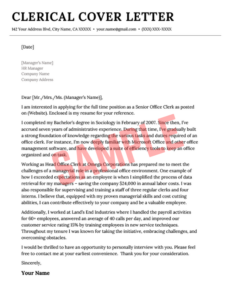
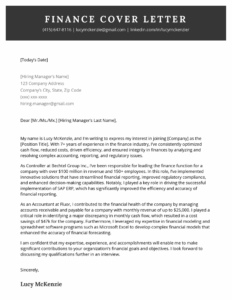
Searching for a new job in the finance world can often feel like a full-time job in itself. You spend hours tweaking your resume and searching through job boards, but the real challenge often lies in writing that perfect introduction to a hiring manager. If you are currently staring at a blank document, using an accounting clerk cover letter template can be the best way to jumpstart your creativity and ensure you include all the essential details that recruiters are looking for today. A good template acts as a roadmap, guiding you through the process of highlighting your skills while maintaining a professional and approachable tone.
The role of an accounting clerk is one that requires an immense amount of trust and a high level of organization. Employers want to know that you are not just good with numbers, but that you are also dependable and capable of handling sensitive financial data with the utmost care. Your cover letter is the first opportunity you have to demonstrate these qualities. It is your chance to move beyond the dry facts listed on your resume and show some personality, explaining why you are passionate about maintaining accurate ledgers and helping a business stay financially healthy.
When you sit down to write, it is important to remember that the person reading your letter is likely very busy. They might be looking at dozens of applications for a single position. This is why a clear structure and a conversational yet professional voice are so important. By following a proven framework, you can make sure your most important qualifications jump off the page and grab their attention immediately. Let’s dive into how you can build a document that helps you stand out from the crowd and lands you that interview.
Building a Strong Foundation for Your Application
Every great cover letter starts with a strong opening that sets the stage for the rest of the conversation. You want to state clearly which position you are applying for and why you are interested in this specific company. Instead of a generic opening, try to mention something specific about the organization that caught your eye. Maybe they have a great reputation for innovation, or perhaps you have always admired their commitment to community service. This shows that you have done your homework and are genuinely interested in being part of their team.
Once you have established your interest, it is time to transition into your core qualifications. This is where you connect the dots between your past experiences and the requirements of the job description. If the company is looking for someone who can manage accounts payable and receivable, talk about a time when you streamlined those processes at a previous job. Use real examples to illustrate your points rather than just listing your duties. This makes your achievements feel more tangible and impressive to the reader.
Highlighting Technical Skills and Software Proficiency
In the modern accounting world, your technical skills are just as important as your understanding of debits and credits. Most offices rely heavily on specific software like QuickBooks, Microsoft Excel, or enterprise resource planning systems. In this section of your letter, you should mention your familiarity with these tools. Don’t just say you know how to use them; describe how you have used them to solve problems or improve efficiency. For example, mention a complex spreadsheet you built that automated a monthly reporting task.
Accuracy is the cornerstone of any accounting role. You should use your cover letter to emphasize your meticulous attention to detail. Talk about your process for double-checking work and how you handle discrepancies when they arise. Employers need to feel confident that if they hire you, they won’t have to worry about simple data entry errors or missed deadlines. Showing that you have a system for maintaining accuracy goes a long way in building that necessary trust.
The Importance of Soft Skills and Teamwork
While technical skills are vital, the way you interact with others is equally important. Accounting clerks often have to communicate with different departments to resolve billing issues or gather information for reports. Highlighting your communication skills can set you apart from candidates who only focus on the numbers. Mention your ability to explain complex financial information to non-financial colleagues in a way that is easy to understand and follow.
Problem-solving is another key trait that hiring managers look for in an accounting clerk. Sometimes the numbers don’t add up, and it takes a bit of detective work to find out why. Sharing a brief story about a time you identified a financial error or found a way to save the company money through better record-keeping shows that you are a proactive employee. It demonstrates that you don’t just follow instructions, but you also think critically about the work you are doing every day.
How to Customize Your Accounting Clerk Cover Letter Template
Once you have a general accounting clerk cover letter template ready to go, the real work begins with customization. You should never send the exact same letter to two different companies. Even if the job titles are identical, every company has a different culture and different pain points they are trying to solve by hiring someone new. Read the job posting carefully and pick out the keywords and phrases they use most often. Incorporating these into your letter shows that you are a perfect match for their specific needs.
Think about the tone of the company as well. If you are applying to a trendy tech startup, you might want to use a slightly more informal and energetic tone. On the other hand, if you are applying to a long-established law firm or a traditional bank, a more formal and reserved approach might be appropriate. Matching your writing style to the company’s brand shows that you would be a good cultural fit, which is often just as important to employers as your technical abilities.
- Ensure your contact information is up to date and professional.
- Address the hiring manager by name if it is available in the job posting.
- Quantify your achievements with numbers and percentages whenever possible.
- Double-check for any spelling or grammatical errors before hitting send.
- Keep the formatting clean and easy to read on both screens and paper.
Finally, don’t forget the call to action at the end of your letter. Politely express your desire to meet for an interview and discuss how you can contribute to the success of their accounting department. Thank them for their time and consideration, and let them know the best way to reach you. This professional closing leaves a positive final impression and shows that you are eager to move forward in the hiring process.
Taking the time to craft a thoughtful and personalized cover letter is one of the best investments you can make in your career. It shows potential employers that you are a professional who takes their work seriously and possesses the communication skills necessary to thrive in an office environment. While it might take a little extra effort compared to just sending out a resume, the results are well worth it when you start receiving those interview invitations.
Remember that the job search is a journey, and every application you send out is a chance to refine your approach. Stay positive and keep focused on the value you bring to a team. With a solid template and a commitment to showcasing your unique strengths, you will be well on your way to securing a rewarding position as an accounting clerk. Good luck with your application and your future career in the financial field.