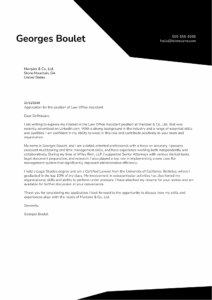
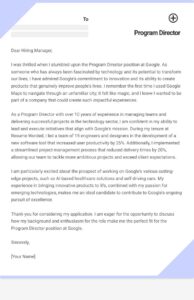
Hunting for a job can feel like a full-time job in itself, especially when you are staring at a blank screen trying to figure out how to stand out. If you have been searching for a more effective way to grab a hiring manager’s attention, you might have stumbled upon the t format cover letter template during your research. It is a unique approach that moves away from the traditional wall of text and instead focuses on showing exactly how you meet the needs of the employer. It is a refreshing change of pace for recruiters who have to scan dozens of applications every single hour.
This specific format is essentially a side-by-side comparison of what the job description asks for and what you bring to the table. Imagine a letter where the top and bottom look normal, but the middle contains a clean table or two columns. On the left side, you list the company’s requirements, and on the right side, you provide evidence of your skills. It takes the guesswork out of the hiring process by doing the heavy lifting for the person reading your application.
Why settle for a generic letter when you can provide a direct map of your qualifications? Most people stick to the standard three or four paragraphs because that is what they were taught in school. However, modern hiring is fast-paced and data-driven. Using a more structured layout allows you to be concise while still being incredibly thorough, ensuring that your most important achievements do not get lost in a sea of adjectives.
Breaking Down the Magic of This Layout
The beauty of this approach is its simplicity and the way it respects the recruiter’s time. Think about the last time you read a long article; you likely scanned for the most relevant bits rather than reading every single word. Hiring managers do the same thing. By using a t format cover letter template, you are essentially highlighting the most important parts of your professional history and placing them right where they can be seen immediately. It creates a visual bridge between the job posting and your resume.
Starting with a Strong Foundation
Every good letter starts with the basics, and this one is no different. You still need a professional header with your contact information, the date, and the recipient’s details. After that, you need a compelling opening paragraph. This is where you mention the specific role you are applying for and express your genuine enthusiasm for the company. You want to set a positive tone before you dive into the technical details of your experience.
The opening should be brief. You do not want to give away all your best stories here because the middle section is where you will do the real selling. Think of the introduction as a movie trailer that builds excitement for the main event. Once you have established who you are and why you are writing, you can transition into the comparison section that makes this layout so famous.
Crafting the Comparison Columns
This is where the magic happens. You will create two columns, often labeled something like Your Requirements and My Qualifications. On the left, you pull specific phrases or skills directly from the job advertisement. If they want someone with five years of project management experience, you put that right there. This shows that you have actually read the job description and understand what they are looking for in a candidate.
On the right side, you provide a concise response to that requirement. Instead of just saying you have the skill, try to provide a quick metric or a specific example of when you used it. If the requirement is project management, your response might mention a specific project where you saved the company money or finished ahead of schedule. This side-by-side view makes it impossible for a recruiter to miss the fact that you are a perfect match.
Wrapping up the middle section requires a bit of finesse. You do not need to list every single requirement from the job post, as that would make the letter too long. Pick the top four or five most critical skills. This keeps the document balanced and ensures the visual layout remains clean and easy to read. You want plenty of white space so the text does not feel overwhelming to the eye.
When to Choose This Structure Over Others
You might be wondering if this style is appropriate for every single job application. While it is highly effective, it shines brightest in specific scenarios. For instance, if you are making a career pivot or moving into a slightly different industry, this layout helps you translate your past experience into the new context. It allows you to explain exactly how your transferable skills meet the specific needs of the new role without the reader having to connect the dots themselves.
It is also a fantastic choice for technical roles or positions that require a very specific set of certifications and skills. In fields like engineering, IT, or healthcare, where checklists are common, providing a clear match for those checklists can get you through the initial screening phase much faster. It demonstrates a level of organization and directness that is highly valued in professional environments.
There are several key advantages to choosing this path for your next application:
Moving forward with your application using this style can give you a significant psychological boost. When you see your skills lined up directly against what a company wants, it reinforces your own belief that you are the right person for the job. That confidence often carries over into the interview phase. Instead of worrying about whether you explained yourself well enough in your letter, you can rest easy knowing you provided a clear and undeniable case for your candidacy.
Remember that the goal of any application is to start a conversation. By being bold enough to try a different structure, you are showing that you are a problem solver who knows how to communicate effectively. Whether you are applying for a management position or an entry-level role, presenting your information in a way that is easy to digest is always a winning strategy. Give this layout a try on your next submission and see how much more engagement you get from potential employers.