So, you’re looking to land a teaching assistant position. That’s fantastic! It’s a rewarding role where you get to support students, work closely with faculty, and gain invaluable experience in an academic setting. A well-crafted cover letter is your golden ticket to standing out from the crowd, and we’re here to help you nail it with our comprehensive guide and a handy cover letter template for teaching assistant roles. Think of your cover letter not just as a formality, but as your first conversation with the hiring committee, showcasing your enthusiasm and suitability for the job.
Many applicants underestimate the power of a compelling cover letter, mistakenly believing their resume alone will do all the heavy lifting. While your resume is crucial for outlining your qualifications, your cover letter is where your personality shines through, where you can connect the dots between your experiences and the specific needs of the teaching assistant role. It’s your chance to tell a story that your bullet points simply can’t.
This article will walk you through the key elements of an effective teaching assistant cover letter, from understanding what institutions are looking for to structuring your message for maximum impact. We’ll share insights on how to tailor your application to each unique opportunity, ensuring you present yourself as the ideal candidate. Get ready to transform your application from good to absolutely unforgettable.
Unlocking Your Potential: What Makes a Standout Teaching Assistant Cover Letter?
When a hiring manager or professor is sifting through dozens of applications, they’re not just looking for someone with good grades. They’re searching for an individual who demonstrates genuine passion for education, strong communication skills, and a proactive attitude. Your cover letter is your prime opportunity to convey these qualities in a way that resonates directly with the specific requirements of the teaching assistant position you’re applying for. It’s about showing, not just telling, that you are the right fit.
A truly outstanding cover letter is always personalized. Generic letters are easily spotted and often disregarded. Take the time to research the course, the professor, and the institution. What are their specific values? What is the teaching style of the faculty member you’d be assisting? Weaving these details into your letter demonstrates genuine interest and a thoughtful approach, instantly setting you apart from candidates who send out mass applications.
Highlighting relevant skills is absolutely critical. Think beyond academic achievements. Are you an excellent communicator, capable of explaining complex topics clearly? Do you have strong organizational skills, essential for managing grading or lab sessions? Perhaps you have experience in peer tutoring or mentoring, which directly translates to supporting students. These soft skills are often just as important as your subject matter expertise.
The Essential Sections to Include
Every effective cover letter follows a logical flow, guiding the reader through your qualifications and enthusiasm. Starting with a strong introduction is key; it should clearly state the position you’re applying for and why you’re excited about it, ideally mentioning the course or department specifically.
The body paragraphs are where you elaborate on your experience and skills, directly linking them to the job description. For instance, if the role requires assisting with lab sessions, talk about your lab experience and your ability to guide others through experiments. Use specific examples where possible; instead of just saying “I have good communication skills,” describe a time you successfully helped a struggling student grasp a difficult concept.
Another body paragraph can focus on your understanding of the teaching assistant’s role in fostering a positive learning environment. Discuss your empathy for students, your patience, and your commitment to supporting their academic journey. This shows you grasp the nuance of the position beyond just grading papers.
Finally, your conclusion should gracefully reiterate your enthusiasm for the role and your confidence in your ability to contribute meaningfully. Always include a polite call to action, expressing your eagerness for an interview to discuss your application further. Remember, clarity and conciseness are your friends throughout the entire letter.
Putting It All Together: Your Go-To Cover Letter Template
Crafting a compelling cover letter doesn’t have to be daunting. Think of it as constructing a persuasive argument for why you’re the best candidate. While every letter should be unique, having a solid framework can provide an excellent starting point, ensuring you include all the necessary information while maintaining a professional and engaging tone. This structured approach helps organize your thoughts and ensures you don’t miss any crucial details.
The beauty of using a template isn’t about filling in blanks mindlessly, but rather understanding the purpose of each section and then personalizing it with your own voice and experiences. It allows you to focus on the content and impact of your message, rather than getting bogged down by formatting. Remember, your goal is to make a memorable impression that encourages the reader to learn more about you.
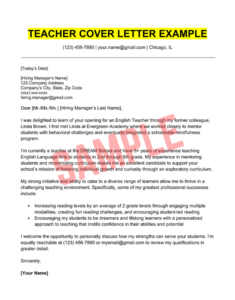
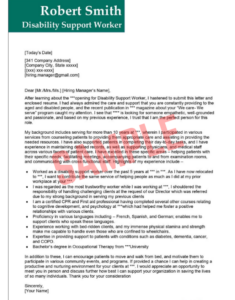
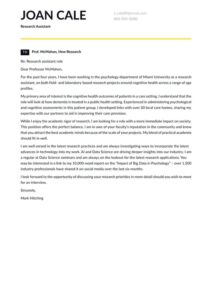
Here’s a breakdown of the essential components to include, which you can adapt to create your perfect letter:
* Your Contact Information (Name, Address, Phone, Email)
* Date
* Hiring Manager’s Contact Information (Name, Title, Department, University/Institution)
* Salutation (e.g., Dear Professor [Last Name])
* Opening Paragraph (State the position you’re applying for, where you saw the advertisement, and express your enthusiastic interest.)
* Body Paragraphs (Typically 2-3 paragraphs. Detail your relevant skills, experiences, academic achievements, and explain why you are a great fit for this specific TA role and course. Provide concrete examples.)
* Closing Paragraph (Reiterate your interest, express enthusiasm for an interview, and thank them for their time and consideration.)
* Professional Closing (e.g., Sincerely, Best regards)
* Your Typed Name
This flexible cover letter template for teaching assistant roles is designed to be a flexible starting point. After you’ve drafted your letter, always take the time to proofread it carefully for any grammatical errors or typos. Consider reading it aloud to catch awkward phrasing, and if possible, have a trusted friend or mentor review it. A polished letter reflects your attention to detail and professionalism, which are highly valued qualities in a teaching assistant.
Securing a teaching assistant position can be a truly enriching experience, offering deep insights into the academic world and the chance to contribute positively to student learning. Your cover letter is more than just an application document; it’s a strategic tool that allows you to articulate your passion, highlight your unique strengths, and demonstrate your potential to be an invaluable asset to any faculty member and their students. By taking the time to craft a thoughtful and personalized letter, you are investing in your own academic and professional journey.
The effort you put into perfecting this initial introduction will undoubtedly pay off, paving the way for exciting opportunities. A well-constructed cover letter doesn’t just open doors; it creates a lasting impression that showcases your dedication and readiness to embrace the challenges and rewards of a teaching assistant role. We wish you the very best in your applications, and hope you find immense satisfaction in supporting the next generation of learners.