Applying for part-time jobs can feel a bit daunting, especially when you’re competing with other eager candidates. You might think that a cover letter isn’t as crucial for a part-time position, but that’s a common misconception. In today’s competitive job market, a well-crafted cover letter is your chance to shine and tell a prospective employer why you’re the perfect fit, even before they look at your resume. That’s why having a solid cover letter template for part time job applications can be incredibly helpful.
Think of your cover letter as your personal introduction, a warm handshake that conveys your enthusiasm and highlights key aspects of your personality and skills that a resume alone can’t quite capture. It’s an opportunity to tell your story, explain your interest in the specific role, and show a glimpse of your work ethic and communication style.
This guide will walk you through creating an effective cover letter, providing you with the structure and tips you need to confidently apply for any part-time role that catches your eye. We’ll break down each section, ensuring you know exactly what to say to make a lasting impression.
Crafting a Standout Part-Time Cover Letter
Creating a cover letter for a part-time job doesn’t have to be complicated, but it does require thought and a touch of personality. The goal is to be concise, relevant, and enthusiastic, demonstrating that you understand the role and are genuinely interested in contributing to the team. A good cover letter acts as a bridge between your resume and the hiring manager’s expectations.
The Opening Hook: Making a Great First Impression
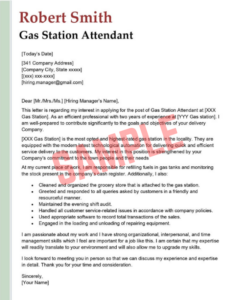
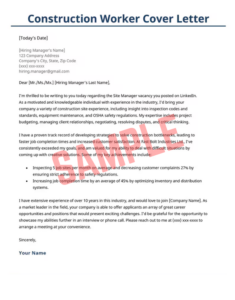
Your first paragraph is your chance to grab the reader’s attention. Clearly state which position you’re applying for, and briefly mention where you saw the job advertisement. Express your genuine interest in the role and the company right away. For instance, you could say something like, “I am writing to express my enthusiastic interest in the Part-Time Retail Associate position advertised on [Platform where you saw it, e.g., your website, LinkedIn].” This direct approach shows you’re serious and have done your homework.
Showcasing Your Skills and Suitability
This is where you connect your experiences, skills, and even your personality traits to the job description. Even if you don’t have extensive professional experience, think about transferable skills. Have you volunteered? Participated in school projects? Managed a household budget? These experiences often involve communication, organization, teamwork, and problem-solving – all valuable in a part-time role. Pick two or three key requirements from the job description and explain how your skills align with them.
For example, if the job requires customer service, you could talk about a time you helped someone resolve an issue, even if it was just a friend or family member. If it needs attention to detail, mention how you meticulously organized a school event. Don’t be afraid to think outside the box when considering your relevant experiences.
Expressing Enthusiasm and Fit
Beyond just listing skills, employers want to know *why* you want to work for *them* specifically and *why* this part-time role appeals to you. Do you admire their company culture? Are you passionate about their products or services? Perhaps the flexible hours fit perfectly with your current commitments, allowing you to give your best. Showing that you’ve researched the company and are excited about the opportunity will set you apart.
A statement like, “I am particularly drawn to [Company Name]’s commitment to [mention a company value or aspect you admire] and believe my [relevant skill] would be a strong asset to your team,” demonstrates genuine interest and foresight. This section is about showing you’re not just looking for any job, but specifically *this* job.
The Professional Closing
Your closing paragraph should reiterate your enthusiasm and include a call to action. Politely state your availability for an interview and express your eagerness to discuss how you can contribute to their team. Thank them for their time and consideration. Always end with a professional closing like “Sincerely” or “Best regards,” followed by your full name. This tidy finish ensures your letter leaves a positive, professional final impression.
Key Tips for Perfecting Your Part-Time Cover Letter
Once you have a general understanding of the structure, it’s all about refining your approach. A truly effective cover letter template for part time job applications isn’t just about filling in blanks; it’s about strategic customization. Remember, while a template provides a starting point, each application should feel unique and tailored.
Here are a few essential tips to make sure your cover letter stands out:
By applying these tips, you’ll ensure your cover letter is not only well-structured but also polished and impactful. It’s the small details that often make the biggest difference in conveying your professionalism and enthusiasm.
Crafting a compelling cover letter for a part-time position is an invaluable skill that can significantly boost your job search efforts. It’s more than just a formality; it’s a powerful tool to introduce yourself, highlight your strengths, and demonstrate your genuine interest in a role. By investing a little time and effort into your letter, you’re showcasing your dedication and attention to detail before you even step into an interview.
Remember, every application is an opportunity to make a positive impression. With a well-structured and thoughtful cover letter, you’re not just applying for a job; you’re presenting yourself as a valuable asset ready to contribute. Go forth, write with confidence, and good luck on your part-time job hunt!