Navigating the competitive landscape of online job applications can feel like a daunting task. You spend hours perfecting your resume, but often, the crucial step of crafting a compelling cover letter gets overlooked or rushed. This is where a well-designed cover letter template for online job application comes into play, serving as your strategic starting point to make a memorable first impression and truly connect with potential employers. It’s not just about what you’ve done; it’s about how you present it, and a great cover letter bridges that gap.
In today’s digital age, recruiters sift through hundreds, sometimes thousands, of applications for a single opening. A generic or poorly written cover letter can send your application straight to the discard pile, no matter how impressive your resume is. This introductory document is your chance to showcase your personality, passion, and specific fit for the role in a way a resume alone cannot.
Don’t let the pressure of writing from scratch hold you back. This article will walk you through the essential components of an effective cover letter, offering insights and a practical template to help you stand out. By customizing a solid framework, you can transform a necessary chore into a powerful tool that significantly boosts your chances of landing that dream interview.
Crafting a Winning Cover Letter: More Than Just a Form
Think of your cover letter not as a mere formality, but as a persuasive essay where you are the subject and the job is the goal. While a template provides structure, the true magic happens when you infuse it with your unique voice and specific relevance to the position you’re applying for. It’s your opportunity to tell a story that your resume can only hint at, connecting your skills and experiences directly to the needs of the employer.
Before you even begin writing, take the time to thoroughly research the company and the specific job description. Understand their mission, values, recent projects, and the exact requirements for the role. This deep dive will allow you to tailor your language and examples, demonstrating a genuine interest and proving that you’re not just sending out generic applications. Personalization is key to making your letter resonate.
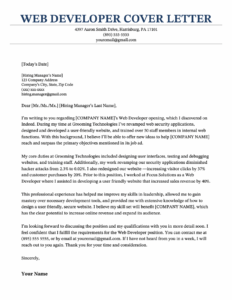
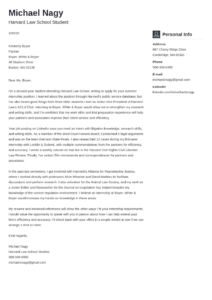
Every effective cover letter begins with your contact information, the date, and the recipient’s details. Always try to find the hiring manager’s name to address your letter directly. A simple “Dear [Hiring Manager’s Name],” is far more impactful than a general “To Whom It May Concern.” If you can’t find a specific name, using “Dear [Hiring Team/Department Name],” is a good alternative.
The opening paragraph is crucial; it’s your hook. Clearly state the position you are applying for and where you saw the advertisement. More importantly, immediately express your enthusiasm for the role and the company. Briefly mention one or two compelling reasons why you are a strong candidate, setting an engaging tone for the rest of the letter. This isn’t the place for a summary of your resume, but rather a compelling introduction to why you’re reaching out.
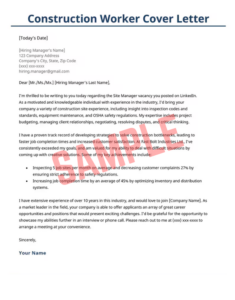
Following your strong opening, the body paragraphs are where you elaborate on your most relevant qualifications and experiences. Instead of simply listing duties, focus on achievements and quantify them whenever possible. For example, instead of “Managed social media accounts,” try “Increased social media engagement by 25% over six months, resulting in a 10% rise in lead generation.” Connect each point directly back to the job description, showing how your past successes will benefit their organization.
You might dedicate a separate paragraph to addressing a specific challenge or project mentioned in the job description, explaining how your skills are perfectly aligned to tackle it. This demonstrates proactive thinking and a deep understanding of their needs. Remember, the goal is to show, not just tell, how you can add value from day one.
The penultimate paragraph should reiterate your strong interest in the position and the company. Briefly summarize your key strengths and express your eagerness to discuss your qualifications further in an interview. This is your subtle call to action, letting them know you’re ready for the next step. Ensure your language is confident and professional.
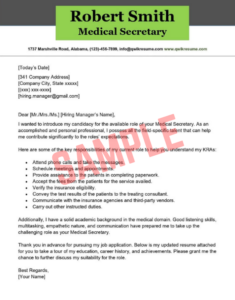
Finally, end your cover letter with a professional closing such as “Sincerely” or “Best regards,” followed by your typed name. If you are sending a digital application, a typed signature is usually sufficient. Remember to proofread meticulously for any typos or grammatical errors; a flawless letter reflects attention to detail, a quality employers highly value.
Your Go-To Cover Letter Template for Online Job Application
Creating a powerful cover letter doesn’t have to be a struggle. This structured approach, serving as a robust cover letter template for online job application, provides a clear pathway to present your best self. It’s designed to be adaptable, ensuring you can tailor it perfectly to each unique opportunity while maintaining a professional and compelling tone.
Think of this template as a guide for your content, section by section. It ensures you hit all the necessary points and structure your thoughts logically, making it easy for hiring managers to quickly grasp your qualifications and enthusiasm. Remember, the goal is to make their job easier by clearly presenting why you are an ideal fit.
Here’s a breakdown of the template’s essential components, which you can easily adapt and populate with your own details and experiences. Each segment plays a vital role in building a comprehensive and convincing narrative for your application:
* Your Contact Information (Name, Address, Phone, Email, LinkedIn URL)
* Date
* Hiring Manager Contact Information (Name, Title, Company Name, Company Address)
* Professional Salutation (e.g., Dear Mr. Smith,)
* Opening Paragraph: State the position, where you found it, and express enthusiasm, briefly mentioning key qualifications.
* Body Paragraph 1: Detail relevant skills and experiences, providing specific examples and quantifiable achievements that align with job requirements.
* Body Paragraph 2 (Optional but Recommended): Expand on another key qualification, perhaps highlighting problem-solving skills or teamwork, always connecting back to the role.
* Closing Paragraph: Reiterate interest, express eagerness for an interview, and thank them for their time and consideration.
* Professional Closing (e.g., Sincerely,)
* Your Typed Name
By consistently applying this framework, you’ll not only save time but also ensure every cover letter you send is polished, persuasive, and professional. It empowers you to focus on the unique aspects of each job and company, confident that your underlying structure is solid.
A well-crafted cover letter, even when built from a template, serves as a powerful testament to your professionalism and genuine interest. It’s a chance to transform your application from a mere submission into a compelling introduction, setting you apart from the competition. Take the time to personalize each one, and you’ll find yourself much closer to achieving your career aspirations. With this approach, you’re not just applying for a job; you’re actively pursuing your future.