So, you’re on the hunt for your next big opportunity in the exciting world of web development, and you know that a compelling application is key. A crucial piece of that puzzle is often a well-written cover letter, and if you’re like many, you’ve probably found yourself searching for a reliable cover letter template for web developer roles. It’s more than just a formality; it’s your chance to make a memorable first impression before an employer even glances at your resume.
In today’s competitive tech landscape, simply listing your skills and past projects on a resume might not be enough to truly stand out. Your cover letter provides the unique opportunity to tell your story, express your passion for coding, and explain why you’re the perfect fit for a specific company and role. It bridges the gap between your technical capabilities and your personality, giving hiring managers a glimpse into who you are beyond the lines of code.
This article isn’t just about handing you a generic fill-in-the-blanks document. Instead, we’re going to dive into what makes a web developer cover letter genuinely impactful, offering you a framework and insights to craft a personalized letter that grabs attention and helps you land those coveted interviews. Get ready to transform your application strategy and showcase your best self.
Why Your Web Developer Cover Letter Needs to Stand Out
In an inbox full of applications, many of which might look eerily similar, a truly exceptional cover letter can be your secret weapon. Think of it as your first line of code in the application process – it needs to be clean, functional, and immediately impressive. Generic, boilerplate letters often get overlooked, precisely because they fail to convey genuine interest or demonstrate a unique understanding of the role or company. Your cover letter is where you start building a relationship, not just ticking a box.
Web development is a diverse field, encompassing everything from intricate backend systems to beautiful, user-friendly frontends, and sometimes a blend of both as a full-stack developer. Your resume details the specific technologies you master, but your cover letter allows you to explain how you apply those technologies to solve real-world problems. It’s an opportunity to articulate your problem-solving methodology, your approach to collaboration, and your excitement for tackling new challenges – qualities that are highly valued by tech companies.
A well-crafted cover letter doesn’t just repeat what’s on your resume; it complements it. While your resume provides the facts and figures – your work history, educational background, and a list of programming languages – your cover letter weaves these elements into a compelling narrative. It’s where you elaborate on significant achievements, discuss why a particular project resonated with you, or explain the impact you had in a previous role. This storytelling aspect is crucial for connecting with hiring managers on a deeper level.
One of the most critical aspects of a standout cover letter is its tailored nature. Employers can spot a mass-produced letter from a mile away. Taking the time to research the company, understand its products or services, and align your skills and aspirations with their mission shows initiative and genuine interest. Mentioning specific projects they’ve worked on, their company values, or how your own career goals align with their vision demonstrates that you’re not just sending out applications blindly, but are thoughtfully pursuing opportunities.
Beyond the technical skills, companies are increasingly looking for individuals who are a good cultural fit. Your cover letter is a fantastic place to let a bit of your personality shine through. Are you a collaborative team player? Do you thrive in fast-paced environments? Are you constantly learning new technologies? Expressing these personal attributes in a professional yet authentic way can make you more relatable and memorable. It shows that you’re not just a coder, but a valuable human asset to their team.
Ultimately, a strong cover letter sets the stage for your interview. It creates curiosity and makes the hiring manager want to learn more about you. By highlighting your most relevant skills, demonstrating your enthusiasm, and articulating your unique value proposition, you encourage them to spend more time with your application. It’s an investment in your career, ensuring that your application doesn’t just get seen, but truly gets considered.
Personalizing Your Opening Hook
Your first paragraph is your chance to grab attention immediately. Start by clearly stating the position you’re applying for and where you learned about it. Follow this with a strong, confident sentence or two that expresses your genuine excitement for the role and briefly outlines why you are a strong candidate, setting the tone for the rest of your letter.
Showcasing Your Technical Prowess
This section is where you connect your skills to their needs. Instead of just listing technologies, describe how you’ve used them to achieve tangible results. Talk about specific projects, challenges you overcame, and the impact of your contributions. Quantify your achievements whenever possible – did you improve loading times by a certain percentage, or develop a feature that increased user engagement?
Connecting with the Company’s Vision
Demonstrate that you’ve done your homework. Mention specific aspects of the company that appeal to you – perhaps their innovative products, their commitment to open source, or their company culture. Explain how your values and professional aspirations align with theirs, showing that you’re not just looking for a job, but a place where you can genuinely contribute and grow.
The Call to Action
Conclude your letter by reiterating your enthusiasm for the position and the opportunity to discuss your qualifications further. Professionally invite them to review your attached resume and express your availability for an interview, making it easy for them to take the next step.
Crafting Your Own Web Developer Cover Letter Template
While the concept of a “template” implies a fixed structure, the best approach is to view it as a flexible framework that guides your writing, rather than a rigid document to copy verbatim. Your goal is to create a personalized, impactful letter every time, and a well-thought-out structure helps ensure you hit all the necessary points while maintaining a consistent professional tone. Think of it as a set of best practices that you adapt for each unique job application.
The core idea is to understand the essential components that make a cover letter effective, and then to fill those components with content that is specific to you and the role you’re applying for. This way, you maintain efficiency in your application process while still delivering a highly customized message. It allows you to focus on the storytelling and personalization, rather than starting from scratch each time you apply for a new web developer position.
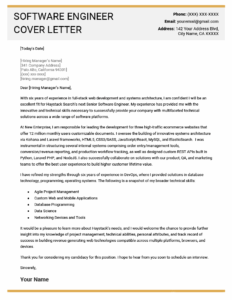
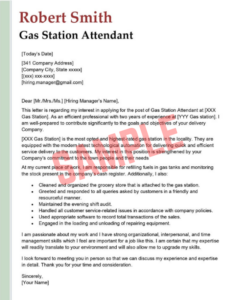
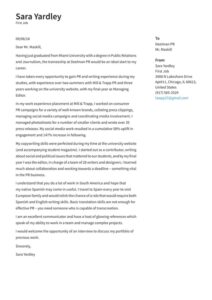
Here’s a breakdown of the key elements you should consider for your own cover letter template for web developer positions, ensuring you cover all bases and leave a strong impression:
- Your Contact Information: Include your name, phone number, email, and a link to your LinkedIn profile or personal portfolio/website.
- Date: The date you are sending the letter.
- Hiring Manager’s Contact Information: If you know their name, use it! Otherwise, a general title like “Hiring Team” or “Hiring Manager” is acceptable.
- Salutation: A professional greeting, ideally addressing the hiring manager by name.
- Opening Paragraph: State the position you’re applying for, where you saw the advertisement, and a concise statement of your enthusiasm and suitability.
- Body Paragraph 1: Highlight 1-2 key skills or experiences directly relevant to the job description, using concrete examples or projects. This is where you connect your technical abilities to their specific needs.
- Body Paragraph 2: Discuss why you’re interested in *this specific company* and how your values or career goals align with their mission or culture. Show you’ve done your research.
- Closing Paragraph: Reiterate your interest, briefly summarize your strongest selling point, and include a clear call to action, expressing your desire for an interview.
- Professional Closing: Such as “Sincerely” or “Best regards.”
- Your Signature: Type your full name.
Mastering the art of the cover letter is a valuable skill that can significantly elevate your job search. By understanding the strategic importance of this document and investing the time to tailor each one, you present yourself not just as another applicant, but as a dedicated, thoughtful professional ready to contribute. This commitment to detail truly makes a difference in a competitive industry.
Remember, every application is an opportunity to make a lasting impression and showcase your unique blend of technical expertise and personality. Continuously refining your approach, seeking feedback, and staying authentic will pave the way to exciting new roles. Keep honing your message, and you’ll find yourself on the path to success.