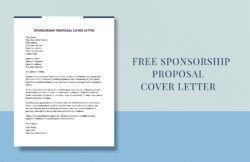
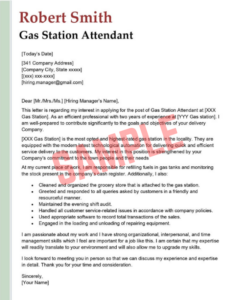
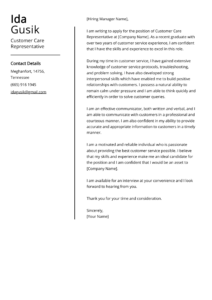
Crafting the perfect cover letter can often feel like staring at a blank page, wondering how to best introduce yourself or your proposal. Whether you’re applying for a job, pitching a new service, or introducing a partnership opportunity, a well-structured letter is your golden ticket. That’s where a reliable cover letter template for business comes in handy, saving you time and ensuring you present a professional image right from the start.
In the bustling world of commerce, first impressions are not just important; they’re everything. A compelling cover letter acts as your personal advocate, highlighting your unique value proposition and setting the tone for future interactions. It’s more than just a formality; it’s a strategic communication tool designed to capture attention and open doors.
But simply having a template isn’t enough. The real magic happens when you understand how to customize and breathe life into it, making it resonate specifically with your intended audience. This article will guide you through the essential elements of an effective business cover letter and show you how to tailor any template to truly stand out.
The Anatomy of an Impactful Business Cover Letter
Every great business cover letter serves a singular purpose: to connect with the reader and persuade them to take the next step, whether that’s scheduling an interview, accepting a proposal, or learning more about your offering. It’s about clearly articulating your purpose and demonstrating your value in a concise and engaging manner.
Start with a professional header. This should include your contact information (name, address, phone, email, LinkedIn profile if applicable) and the date, followed by the recipient’s contact information. Accuracy here is paramount, as any errors can undermine your credibility before the letter is even read.
The salutation sets the tone. Always strive for a personalized greeting, using the recipient’s name (e.g., “Dear Ms. Johnson,”). If you’re unsure of the exact contact person, a well-researched departmental address (e.g., “Dear Hiring Manager for [Department Name],”) is preferable to a generic “To Whom It May Concern.”
Crafting Your Compelling Opening
The opening paragraph is your hook. It needs to grab the reader’s attention immediately and state the purpose of your letter clearly. If you’re responding to a job posting, mention the position title and where you saw it advertised. If you’re initiating contact, briefly explain why you’re reaching out and how you believe you can add value.
Following this, quickly connect your core offering or primary skill to their specific needs or challenges. Show that you’ve done your homework and understand their context. This early demonstration of relevance is crucial for keeping them engaged and eager to learn more about how a comprehensive cover letter template for business can be adapted.
The main body of your letter is where you expand on your qualifications, experience, or the benefits of your proposal. Instead of simply listing duties or features, focus on accomplishments and quantifiable results. Use strong action verbs and paint a clear picture of how your skills or services directly address their requirements or help them achieve their goals. This is your chance to really showcase your unique selling points.
Conclude the main body with a clear and polite call to action. What do you want the reader to do next? Request an interview, propose a meeting, or invite them to review a detailed proposal. Make it easy for them to take that next step by providing direct contact information or instructions.
Finally, end with a professional closing, such as “Sincerely” or “Best regards,” followed by your typed name and signature. This final touch reinforces your professionalism and respect for the recipient.
Making Your Template Shine: Key Customization Tips
While a cover letter template provides a solid foundation, its true power lies in your ability to customize it. No two business opportunities are exactly alike, and a generic letter is quickly overlooked. Personalization demonstrates genuine interest and thoughtful consideration, instantly elevating your communication above the rest.
Before you even start typing, dedicate time to thorough research. Understand the company’s mission, values, recent achievements, and current challenges. If you’re writing to an individual, learn about their role and contributions. This insight will allow you to tailor your language, references, and proposed solutions directly to their context, making your letter feel specifically written for them.
Here are some essential tips to make your template truly stand out:
- Research the recipient and company thoroughly to understand their specific needs.
- Tailor your opening paragraph to directly address the opportunity and their requirements.
- Highlight relevant experiences, skills, or service benefits and quantify achievements whenever possible.
- Proofread meticulously for any grammatical errors, typos, or awkward phrasing.
- Keep it concise and to the point, respecting the reader’s valuable time.
By treating each cover letter as a unique opportunity to connect and impress, you transform a simple template into a powerful tool for success. It’s about more than just filling in the blanks; it’s about infusing your unique value proposition into a well-established framework.
Embrace the flexibility of a good template and let your specific message and professionalism shine through. With these strategies, you’re not just sending a letter; you’re sending a statement of intent and capability that commands attention in any business interaction.