Landing your dream job as an interior designer often starts long before the interview stage. Your application, especially your cover letter, is your first opportunity to make a lasting impression. It’s a chance to go beyond your resume and truly convey your passion, skills, and why you’re the perfect fit for a specific role. That’s where a well-structured and engaging interior designer cover letter template can become your secret weapon.
Think of your cover letter not just as a formality, but as a personalized pitch. It allows you to speak directly to the hiring manager, explaining how your unique eye for design, problem-solving abilities, and client-facing skills align perfectly with what they’re looking for. It bridges the gap between the bullet points on your resume and the vibrant personality behind them.
This article will guide you through crafting a compelling cover letter that showcases your talents and helps you stand out in a competitive design landscape. We’ll explore the essential elements, offer tips for tailoring your message, and ultimately help you present yourself as an indispensable asset to any design firm.
Crafting Your Stand-Out Interior Designer Cover Letter
A truly effective cover letter for an interior design position isn’t just about listing your qualifications; it’s about telling a story. It’s your chance to articulate your design philosophy, demonstrate your understanding of the firm’s aesthetic, and express genuine enthusiasm for the specific role. Starting with a powerful opening is crucial. Don’t waste precious space with generic phrases. Instead, immediately mention the position you’re applying for and one compelling reason why you’re drawn to *their* firm. Perhaps you admire a recent project, or their company culture resonates with your values.
The body of your letter is where you connect the dots between your experience and their needs. Rather than just repeating what’s on your resume, elaborate on specific projects or responsibilities. Did you lead a residential renovation from concept to completion? Did you excel at client presentations, translating complex design ideas into understandable visions? Provide context and, where possible, quantifiable achievements. For instance, “redesigned a commercial office space, improving employee collaboration by implementing open-plan zones and increasing natural light exposure.”
Tailoring Your Experience to the Role
One of the biggest mistakes job seekers make is sending a generic cover letter. For an interior design role, personalization is paramount. Research the firm thoroughly. Look at their portfolio, read about their values, and try to understand their niche. Are they known for sustainable design? High-end residential? Commercial fit-outs? Use this knowledge to infuse your letter with specific examples that demonstrate how your skills and aesthetic align with theirs. Mentioning a specific project of theirs you admire, and explaining why, shows genuine interest and initiative.
Beyond technical skills like space planning, CAD proficiency, or material sourcing, highlight your soft skills. Interior design is a client-facing profession that requires excellent communication, problem-solving, and project management abilities. Illustrate how you’ve successfully managed client expectations, collaborated with contractors, or navigated unexpected challenges with creativity and grace. These interpersonal skills are often just as valued as your design expertise.
Remember to keep your tone professional yet enthusiastic. Let your passion for design shine through without being overly informal. A well-written cover letter reflects attention to detail, which is a highly valued trait in an interior designer. Ensure there are no typos or grammatical errors – these can detract significantly from your professional image.
Sealing the Deal: Your Professional Close
Conclude your letter by reiterating your strong interest in the position and the firm. Express confidence in your ability to contribute meaningfully and propose a clear call to action, such as requesting an interview to discuss your qualifications further. Thank them for their time and consideration, and end with a professional closing.
What to Include in Your Template and Why
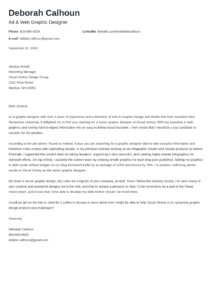
An effective interior designer cover letter template provides a solid framework that you can easily customize for each application, saving you time while ensuring you hit all the necessary points. At the very top, you’ll want your full contact information, including your name, phone number, email, and a link to your online portfolio or LinkedIn profile. Below that, include the date, followed by the hiring manager’s name and title (if known) and the company’s address. Addressing the letter to a specific person makes it feel much more personal than a generic “Hiring Manager.”
The body of your cover letter typically breaks down into three to four main paragraphs. The first paragraph is your introduction and hook, grabbing their attention and stating your purpose. The middle paragraphs are where you elaborate on your relevant skills, experience, and accomplishments, always linking them back to the requirements of the job description. This is where you can truly show, not just tell, how you’re a great fit.
Finally, your concluding paragraph should summarize your interest and enthusiasm, thank the reader for their time, and include a call to action. A well-designed interior designer cover letter template should streamline this process, allowing you to focus on the unique content that will make you shine. It’s also wise to include a professional closing such as “Sincerely” or “Best regards,” followed by your typed name.
Here’s a quick checklist for your template’s essential sections:
- Your Contact Information (Name, Phone, Email, Portfolio Link)
- Date
- Hiring Manager’s Contact Information (Name, Title, Company Address)
- Personalized Salutation (e.g., “Dear Ms. Smith,”)
- Introduction (State purpose, express enthusiasm)
- Body Paragraphs (Showcase skills, experience, achievements relevant to the role)
- Conclusion (Reiterate interest, call to action)
- Professional Closing (e.g., “Sincerely,”)
- Your Typed Name
Remember, your cover letter is an extension of your professional brand. A thoughtfully constructed letter demonstrates your attention to detail, communication skills, and passion for interior design, all qualities highly valued in the industry. It’s your chance to articulate your unique perspective and creative vision, laying the groundwork for a successful interview.
Taking the time to craft a compelling cover letter can significantly boost your chances of getting noticed in a competitive job market. It’s not just about listing qualifications; it’s about making a personal connection and demonstrating why you’re not just another applicant, but a future asset to their team. Good luck on your journey to designing beautiful spaces!