Landing your dream UX design role often feels like a puzzle, and while your portfolio and resume are crucial pieces, a compelling cover letter is what truly brings your application to life. Think of it as your chance to tell your unique story, connect with the hiring manager on a personal level, and show them why you’re more than just a list of skills. This is where a well-crafted ux designer cover letter template can become your secret weapon, guiding you to articulate your passion and experience effectively.
Many aspiring UX designers focus solely on perfecting their portfolios, assuming that’s all that matters. However, a cover letter provides context, personality, and an opportunity to address specific aspects of the job description that your resume might not fully capture. It demonstrates your communication skills, attention to detail, and your ability to articulate your value proposition, all of which are essential traits for a successful UX professional.
So, how do you move beyond a generic application and create a letter that truly resonates? We’ll explore the art of crafting a powerful cover letter that not only highlights your technical prowess but also showcases your empathy, problem-solving mindset, and genuine interest in the company you’re applying to. Let’s dive into making your application unforgettable.
Crafting Your Stand-Out UX Designer Cover Letter
Your cover letter isn’t just a formality; it’s your narrative space. It’s where you bridge the gap between your resume’s bullet points and the human element of your work. Think of it as a personal pitch where you can elaborate on your experiences, explain your motivations, and directly address how your skills align with the company’s vision and the specific challenges of the UX role advertised. This personalized approach is what distinguishes a memorable candidate from the rest.
Start by thoroughly researching the company and the specific UX team you’re applying to join. What are their recent projects? What’s their design philosophy? Who are their users? Weaving in details about their mission, values, or even a recent product launch shows genuine interest and effort. This level of personalization demonstrates that you haven’t just sent out a mass application, but that you’ve invested time in understanding their world.
Next, focus on storytelling rather than just listing skills. Instead of saying you have “user research experience,” describe a specific project where your research uncovered a key user pain point, and how your subsequent design decisions directly addressed it. Quantify your impact whenever possible. For example, “My iterative prototyping process led to a 15% improvement in user task completion rates,” gives the hiring manager a concrete understanding of your contributions.
Empathy is at the core of UX, and your cover letter is an excellent place to demonstrate it. Talk about your user-centered approach, your passion for understanding human behavior, and how you translate complex problems into intuitive solutions. Show that you not only understand design principles but also care deeply about the people who will use your products. This human touch can make a significant difference.
Your opening paragraph should hook the reader immediately. State clearly the position you’re applying for and why you’re excited about *this specific opportunity* at *this specific company*. Avoid generic statements. For the body, select two or three key experiences from your portfolio that directly relate to the job description and expand on them. This isn’t a repeat of your resume; it’s an opportunity to provide context and depth.
Conclude with a clear call to action, expressing your eagerness to discuss your application further in an interview. Reiterate your enthusiasm for the role and the company. Before sending, meticulously proofread your letter for any grammatical errors or typos. A flawless letter reflects your attention to detail, a critical skill for any UX designer. The tone should be professional yet enthusiastic, confident but not arrogant, and always authentic to who you are.
Key Elements to Include in Your Template
Building a solid foundation for your cover letter ensures you cover all the necessary ground while still leaving room for personalization. While every application should be tailored, there are core components that form the backbone of an effective letter, guiding the reader through your qualifications and interest in a structured manner. Having these elements ready makes customizing each application much faster and more efficient.
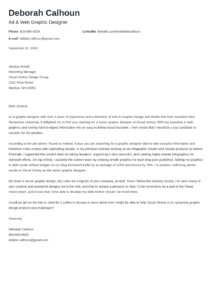
First, always begin with your contact information, followed by the date, and then the recipient’s contact information. If you know the hiring manager’s name, use it. A personalized salutation like “Dear [Hiring Manager’s Name]” is far more impactful than a generic “To Whom It May Concern.” This small detail immediately signals that you’ve done your homework and are serious about the application.
The body of your letter is where you connect your skills to the job requirements. Dedicate a paragraph or two to specific projects or experiences that highlight your UX capabilities such as user research, wireframing, prototyping, usability testing, or information architecture. Explain the challenge, your role in solving it, the tools you used, and the positive outcome. Remember, the goal is to show, not just tell, your proficiency.
Here are some essential sections to consider for your ux designer cover letter template:
- Your Contact Information (Name, Phone, Email, LinkedIn Profile)
- Date
- Recipient’s Contact Information (Hiring Manager Name, Title, Company, Address)
- Personalized Salutation
- Opening Paragraph (State position, express enthusiasm for company)
- Body Paragraphs (Showcase 2-3 relevant UX experiences with impact)
- Call to Action (Request an interview, reiterate interest)
- Professional Closing (Sincerely, Best regards)
- Your Typed Name
As you refine your cover letter, remember that it serves as a powerful testament to your abilities and dedication. It’s your chance to convey passion and personality, making a connection that extends beyond the bullet points on a resume. A well-crafted letter can significantly elevate your application, moving you closer to the UX role you’ve been working towards.
Embrace the opportunity to tell your story, highlighting not just what you’ve done, but why you do it and the impact you strive to make. This thoughtful approach will undoubtedly make your application stand out in a competitive field, demonstrating your readiness to contribute meaningfully to your next team.