Landing your dream job in public relations often starts with making a stellar first impression, and that’s precisely where a strong cover letter comes into play. If you’ve been searching for a public relations cover letter template that truly helps you stand out from the crowd, you’re in the right place. A well-crafted cover letter doesn’t just reiterate your resume; it tells your unique story and demonstrates why you’re the perfect fit for the role.
The PR industry is dynamic and competitive, with countless talented professionals vying for limited positions. To truly shine, you need more than just impressive qualifications; you need to convey your personality, your passion for communications, and your understanding of the specific company and role you’re applying for. This document is your golden ticket to grabbing a hiring manager’s attention.
Think of your cover letter as your personal pitch. It’s an opportunity to elaborate on key experiences, showcase your communication skills, and articulate your career aspirations in a way that resonates with the employer. It’s about making a connection even before you get to the interview stage, setting the stage for a memorable application.
Crafting Your Winning Public Relations Cover Letter
When you’re aiming for a role in public relations, your cover letter is essentially your first major PR campaign. It’s a chance to promote yourself, your skills, and your potential contributions to a prospective employer. The secret isn’t just about listing your accomplishments; it’s about weaving them into a compelling narrative that addresses the company’s needs and aligns with its values.
Start with a strong opening paragraph that immediately grabs attention. Don’t just say “I am writing to apply for the [Position Name] position.” Instead, express genuine enthusiasm for the company and the role, perhaps mentioning how their recent campaign or mission statement resonates with you. Clearly state the position you’re applying for and where you saw the advertisement, but do so with a touch of personality.
The body of your cover letter is where you connect your experiences directly to the job description. This isn’t a copy-paste job from your resume. Pick 2-3 key responsibilities or requirements from the job posting and illustrate how your past roles, projects, or internships have prepared you. For a PR role, focus on skills like media relations, crisis communication, content creation, social media management, and strategic planning.
Quantifying your achievements is absolutely crucial. Instead of just saying “managed social media,” try “increased social media engagement by 30% over six months by implementing a new content strategy” or “secured 15 media placements in top-tier publications for a product launch.” Numbers provide concrete evidence of your impact and demonstrate your ability to deliver tangible results, which is highly valued in PR.
Show that you’ve done your homework. Research the company’s recent campaigns, client wins, or organizational values. Mention something specific that genuinely excites you about their work. This demonstrates not only your interest in the role but also your proactive nature and understanding of the PR landscape, which are vital qualities for a public relations professional.
Before you conclude, reiterate your enthusiasm for the position and the company. Clearly state your call to action, expressing your eagerness for an interview to discuss how your skills and passion can benefit their team. Thank them for their time and consideration, maintaining a professional yet approachable tone throughout.
Essential Elements to Include
Beyond the compelling narrative, a public relations cover letter template should always adhere to standard professional formatting and include specific logistical details. These aren’t just formalities; they ensure your letter is easy to read, professional, and reflects your attention to detail, a critical trait in PR.
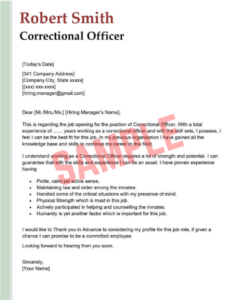
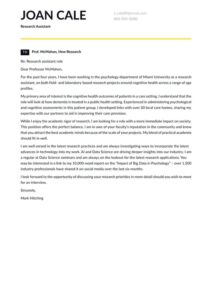
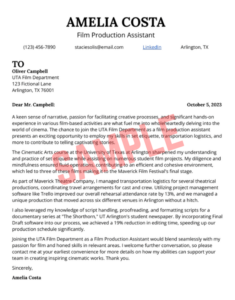
Always begin with your contact information, the date, and the hiring manager’s contact information (if known). A personalized salutation, using the hiring manager’s name, makes a huge difference compared to a generic “To Whom It May Concern.” If you can’t find a specific name, “Dear [Hiring Team] at [Company Name]” or “Dear [Department] Hiring Manager” can be effective alternatives.
Before you hit send, rigorous proofreading is non-negotiable. A cover letter riddled with typos or grammatical errors sends a message that you lack attention to detail, which is detrimental for someone aspiring to a communications role. Read it aloud, use grammar checkers, and ideally, have another pair of eyes review it for clarity and correctness. This final check ensures your professional image remains impeccable.
- Your Contact Information (Name, Address, Phone, Email, LinkedIn Profile)
- Date
- Hiring Manager’s Contact Information (Name, Title, Company, Address)
- Professional Salutation (e.g., “Dear Ms. Smith,” or “Dear [Company Name] Hiring Team,”)
- Introduction (State position, express enthusiasm)
- Body Paragraphs (Connect skills and experiences to job requirements, quantify achievements)
- Customization for the Specific Company and Role
- Call to Action (Request an interview)
- Professional Closing (e.g., “Sincerely,” or “Best regards,”)
- Your Typed Name
Ultimately, your cover letter is an indispensable tool in your job application arsenal. It’s your chance to move beyond the bullet points of a resume and present a holistic picture of who you are as a professional. By investing time in crafting a thoughtful, personalized, and error-free letter, you significantly increase your chances of capturing a recruiter’s interest and securing that coveted interview slot.
Remember, every word you write reflects your communication abilities, which are paramount in public relations. Approach this task with the same strategic thinking you would for any client campaign. Good luck in your job search, and may your cover letter open the door to exciting new opportunities in the world of PR!