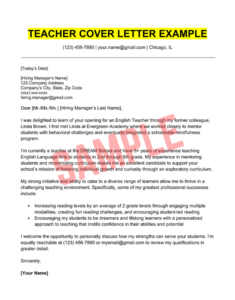
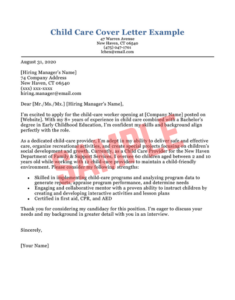
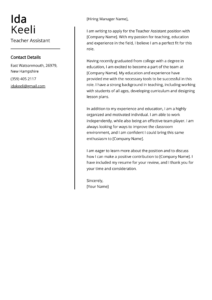
Stepping into the world of early childhood education is a rewarding journey, and your first impression often comes through your application. Crafting a compelling cover letter is crucial, and having a solid preschool teacher cover letter template can make all the difference in presenting yourself as the ideal candidate. This document isn’t just a formality; it’s your chance to convey your passion, highlight your relevant skills, and demonstrate why you’re the perfect fit for nurturing young minds.
Preschool teaching requires a unique blend of patience, creativity, and a deep understanding of child development. Recruiters are looking for individuals who can not only manage a classroom but also inspire curiosity, foster social-emotional growth, and build strong relationships with children and their families. Your cover letter needs to reflect these qualities, showcasing your genuine enthusiasm for working with the youngest learners.
We understand that starting a cover letter from scratch can feel daunting. That’s why we’re here to guide you through the process, offering insights and a structural approach to help you articulate your qualifications and personality effectively, ensuring your application truly stands out.
Crafting Your Compelling Preschool Teacher Cover Letter
A successful cover letter for a preschool teaching position goes far beyond simply restating your resume. It’s your opportunity to tell a story, to connect your experiences with the specific needs and philosophy of the school you’re applying to. Think of it as a personal introduction where you highlight the aspects of your professional background and character that make you uniquely suited to fostering growth in young children. You want to make an immediate impact, showing that you’ve done your homework and are genuinely invested in their institution.
Begin your letter with a professional heading that includes your contact information, the date, and the contact information of the hiring manager or school director. This attention to detail demonstrates professionalism right from the start. If you don’t have a specific name, “Hiring Manager” or “Preschool Director” is an acceptable alternative. Then, dive into your opening paragraph by clearly stating the position you are applying for and where you saw the job advertised. More importantly, express your immediate enthusiasm for the role and the particular school, perhaps mentioning something specific about their program or mission that resonates with you.
The body of your letter is where you expand on your qualifications and enthusiasm. Dedicate a paragraph to your most relevant experience, focusing on how your past roles have prepared you for the challenges and joys of preschool education. Did you implement innovative learning activities? Successfully manage a diverse group of children? Cultivate strong parent partnerships? Be specific, using examples that illustrate your capabilities in a preschool setting. This is your chance to show, not just tell, what you bring to the classroom.
Another paragraph can be dedicated to showcasing your passion for early childhood development and your understanding of educational philosophies pertinent to preschoolers. Discuss your approach to fostering a positive and inclusive learning environment, emphasizing skills like patience, creativity, adaptability, and effective communication. Perhaps you have a unique method for encouraging literacy or a special knack for art and sensory play. This helps paint a picture of you as an engaging and thoughtful educator.
Don’t forget to address any specific requirements mentioned in the job description, such as particular certifications, first-aid training, or experience with specific curricula. Weaving these details naturally into your narrative proves that you’ve carefully read the job posting and are a strong match for their specific needs. This proactive approach underscores your commitment and attention to detail, qualities highly valued in a preschool teacher.
As you near the end of your cover letter, reiterate your strong interest in the preschool teacher cover letter template and express confidence in your ability to contribute positively to their team and their students’ development. Conclude with a clear call to action, politely requesting an interview to discuss your application further. Thank the reader for their time and consideration, and sign off professionally.
Remember, every school has a unique culture. Tailoring your cover letter to reflect an understanding of their specific values, curriculum, or community involvement will make a significant impact. Research the school’s website, read their mission statement, and try to incorporate elements that show you’re a thoughtful and dedicated applicant who genuinely wants to be a part of their particular environment.
Essential Elements to Include in Your Application
Beyond your experience and passion, there are several foundational components that will strengthen your overall application and make a memorable impression. Think about what truly sets you apart from other candidates who might have similar qualifications. Is it a unique skill you possess, a specialized training, or perhaps a particular philosophy of education that aligns perfectly with the school’s ethos?
Consider highlighting any special certifications or professional development courses you’ve undertaken that are specific to early childhood education. This could include training in specific teaching methodologies like Montessori or Reggio Emilia, early literacy programs, or even certifications in areas like child nutrition or behavioral management. These extra credentials demonstrate a commitment to continuous learning and professional growth, which is highly valued in the field.
Furthermore, it’s beneficial to include details that convey your holistic approach to child development. This isn’t just about academics; it’s about nurturing the whole child. Mention your experience in fostering social-emotional skills, promoting creative expression, or engaging in outdoor learning. These examples illustrate a well-rounded teaching philosophy and an understanding of the diverse needs of young children.
Here are a few more critical elements to keep in mind:
* Always customize each cover letter for the specific school and position you are applying to. A generic letter rarely makes an impact.
* Proofread your letter meticulously for any grammatical errors or typos. A flawless letter reflects your attention to detail.
* Maintain a professional yet warm and approachable tone throughout. You’re working with young children, so your personality should shine through respectfully.
* If possible, quantify your achievements. For instance, instead of “managed activities,” say “developed and implemented 15 age-appropriate activities for 20 children weekly.”
* Ensure your availability for an interview is clear, and provide your preferred method of contact.
Your cover letter is more than just a summary of your resume; it’s your personal narrative and an opportunity to connect with the hiring committee on a deeper level. It allows you to express your genuine excitement for the role and to articulate how your unique skills and experiences will enrich their educational community. Take the time to craft a thoughtful and personalized letter, as it can truly elevate your application above the rest.
Remember that every detail contributes to the overall impression you make. By presenting a well-crafted, thoughtful, and enthusiastic letter, you significantly increase your chances of securing an interview and taking the next step in your rewarding career in early childhood education. Your dedication to creating a positive learning environment for children begins even before you step into the classroom, starting with this crucial document.