Landing your dream role as an elementary teacher begins long before you step into an interview. It often starts with a compelling cover letter that grabs the attention of hiring committees. While your resume provides the facts, a well-crafted elementary teacher cover letter template allows you to infuse personality, passion, and specific examples that truly showcase why you are the ideal candidate for their school.
In today’s competitive job market, simply listing your qualifications isn’t enough. Schools are looking for educators who not only possess the necessary skills and certifications but also demonstrate a genuine love for working with young learners, an understanding of pedagogical best practices, and a commitment to fostering a positive learning environment.
This guide will walk you through the essential components of an effective cover letter, helping you create a document that opens doors and sets you apart from the crowd. We’ll explore how to highlight your unique strengths and align them with the specific needs of the schools you’re applying to.
Crafting Your Standout Elementary Teacher Cover Letter
Your cover letter is more than just an introduction; it’s your opportunity to make a memorable first impression and to articulate your teaching philosophy and experience in a narrative format. Think of it as a brief, persuasive essay designed to convince the reader that your resume deserves a closer look.
The key to a standout letter is customization. While a template provides a strong foundation, each letter you send should be tailored to the specific school and position. Research the school’s mission, values, and any special programs they offer. Mentioning these specifics demonstrates genuine interest and shows that you’ve done your homework.
The Engaging Opening
The first paragraph is crucial. It needs to immediately capture the reader’s attention and clearly state your purpose. Express your enthusiastic interest in the elementary teacher position and mention where you learned about the opening. If you have a connection to the school or community, this is a great place to briefly mention it to establish an immediate rapport.
Highlighting Your Passion and Skills
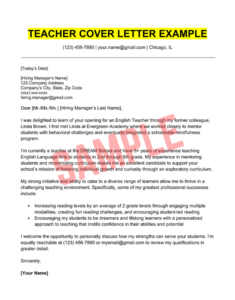
The body paragraphs are where you truly shine. Instead of simply repeating information from your resume, elaborate on key experiences and skills relevant to elementary education. Discuss your approach to classroom management, how you differentiate instruction to meet diverse learning needs, and your strategies for fostering a collaborative and engaging learning environment. Use concrete examples and anecdotes to illustrate your points, showing the impact you’ve had on student growth and development.
Consider discussing your philosophy on nurturing creativity, critical thinking, and social-emotional learning in young students. If you have experience with specific curricula, technology integration in the classroom, or parent-teacher communication strategies, these are excellent points to expand upon. Focus on what makes you unique and how your approach aligns with the challenges and rewards of teaching at the elementary level.
Remember to connect your experiences and skills directly to the needs of the elementary school you are applying to. For instance, if the school emphasizes project-based learning, share examples of how you’ve successfully implemented such projects. If they pride themselves on community involvement, talk about your experiences collaborating with families or local organizations.
Maintain a professional yet warm and approachable tone throughout the letter. This reflects the personality often sought in elementary educators. Ensure clarity and conciseness, making every sentence count towards building a strong case for your candidacy. Proofread meticulously to catch any grammatical errors or typos, as these can detract from your professional image.
What to Include in Your Cover Letter Structure
While the content of your cover letter is paramount, a clear and professional structure ensures it’s easy to read and all necessary information is present. Following a standard business letter format helps maintain professionalism and allows hiring managers to quickly identify key details.
Even when starting with an elementary teacher cover letter template, you’ll need to customize each section. Here are the essential components to include:
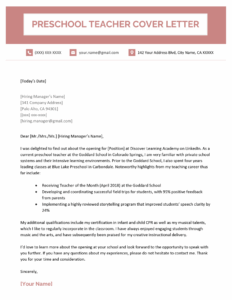
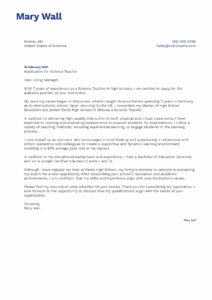
- Your Contact Information: Your full name, address, phone number, and professional email address.
- Date: The date you are sending the letter.
- Hiring Manager’s Contact Information: The name, title, school name, and address of the person you are addressing the letter to. If you don’t have a specific name, use “Hiring Committee” or “Human Resources Department.”
- Salutation: A formal greeting, such as “Dear Mr./Ms. [Last Name]” or “Dear Hiring Committee.”
- Opening Paragraph: State the position you’re applying for and express your enthusiasm.
- Body Paragraphs: Detail your relevant skills, experiences, and teaching philosophy, using specific examples.
- Closing Paragraph: Reiterate your interest, express gratitude for their time and consideration, and include a call to action, such as requesting an interview.
- Professional Closing: A formal closing like “Sincerely” or “Regards.”
- Your Typed Name: Leave space for your signature if you are sending a physical copy.
Keep your cover letter to a single page. Busy hiring managers appreciate conciseness, so ensure every word contributes to showcasing your qualifications and enthusiasm for the elementary teaching role. Thoughtful personalization within this structure will make your application truly shine.
Ultimately, your cover letter is a powerful tool to complement your resume, allowing you to tell your story and demonstrate your unique suitability for an elementary teaching position. By investing time and thought into crafting a compelling letter, you significantly enhance your chances of moving forward in the application process.
Remember, every application is an opportunity to highlight your dedication to shaping young minds. Approach each letter with enthusiasm and confidence, knowing that your passion for teaching will undoubtedly resonate with potential employers.