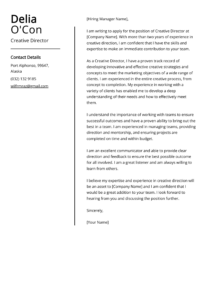
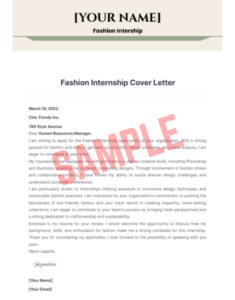
As a self employed artist, your creative passion is undoubtedly what drives you. Whether you are painting a masterpiece, sculpting a unique piece, designing for clients, or illustrating captivating stories, your focus should be on your art. However, the business side of being an artist, while perhaps less glamorous, is just as crucial for your sustainability and growth. One of the most fundamental aspects of running a successful art business is getting paid accurately and on time for your hard work.
This is where a professional invoice comes into play. It is more than just a piece of paper or a digital document; it is a clear record of the transaction, detailing the services or products you provided, the agreed-upon price, and when you expect payment. For many artists, creating these documents from scratch can feel daunting and time consuming, taking away valuable moments that could be spent creating.
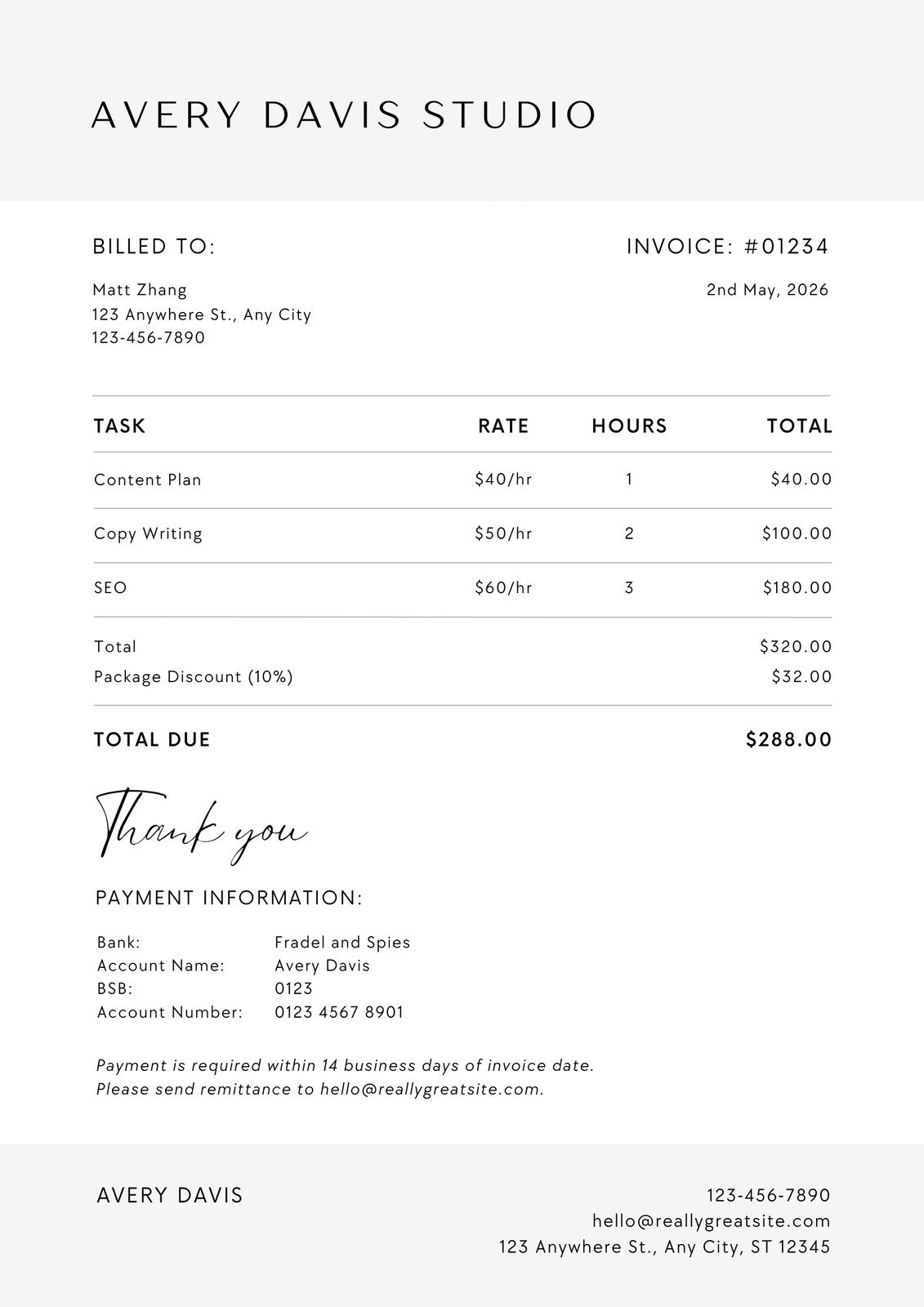
Fortunately, there is a simple solution that can streamline this essential task and ensure you present a professional image every time you bill a client. A well-designed self employed artist invoice template removes the guesswork, ensures all necessary information is included, and helps you maintain consistency across all your transactions. Let’s explore why having such a template is a game changer for your artistic career.
What to Include in Your Artist Invoice for Clarity and Professionalism
Creating an invoice might seem straightforward, but it is easy to overlook critical details that could lead to delays in payment or confusion for your clients. A comprehensive invoice not only makes it easier for your clients to understand what they are paying for but also protects you by clearly outlining the terms of your agreement. Think of it as a mini contract that summarizes your work and payment expectations. Getting these details right from the start is key to smooth financial operations.
First and foremost, your invoice needs to clearly state who you are and how you can be contacted. This includes your full name or business name, address, phone number, and email address. Without this, your client might not know who sent the invoice or how to reach you if they have questions. It establishes your legitimacy and provides a direct line of communication, which is vital for any professional interaction.
Equally important are the details of your client. Make sure to include their full name or company name, address, and any relevant contact information. This ensures the invoice is directed to the correct party and can be properly processed on their end. A clear recipient helps avoid misdirection and ensures your invoice lands in the right hands for payment.
Every invoice should have a unique invoice number and the date it was issued. The invoice number is crucial for your record-keeping and for your client’s accounting. It allows both parties to easily reference specific transactions. The date of issue helps establish the timeline for payment, especially when payment terms are based on the invoice date. This seemingly small detail is incredibly powerful for organization.
Perhaps the most important section is a detailed description of the artwork or services you provided. Be specific. Instead of just “Painting,” write “Custom oil portrait of Mr. Smith, 24×36 inches.” If it is design work, list the specific design phases or deliverables. Include the quantity, unit price, and the total for each item. This transparency builds trust and leaves no room for ambiguity about what the client is being billed for. This also means any applicable taxes should be clearly itemized and added to the subtotal.
Finally, your payment terms and the total amount due must be explicitly stated. Specify your preferred payment methods (bank transfer, online payment platform, cheque, etc.), the payment due date, and any late payment policies. Clearly present the final total amount in large, clear font. Sometimes, artists also include a short, polite thank you note and instructions on how to pay. A good self employed artist invoice template will have spaces for all these elements, guiding you through the process effortlessly.
Essential Elements for a Complete Artist Invoice
- Your full name or business name and contact information
- Client’s full name or company name and contact information
- Unique invoice number and date of issue
- Detailed description of artwork or services provided
- Quantity and unit price for each item
- Subtotal, applicable taxes, and total amount due
- Payment terms and due date
- Preferred payment methods
The Practical Benefits of Adopting a Template for Your Artistic Business
Transitioning from creating invoices from scratch to utilizing a dedicated template offers a multitude of practical benefits that extend far beyond simply saving time. For a self employed artist, every moment saved on administrative tasks is a moment that can be reinvested into creative work, marketing, or connecting with clients. A well-structured template acts as your silent, efficient business partner, ensuring consistency and professionalism across all your financial dealings.
One of the most immediate advantages is the sheer efficiency it brings. Instead of opening a blank document and trying to remember every single piece of information you need to include, a template provides pre-formatted fields. You simply fill in the blanks with client-specific details, project descriptions, and amounts. This drastically reduces the time spent on invoice generation, allowing you to get back to what you do best: creating art. It’s an instant productivity booster.
Beyond speed, a template ensures consistency and accuracy. Every invoice you send will have the same professional look and feel, reinforcing your brand image. More importantly, it helps prevent omissions of crucial information. Because the template guides you through each necessary field, you are less likely to forget to include an invoice number, payment terms, or your contact details. This consistency minimizes errors and potential back-and-forth communication with clients about missing information.
Furthermore, using a self employed artist invoice template significantly enhances your financial organization and record keeping. With every invoice following the same format, it becomes much easier to track your income, monitor outstanding payments, and prepare for tax season. Imagine sifting through a stack of inconsistently formatted documents versus a collection of uniform invoices; the latter is undeniably simpler for both you and your accountant. Good record-keeping is a cornerstone of a healthy business.
Finally, a professional invoice template projects an image of reliability and seriousness about your business. When clients receive a clear, well-organized invoice, it instills confidence in your professionalism, even if you are a one-person operation. This positive impression can foster better client relationships and encourage prompt payment. It signals that you are not just a talented artist, but also a competent business owner.
- Saves significant time on administrative tasks.
- Ensures consistent branding and professional appearance.
- Reduces errors by guiding you through all necessary fields.
- Facilitates better financial record-keeping and tax preparation.
- Boosts client confidence and encourages timely payments.
Adopting a specialized invoice template is a small change that yields substantial positive impacts on your artistic venture. It frees up your creative energy, helps maintain a polished business image, and streamlines your financial processes. By making invoicing an effortless part of your workflow, you can devote more time to your true passion: bringing your artistic visions to life and sharing them with the world. This practical step ensures that your business foundations are as strong and beautiful as the art you create.