Navigating the business side of being an artist can often feel like a whole different art form itself. You pour your heart and soul into creating beautiful pieces, but when it comes to the practicalities of getting paid, things can sometimes get a little messy. This is especially true for commissioned work, where every project might have unique details, payment schedules, and delivery expectations. Getting these details right is crucial not just for your finances, but for maintaining a professional relationship with your clients.
Think about it from your client’s perspective. When they receive a clear, well-structured document outlining all the costs and terms, it builds trust and confidence in your services. It signals that you are not only a talented artist but also a reliable and organized professional. This level of transparency helps prevent misunderstandings and ensures both parties are on the same page from the outset.
That’s where having a dedicated system for your billing comes into play. Instead of scrambling to create a new document for every single commission or relying on generic templates that don’t quite fit the unique nature of art, a specialized approach can save you time and stress. It allows you to focus more on your craft and less on the administrative hurdles, ensuring your creative energy remains exactly where it should be.
Why a Professional Art Commission Invoice Template is Essential
A well-crafted invoice does much more than just ask for money. It serves as a professional record of your agreement, a detailed breakdown of services rendered, and a clear guide for your client on how and when to pay. For artists, this level of detail is particularly important because commissions often involve unique specifications, material costs, and various stages of approval that need to be documented.
Imagine a scenario where a client disputes a charge or forgets a payment deadline. Without a comprehensive invoice, resolving such issues can become incredibly difficult and time consuming. A detailed invoice provides concrete evidence of your agreed-upon terms, protecting both you and your client in case any disagreements arise down the line. It acts as a mini contract of sorts, solidifying the business aspect of your artistic endeavor.
Furthermore, a consistent invoicing system significantly simplifies your financial management. When tax season rolls around, having all your income and service details neatly organized makes accounting much smoother. You can easily track your earnings, identify popular services, and understand your financial growth over time, allowing you to make informed decisions about your art business.
Key Elements Your Art Commission Invoice Should Include
To ensure your invoices are comprehensive and professional, there are several key pieces of information you should always incorporate. Missing even one crucial detail can lead to confusion or delays in payment.
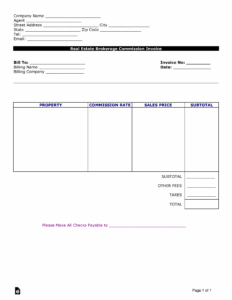
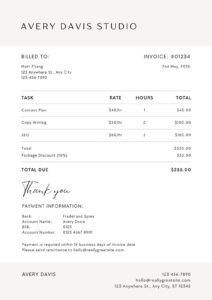
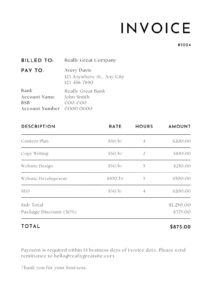
Your art commission invoice template should clearly present the following:
By including these elements, you ensure that every aspect of the commission is accounted for and communicated clearly. This meticulous approach helps manage expectations and streamlines the entire transaction process from start to finish. It leaves little room for ambiguity, making it easier for clients to understand what they are paying for and when.
Tips for Customizing and Using Your Template Effectively
Once you have a solid art commission invoice template, the next step is to make it truly yours and integrate it seamlessly into your workflow. Customization is key to reinforcing your brand and making every interaction with your clients feel professional and uniquely you.
Start by adding your branding elements. This means incorporating your artist logo, using your brand colors, and perhaps even including a unique font that aligns with your aesthetic. A visually appealing invoice not only looks professional but also serves as another touchpoint for your brand, reminding clients of your artistic identity and attention to detail.
Consistency is another crucial aspect. Make it a habit to use your customized invoice template for every single commission, no matter how small or large. This consistency builds reliability and ensures that all your records are uniform, making it easier for you to track and for your clients to understand. It also helps you refine your template over time as you identify what works best and what might need tweaking.
Consider also how you will store and deliver these invoices. Whether you send them as a PDF attachment via email, use a dedicated invoicing software, or provide a printed copy, ensure your chosen method is secure and accessible for both you and your client. Keeping digital backups of all your invoices is highly recommended, as it protects your records from loss and allows for easy retrieval when needed.
Finally, always follow up. After sending an invoice, a polite check-in near the due date can be helpful, especially for new clients. This simple act of communication can prevent late payments and demonstrate your commitment to a smooth business process, ensuring a positive experience for everyone involved.
Adopting a systematic approach to invoicing your art commissions can significantly elevate your professional standing and streamline your business operations. It empowers you to handle the financial side of your creative work with confidence and clarity, minimizing stress and maximizing efficiency. This attention to detail not only benefits your bottom line but also enhances your reputation as an artist who is serious about their craft and their clients.
By investing time in setting up a robust invoicing system, you are essentially investing in the sustained growth and professionalism of your art business. It allows you to maintain focus on your artistic passion while ensuring that the practicalities of payment and record keeping are handled with precision and ease, fostering stronger client relationships and a more prosperous creative journey.