Running a successful business, whether you are a freelancer, a small business owner, or a contractor, relies heavily on efficient invoicing. Getting paid promptly for your hard work and services is paramount, and a clear, professional invoice is the backbone of that process. It serves not only as a record of services rendered but also as a direct instruction for your client on how to fulfill their payment obligations.
However, simply sending an invoice isn’t always enough. One of the most common reasons for delayed payments or extra administrative hassle is missing or unclear payment instructions. Clients often need to know exactly how and where to send their money, and providing this information upfront can significantly smooth out your payment collection process.
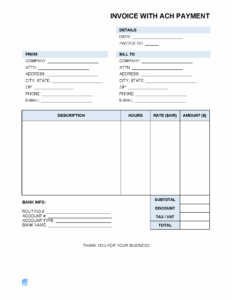
This is where the power of an invoice template with bank account details truly shines. By integrating your banking information directly into your invoice, you eliminate a significant barrier to immediate payment, making it incredibly straightforward for your clients to transfer funds and ensuring you get paid without unnecessary delays or back-and-forth communication.
Why Your Invoice Template Needs Bank Account Details
When you send an invoice, your primary goal is to get paid. Any step that simplifies this process for your client is a step towards faster payment for you. Including your bank account details directly on the invoice eliminates the need for your client to ask for this information separately, search through old emails, or even worse, make an error in finding the correct details. It’s all there, clear as day, on the document they are already reviewing.
Think about the typical client workflow. They receive your invoice, verify the services, and then look for how to pay. If they have to switch to another communication channel to request bank details, it creates a delay. They might get sidetracked, or their accounts department might need to chase you. By having all the necessary banking information present from the start, you are actively facilitating a quick and hassle-free transaction, which is beneficial for both parties involved.
Furthermore, including this information projects an image of professionalism and preparedness. It shows that you’ve thought through the payment process and have provided everything necessary for a smooth transaction. This level of detail builds trust and confidence with your clients, signaling that you are organized and easy to work with, which can also foster long-term business relationships.
What Bank Account Details to Include
To ensure your clients can make payments without any hitches, it’s crucial to include all relevant bank account details. The specific information needed might vary slightly depending on your location and whether you are expecting international payments, but here are the key elements:
- Bank Name
- Account Holder Name
- Account Number
- Sort Code (for UK payments) or Routing Number (for US payments)
- SWIFT/BIC Code (for international bank transfers)
- IBAN (International Bank Account Number, primarily for European payments)
Always double-check these details for accuracy before sending any invoice. A single digit error could lead to payment delays or, in worst-case scenarios, funds being sent to the wrong account, which can be a significant headache to resolve. Accuracy in your invoice template with bank account details is non-negotiable for a smooth transaction.
While including bank details is essential, remember to only provide the necessary information. Avoid sharing personal login details or information that is not directly required for a bank transfer. Your security and your client’s trust depend on responsible sharing of financial data.
Ultimately, a well-prepared invoice that clearly outlines payment options, including your bank account details, minimizes friction in the payment process. This simple addition can drastically improve your cash flow and reduce the administrative burden associated with chasing payments.
Finding and Customizing Your Ideal Invoice Template
Today, there are numerous resources available for finding invoice templates that suit your business needs. You can find free templates online from various business websites, use built-in features in accounting software like QuickBooks or Xero, or even create one from scratch using word processing or spreadsheet programs. The key is to select a template that is clean, professional, and easy to customize with your specific information.
Once you have a base template, the next step is personalization. This involves adding your business logo, contact information, and customizing the fields to match the services or products you provide. Branding your invoice reinforces your business identity and makes the document instantly recognizable to your client, adding another layer of professionalism to your financial communications.
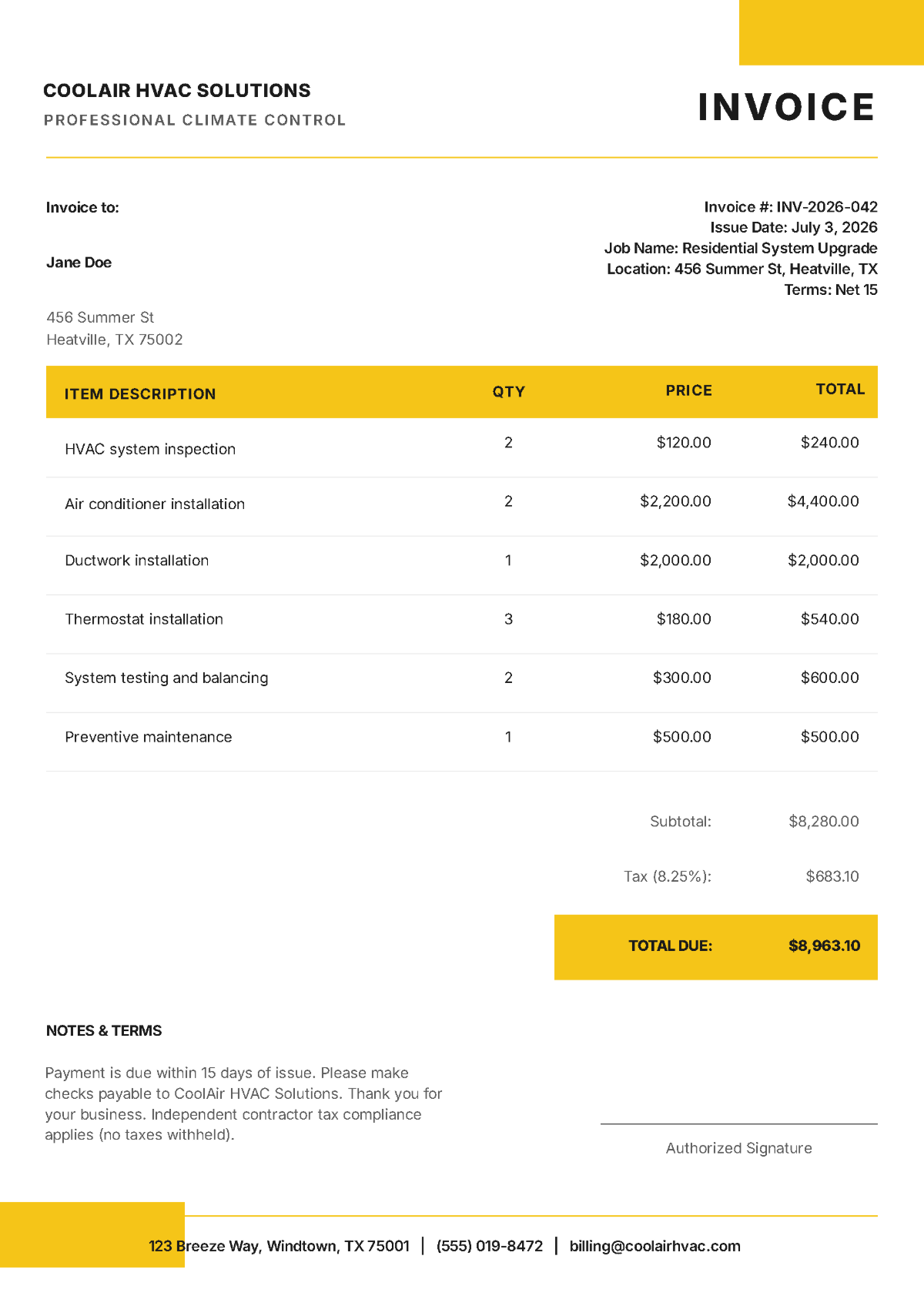
Beyond bank details, your invoice should clearly itemize all services or products provided, including quantities, unit prices, and a subtotal. Don’t forget to clearly state the total amount due, currency, and the payment due date. Clear payment terms, such as “Payment due within 30 days” or “Net 15,” should also be prominently displayed to avoid any misunderstandings.
A well-structured invoice template with bank account details streamlines the entire billing process from creation to payment. It empowers your clients to pay you efficiently, reduces the potential for payment delays, and ensures all necessary information is provided upfront. Investing a little time in setting up a robust invoicing system will pay dividends in time saved and improved cash flow.
- Your Business Name and Contact Information
- Client’s Name and Contact Information
- A Unique Invoice Number and Date of Issue
- The Payment Due Date
- A Detailed Description of Services or Products Provided
- Quantity and Unit Price for Each Item
- The Total Amount Due
- Clear Payment Terms and Conditions
Ultimately, a streamlined invoicing process contributes significantly to the financial health and operational efficiency of your business. By providing all the necessary details upfront, including precise bank account information, you empower your clients to complete their payments swiftly and accurately, reinforcing a professional image and fostering positive client relationships.
Taking the time to create or select a comprehensive invoice template that includes all crucial payment information is an investment in your business’s future. It not only simplifies the payment collection for you but also enhances the client experience, making transactions smoother and more predictable for everyone involved.