Running a successful painting and decorating business means juggling a lot of tasks, from quoting new projects and managing your team to ensuring every brushstroke is perfect. Amidst all this, one crucial element often gets overlooked or rushed: invoicing. A well-crafted invoice isn’t just a request for payment; it is a professional representation of your brand and a clear record of the excellent work you have provided. It sets the tone for your client relationships and ensures you get paid accurately and on time for your hard work.
Imagine completing a stunning mural or revitalizing an entire home, only to then spend hours manually creating an invoice from scratch, meticulously calculating materials and labor. This is where the right tools become invaluable. While any generic invoice might get the job done, a specialized template tailored to your industry offers a level of precision and efficiency that generic options simply cannot match. It streamlines the process, reflects your professionalism, and helps you avoid common billing errors.
This is precisely why having a dedicated painting and decorating invoice template is a game changer for your business. It is designed to capture all the unique aspects of your trade, from specifying paint types and finishes to detailing the hours spent on preparation and application. Adopting a specialized template means less time on administrative tasks and more time focused on delivering the beautiful results your clients expect, all while ensuring your financial records are impeccable and clear.
Why a Specialized Painting and Decorating Invoice Template is Essential
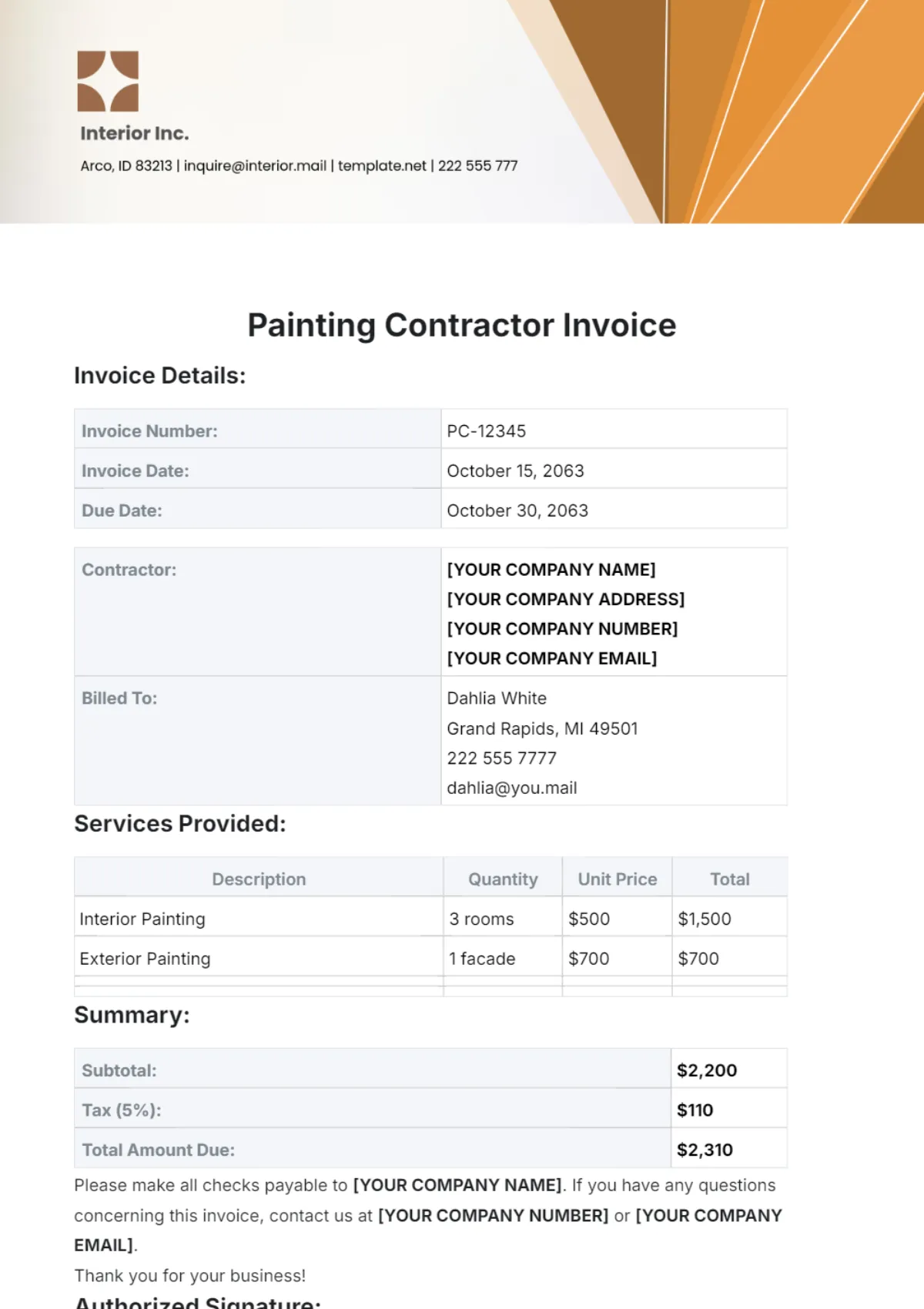
When you are working on a painting and decorating project, you know that every job is unique. There is the initial consultation, the color selection, surface preparation, the application of various coats, and finally, the finishing touches. Each of these steps involves specific materials, varying labor times, and often different pricing structures. A generic invoice template might struggle to accommodate such detailed breakdown, leading to confusion for both you and your client. A template designed for your industry anticipates these nuances, providing clear categories for every aspect of your service.
Think about the materials involved. You are not just buying “paint”; you are selecting specific brands, finishes like matte or gloss, specialized primers, masking tape, drop cloths, brushes, rollers, and perhaps even scaffolding hire. A general template might have a single “materials” line, forcing you to cram all this information into a small space or attach separate lists. A tailored painting and decorating invoice template, however, will have dedicated sections or fields, making it easy to itemize everything accurately, ensuring transparency and justifying every cost to your client.
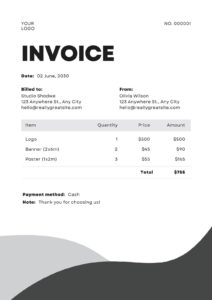
Beyond just materials and labor, a specialized template elevates your professional image. When a client receives an invoice that is neatly organized, clearly itemized, and branded with your company logo, it reinforces the quality and professionalism of your entire service. It shows attention to detail, which is a hallmark of good painting and decorating work. This meticulous approach to invoicing can leave a lasting positive impression, encouraging repeat business and referrals.
Accuracy in billing is paramount to avoid disputes and maintain good client relationships. Overcharging or undercharging, even accidentally, can lead to uncomfortable conversations or financial losses. With a template built for your specific trade, the risk of missing line items or miscalculating costs is significantly reduced. Everything from square footage calculations for painting to per-item charges for decorative elements can be easily entered and automatically tallied, ensuring that the final amount is always correct.
Finally, consider the legal and tax implications. A detailed invoice serves as official documentation of services rendered and payments due or received. For tax purposes, having clear, itemized records is invaluable, making it easier to track income and expenses. A well-structured painting and decorating invoice template helps you maintain these essential records consistently, saving you headaches when it comes time for accounting or audits.
Key Elements Your Template Must Include
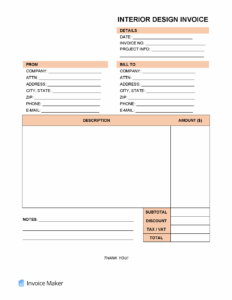
- Your company’s full name, address, phone number, and email.
- Your client’s name, address, and contact information.
- A unique invoice number for easy tracking and reference.
- The date the invoice was issued and the project completion date.
- A detailed breakdown of services provided, including room names, areas painted, or specific decorative tasks.
- An itemized list of all materials used, specifying type, quantity, and unit cost.
- Labor costs, clearly stating hourly rates or project fees, and total hours or days worked.
- Subtotal of all services and materials.
- Any applicable taxes, clearly listed as a separate line item.
- The total amount due.
- Clear payment terms, including due date, accepted payment methods, and any late payment policies.
- Space for notes or special instructions.
Choosing and Customizing Your Painting and Decorating Invoice Template
With the clear advantages of a specialized template, your next step is to choose and customize one that perfectly fits your business. You have a few options: you can find free templates online, invest in invoicing software that offers industry-specific templates, or even create your own using a spreadsheet program. Each option has its merits, but the key is to select a template that is flexible enough to be tailored to your unique services and brand. Free templates are a great starting point for many, providing the basic structure, while dedicated software might offer more advanced features like automated reminders and financial reporting.
Customization is where your painting and decorating invoice template truly becomes an asset. It is not enough for it to just list services; it should reflect your brand identity. Start by adding your company logo prominently at the top. This instantly professionalizes the document and reinforces your brand. You can also adjust the color scheme to match your company’s branding, creating a consistent visual experience for your clients. Beyond aesthetics, ensure you can easily modify field names to perfectly align with the terminology you use in your quotes and daily operations, making it intuitive for both you and your clients.
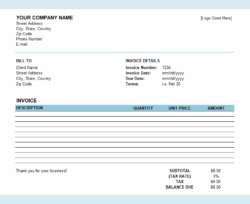
When evaluating templates, look for features that enhance usability. Is it easy to edit line items, add or remove services, and update pricing? Can you save client information for recurring projects? Ideally, your chosen template should be easy to print, convert to a PDF for email, and even integrate with other business tools you might use. The goal is to minimize manual effort and maximize efficiency, freeing up your time to focus on your craft. A template that is clunky or difficult to use will defeat the purpose of streamlining your invoicing process.
Finally, consider how the template can evolve with your business. As you grow, you might offer new services, hire more staff, or expand into different types of projects. Your template should be adaptable, allowing you to easily add new categories for services, materials, or even different payment structures. Investing a little time upfront to choose and customize a robust painting and decorating invoice template will pay dividends in the long run, ensuring your invoicing remains seamless and professional as your business flourishes.
Using a well-designed and industry-specific invoice template is more than just a matter of convenience; it is a strategic business decision. It underpins your professionalism, ensures financial accuracy, and frees up valuable time, allowing you to concentrate on delivering exceptional painting and decorating services. From detailed material breakdowns to clear payment terms, every element contributes to a smooth financial workflow and stronger client relationships.
By embracing a tailored invoicing solution, you are not just sending a bill; you are reinforcing your brand’s commitment to quality and organization. This attention to detail extends beyond the visible work on a wall, reaching into every interaction with your clients and cementing your reputation as a reliable and professional service provider. Ensure your payment requests are as polished and precise as the work you deliver.