Embarking on a job search can feel like navigating a complex maze, and for many aspiring payroll professionals, the cover letter often presents one of the trickiest turns. Fortunately, understanding the elements of a compelling payroll specialist cover letter template can significantly simplify this process. It’s not just about listing your skills; it’s about telling a story that resonates with potential employers and highlights your unique value in a precise and engaging manner.
As a payroll specialist, your role is absolutely vital to any organization’s smooth operation. You are the guardian of accurate compensation, ensuring employees are paid on time, taxes are handled correctly, and all compliance standards are met. This demanding position requires an exceptional eye for detail, strong organizational skills, and a deep understanding of financial regulations. Your cover letter is the perfect opportunity to showcase these critical competencies.
This article aims to guide you through crafting a cover letter that not only grabs attention but also effectively communicates your suitability for the payroll specialist role. We will explore key components, offer practical advice, and help you build a document that stands out from the crowd and makes a lasting impression on hiring managers.
Crafting a Winning Payroll Specialist Cover Letter
When you’re applying for a payroll specialist position, your cover letter isn’t just a formality; it’s a powerful tool to differentiate yourself. Think of it as your first interview, a chance to convey your personality, professionalism, and passion for precision before you even shake hands. A generic template simply won’t cut it. You need a letter that speaks directly to the job description and the company culture.
Tailoring Your Message for Impact
The most crucial step in writing a standout cover letter is customization. Research the company you are applying to. Understand their industry, their values, and if possible, their payroll systems or challenges. Reference specific aspects of the job posting that resonate with your skills and experience. This shows genuine interest and demonstrates that you haven’t just sent out a mass email. For instance, if they emphasize experience with a specific payroll software, make sure to highlight your proficiency with it.
Highlighting Key Skills and Experience
Payroll specialists need a unique blend of technical and soft skills. Your cover letter should clearly articulate your expertise in areas such as tax compliance, ledger reconciliation, benefits administration, and year-end processing. Don’t just state you have an “eye for detail”; provide a brief example of how your meticulousness prevented an error or improved efficiency. Quantifiable achievements, like processing payroll for X number of employees or reducing processing time by Y percent, can be incredibly impactful.
Showcasing Your Software Prowess
In today’s digital landscape, proficiency with payroll software is non-negotiable. Whether it’s ADP, QuickBooks Payroll, Workday, Paychex, or another system, explicitly state your experience. If you have experience with multiple platforms, even better. This immediately signals to the hiring manager that you can hit the ground running and adapt quickly to their existing systems, minimizing the training required.
Emphasizing Confidentiality and Compliance
The payroll function deals with highly sensitive personal and financial information. Employers need assurance that you understand and respect the importance of confidentiality and adherence to legal and ethical standards. Your cover letter is an ideal place to subtly convey your commitment to data security and your thorough understanding of federal, state, and local payroll regulations. Mentioning your proactive approach to staying updated on changing laws can also be a significant plus.
Demonstrating Problem-Solving and Communication
Beyond the numbers, payroll involves troubleshooting discrepancies, answering employee questions, and communicating with various departments. Illustrate how you’ve successfully resolved complex payroll issues or effectively communicated intricate payroll information to non-financial personnel. These real-world applications of your skills truly bring your application to life and paint a picture of a well-rounded professional.
Elements of an Effective Payroll Specialist Cover Letter
While the content is king, the structure of your cover letter plays a significant role in its readability and professional presentation. A well-organized letter ensures that the hiring manager can easily digest your qualifications and quickly grasp why you are an ideal candidate. Think of each section as a building block contributing to a strong, cohesive application.
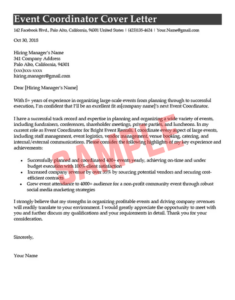
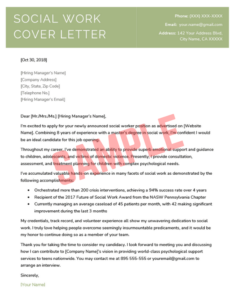
Here’s a breakdown of the essential elements you should include, presented clearly to guide you in structuring your own payroll specialist cover letter template:
- Your Contact Information: At the very top, include your name, phone number, email, and LinkedIn profile link.
- Date: The date you are sending the letter.
- Employer Contact Information: The hiring manager’s name, title, company name, and address. If you don’t have a specific name, use “Hiring Manager” or “Payroll Department.”
- Salutation: A professional greeting, ideally addressing the hiring manager by name (e.g., “Dear Mr. Smith,”).
- Opening Paragraph: Hook the reader by stating the position you’re applying for and where you saw the advertisement. Briefly mention why you are interested in the role and the company, and one or two key qualifications that make you a strong fit.
- Body Paragraphs (2-3): This is where you elaborate on your relevant experience, skills, and achievements. Connect your qualifications directly to the job description requirements. Use examples and quantifiable results whenever possible. This section is where you demonstrate your unique value.
- Closing Paragraph: Reiterate your interest in the position and the company. Express enthusiasm for an interview and include a clear call to action, stating your eagerness to discuss your qualifications further.
- Professional Closing: A polite closing such as “Sincerely,” or “Best regards,”.
- Your Signature: Your typed name below the professional closing.
Remember that each section serves a purpose, guiding the reader through your professional narrative. The opening needs to grab attention, the body needs to convince, and the closing needs to prompt action. A well-structured letter, combined with compelling content, significantly boosts your chances of securing an interview and moving closer to your desired payroll specialist role.
Crafting a compelling cover letter is undoubtedly an investment of your time, but it’s an investment that pays dividends in your job search. By taking the time to customize your message, highlight your most relevant skills, and present yourself professionally, you significantly increase your chances of standing out in a competitive job market. Your dedication to creating an exceptional application reflects the meticulousness and attention to detail that are hallmarks of an outstanding payroll specialist.
Focus on showcasing your unique blend of technical expertise, problem-solving abilities, and commitment to compliance. Let your passion for accurate and efficient payroll processes shine through in every paragraph. A thoughtful, well-written cover letter is not just a document; it’s a powerful advocacy tool that can open doors to exciting career opportunities and help you secure that coveted interview.