Applying for a new teaching position can feel like a daunting task, especially when you are staring at a blank screen trying to figure out how to sell your experience. You have the skills and the passion for education, but putting that into a professional narrative is a different challenge entirely. That is exactly where an english teacher cover letter template becomes your best friend. By using a structured approach, you can ensure that you are hitting all the right notes with school administrators while still letting your unique personality shine through in your writing.
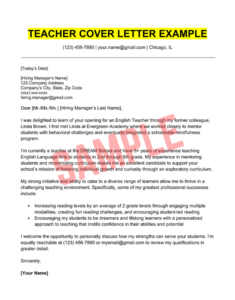
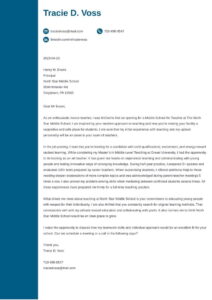
Writing a great application is not just about listing where you have taught before; it is about telling a story that makes the hiring manager want to meet you. You want them to envision you standing in front of their students, inspiring them to read great literature or master complex grammar rules. If you use a reliable english teacher cover letter template, you save yourself the stress of worrying about formatting or flow, allowing you to focus on what really matters, which is explaining why you are the perfect fit for their specific school community.
How to Customize Your Application for Maximum Impact
The biggest mistake many educators make is sending out a generic letter to twenty different schools. While a template provides a fantastic starting point, you absolutely must customize it for every single job opening. Start by researching the school mission statement and identifying the specific language they use to describe their teaching philosophy. When you weave those keywords into your letter, you are signaling to the reader that you have done your homework and are genuinely interested in their particular institution rather than just finding any job.
Beyond mirroring their language, focus on highlighting specific accomplishments rather than just duties. Instead of saying you taught high school literature, describe how you designed a curriculum that boosted student engagement by thirty percent. Use action verbs that showcase your initiative and leadership, such as developed, mentored, organized, or implemented. These small shifts in language change the tone from passive to proactive, which is a trait that principals and department heads are constantly searching for when interviewing new talent.
Structure is another element that makes a huge difference in readability. Keep your paragraphs concise and to the point. A good rule of thumb is to dedicate one paragraph to your teaching style, one to your classroom management philosophy, and one to your extracurricular experience or special certifications. If you have been a teacher for many years, focus on the results you have achieved with student test scores or professional development. If you are a new teacher, focus on your student teaching experiences and your desire to collaborate with veteran faculty members to support student success.
Lastly, do not forget the power of a strong opening and closing statement. Your first paragraph should identify exactly why you are excited about this specific role, while your closing paragraph should be a clear call to action. Mention that you are looking forward to the possibility of an interview and express your enthusiasm for meeting their team. Always keep the tone professional but warm and conversational, as this is the first glimpse they get into how you will communicate with parents, colleagues, and administrators on a daily basis.
Final Tips for Landing Your Dream Role
Proofreading is the final and most critical step in the process. Even the most qualified teachers can be overlooked if their cover letter is riddled with typos or grammatical errors. Since you are applying for a position as an English teacher, the expectations for your written communication are understandably higher. Read your letter out loud to catch awkward phrasing, and consider having a friend or mentor look it over to ensure your voice sounds natural and authentic.
Remember that the cover letter is meant to complement your resume, not repeat it. Your resume provides the facts, such as your education and job history, while your cover letter provides the context and the passion. Use the space to elaborate on your teaching philosophy or to describe a specific moment in your career that defines who you are as an educator. This helps the hiring committee connect with you on a personal level before they even see your application package in person.
Ultimately, be yourself and stay confident in the value you bring to the table. Every school is looking for someone who can help students grow, and your unique perspective is a vital part of that equation. By keeping your message clear, focused, and professional, you are putting yourself in the best possible position to secure an interview. Trust the process, take your time with the editing, and keep your goals in sight as you navigate the competitive landscape of school hiring.
Applying for a job is a marathon, not a sprint, so try to keep a positive outlook throughout the process. Every rejection is just a step closer to the school that is the right fit for your teaching style and personality. If you take the time to refine your approach and ensure your materials are polished, you will find that doors begin to open more frequently. Stay consistent, keep learning from each application, and do not be afraid to reach out to colleagues for advice as you refine your document.
You have put in the work to become a skilled educator, and now it is time to showcase that effectively. Whether you are aiming for a position in a public, private, or international school, the way you present yourself on paper is the gateway to your next big adventure. Take a deep breath, review your materials one last time, and hit that send button with confidence. Your future students are waiting for a teacher just like you, and your next classroom is closer than you might think.