Securing a job in the fast-paced construction industry often requires more than just a solid resume. A well-crafted cover letter serves as your personal introduction, offering insights into your personality, work ethic, and specific qualifications that a resume alone might not convey. It’s your chance to make a powerful first impression, highlighting why you’re the ideal candidate for a demanding role on the job site.
Many job seekers underestimate the importance of this crucial document, often sending generic letters or, worse, none at all. Yet, a targeted cover letter can differentiate you from other applicants, showcasing your genuine interest and attention to detail. This article will guide you through creating an effective cover letter and provide a comprehensive construction worker cover letter template designed to help you stand out.
You’ll learn about the key elements to include, how to tailor your letter for various roles, and discover a customizable template to kickstart your application process. By the end, you’ll be equipped to write a compelling cover letter that opens doors to new opportunities in construction.
Crafting an Impactful Cover Letter for Construction Jobs
Your cover letter is an essential tool in your job search, acting as a bridge between your resume and the hiring manager. It allows you to expand on your experience and demonstrate your enthusiasm in a personal way. Think of it as your first chance to speak directly to the employer, making a strong case for your candidacy.
Understanding the Purpose of Your Cover Letter
A cover letter goes beyond simply restating what’s on your resume. It’s an opportunity to tell your story, share your motivations, and explain why you’re passionate about construction work. This personal touch can make a significant difference, humanizing your application in a competitive field. It lets you highlight soft skills like teamwork, problem-solving, and reliability, which are critical in any construction environment.
Moreover, your cover letter demonstrates your communication skills, which are vital for coordinating with teams and understanding project requirements. Use this space to connect your past experiences directly to the specific job you’re applying for. Show how your unique skills and previous accomplishments align perfectly with the employer’s needs and the challenges of the role.
Key Elements of a Strong Construction Cover Letter
Every effective cover letter shares several core components that ensure clarity and professionalism. Beginning with your contact information and the date establishes a formal tone. You’ll also need the recipient’s name and company address, demonstrating you’ve done your research.
The opening paragraph should immediately state the position you’re applying for and where you learned about the opportunity. Following this, the body paragraphs are where you truly shine, detailing your most relevant skills, experiences, and achievements. Use concrete examples and, where possible, quantifiable results to illustrate your capabilities. Finally, a strong closing paragraph reiterates your interest and includes a clear call to action, encouraging an interview.
Tailoring Your Letter for Different Construction Roles
A one-size-fits-all approach rarely works when applying for construction jobs. Whether you’re an entry-level laborer, an experienced carpenter, or a specialized heavy equipment operator, your letter should reflect the specific demands of the role. Research the company and job description thoroughly to identify key skills and responsibilities.
For instance, an applicant for a site supervisor position might emphasize leadership and project management, while a roofer would focus on specific materials and safety practices. Adapting your language and examples to resonate with the hiring manager’s needs will significantly increase your chances of success. A versatile construction worker cover letter template can be easily modified to suit various positions within the industry.
Sample Construction Worker Cover Letter Template and Guide
Having a clear template provides a strong foundation for your job application. This section offers a structured construction worker cover letter template that you can customize. Remember, personalization is key to making your application memorable and effective.
Deconstructing the Template: Section by Section
Each part of your cover letter serves a distinct purpose, building a compelling narrative about your qualifications. The header ensures all necessary contact details are readily available for both you and the recipient. The salutation sets a professional tone, ideally addressing a specific hiring manager by name.
The introductory paragraph grabs attention, clearly stating your intent and enthusiasm. The body paragraphs are your chance to elaborate on your skills and experience, directly linking them to the job’s requirements. Finally, the closing paragraph summarizes your interest and prompts the next step. Following this structure ensures a logical and persuasive flow throughout your letter.
An Adaptable Construction Worker Cover Letter Template
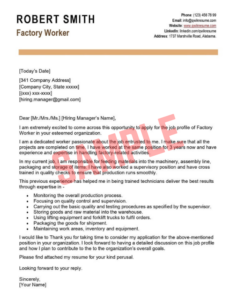
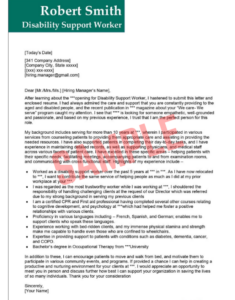
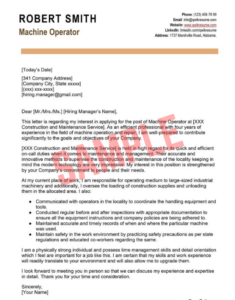
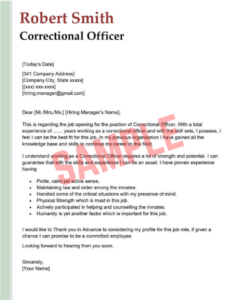
Here is a flexible construction worker cover letter template you can use as a starting point. Fill in the bracketed information with your specific details, ensuring each section highlights your unique strengths and experiences.
[Your Name]
[Your Address]
[Your Phone Number]
[Your Email]

[Date]

[Hiring Manager Name (if known), or "Hiring Team"]
[Hiring Manager Title]
[Company Name]
[Company Address]

Dear [Mr./Ms./Mx. Last Name or Hiring Team],

I am writing to express my keen interest in the [Job Title] position at [Company Name], as advertised on [Platform where you saw the advertisement, e.g., company website, LinkedIn, Indeed]. With [Number] years of hands-on experience in construction and a strong dedication to quality craftsmanship and safety, I am confident I possess the skills and work ethic to be a valuable asset to your team.

Throughout my career, I have consistently demonstrated proficiency in [mention 2-3 key skills, e.g., operating heavy machinery, framing, concrete pouring, site preparation]. For instance, at my previous role with [Previous Company Name], I successfully [mention a specific achievement or project, e.g., completed the framing for a 50-unit residential complex ahead of schedule, consistently maintained a perfect safety record over X years, managed material logistics for a large-scale commercial build]. My ability to work effectively in team environments and adapt to new challenges has been crucial to these successes.

I am particularly drawn to [Company Name]'s reputation for [mention something specific about the company, e.g., innovative building practices, commitment to employee development, focus on sustainable construction]. My commitment to [mention a core value, e.g., safety protocols, efficient project completion] aligns perfectly with your company's values and mission. I am eager to bring my practical skills and proactive approach to contribute to your upcoming projects.

Thank you for considering my application. I have attached my resume for your review and welcome the opportunity to discuss how my qualifications can benefit [Company Name] in more detail. I am available for an interview at your earliest convenience.

Sincerely,
[Your Name]
Essential Tips for Your Construction Job Application
Beyond the actual content, presentation and follow-through are crucial for a successful job application. Small details can leave a lasting impression on a potential employer. Ensuring every aspect of your application is polished reflects your professionalism and attention to detail.
Proofreading and Professionalism
Before submitting your cover letter, always proofread it meticulously. Typos or grammatical errors can undermine your credibility, suggesting a lack of care or attention. Read your letter aloud to catch awkward phrasing, and consider asking a trusted friend or colleague to review it for any mistakes.
Additionally, always save your cover letter as a PDF file before sending it. This preserves your formatting and ensures it looks consistent regardless of the recipient’s device or software. A neatly formatted and error-free document demonstrates your professionalism, which is highly valued on any construction site.
Highlighting Safety and Certifications
In the construction industry, safety is paramount. Your cover letter is an excellent place to emphasize your commitment to workplace safety and any relevant certifications you hold. Mentioning OSHA certifications, first aid training, or specific equipment operation licenses can significantly boost your application.
This not only demonstrates your competence but also reassures employers that you understand and prioritize site safety protocols. Showing a proactive approach to safety can set you apart, indicating you are a responsible and reliable team member ready to contribute positively to the work environment.
Following Up After Submission
Once you’ve submitted your application, a polite follow-up can reinforce your interest without being pushy. If the job posting specified a timeline, wait until after that period. Otherwise, a week to ten days after submission is generally appropriate. A brief email expressing your continued interest and reiterating your enthusiasm for the position is often sufficient.
This proactive step shows your initiative and keeps your application top-of-mind for the hiring manager. It also provides another opportunity to briefly highlight why you are a great fit for the role, demonstrating your continued commitment to joining their team.
Crafting an outstanding cover letter is a vital step toward landing your next construction job. By utilizing a strong construction worker cover letter template, you can effectively showcase your skills, experience, and commitment to the trade. Remember to personalize each letter to the specific role and company, emphasizing your unique contributions and dedication to safety and quality.
Taking the time to refine your application materials demonstrates your professionalism and sets you apart in a competitive field. Use the provided template as a guide, infuse it with your personal career narrative, and take confident steps toward building your future in construction.