Landing your dream job as a building surveyor requires more than just a strong CV; it demands a compelling cover letter that highlights your unique skills and passion. A well-crafted cover letter is your first opportunity to make a memorable impression on potential employers, setting you apart from other candidates. It acts as a crucial introduction, explaining why you are the perfect fit for the specific role and company.
Many aspiring building surveyors often struggle with starting this important document, unsure how to structure their thoughts or what key details to include. This is where a robust cover letter template for building surveyor can be an invaluable tool. It provides a clear framework, helping you articulate your qualifications and enthusiasm effectively. By following a proven structure, you can ensure all essential information is presented professionally and persuasively.
This article will guide you through the process of creating an outstanding cover letter. We’ll explore the essential elements that make an application stand out, provide practical tips for tailoring your message, and present a comprehensive cover letter template for building surveyor to streamline your job search. Get ready to elevate your application and secure those interviews.
Crafting an Impactful Building Surveyor Cover Letter
A powerful cover letter goes beyond simply repeating the information found in your CV. It’s an opportunity to tell your story, showcasing your understanding of the role and the company’s values. Recruiters spend only a few seconds scanning applications initially, so making every word count is vital for success in the competitive property and construction sector.
This personalized touch demonstrates your genuine interest and professionalism. It helps hiring managers connect your background with their specific needs, painting a picture of how you can contribute to their team from day one. Understanding these nuances is crucial for any professional seeking advancement in surveying.
Tailoring Your Application for Specific Surveying Roles
One of the most common mistakes job seekers make is sending generic cover letters. Instead, thoroughly research the company and the specific job description before you start writing. Identify key responsibilities, required skills, and the company’s culture. For example, a role focused on dilapidations will require a different emphasis than one centered on pre-acquisition surveys.
Use this research to customize your cover letter, directly addressing how your experience aligns with their needs. Mention specific projects or achievements that demonstrate your proficiency in the areas they prioritize. This level of customization shows initiative and a deep understanding of the building surveying profession. A tailored letter significantly increases your chances of getting noticed in a pile of applications.
Highlighting Relevant Experience and Skills
Building surveying is a diverse field, requiring a blend of technical expertise, problem-solving abilities, and strong communication skills. Your cover letter should clearly articulate how your past roles and qualifications have equipped you for the challenges of the position. Think about specific examples that illustrate your capabilities.
For instance, if the job description mentions condition surveys, describe your experience conducting detailed property inspections and preparing comprehensive reports. If project management is key, highlight your involvement in overseeing construction defects or advising on feasibility studies. Quantify your achievements whenever possible to add weight to your claims, such as “managed projects worth over £X” or “reduced client risk by Y%.”
- Mention specific surveying software proficiency.
- Detail experience with different property types (residential, commercial, industrial).
- Highlight RICS qualifications or ongoing professional development.
- Showcase client management and communication skills.
- Provide examples of successful problem-solving or dispute resolution.
Key Components of a Successful Application for Surveying Roles
An effective cover letter follows a logical structure that guides the reader through your professional narrative. From the initial greeting to your final call to action, each section plays a crucial role in building a compelling case for your candidacy. Adhering to professional standards ensures your application is taken seriously.
A well-organized letter conveys professionalism and attention to detail, qualities highly valued in building surveying. By meticulously crafting each part, you can ensure your message is clear, concise, and persuasive. This systematic approach will empower you to create a document that truly resonates with hiring managers.
Structuring Your Professional Introduction
Start with a professional salutation, addressing the hiring manager by name if possible. If the name isn’t available, use a general but formal title like “Dear Hiring Manager” or “Dear [Company Name] Recruitment Team.” In your opening paragraph, clearly state the position you are applying for and where you saw the advertisement.
Follow this with a concise statement explaining your enthusiasm for the role and the company. This initial hook should immediately capture the reader’s attention and compel them to continue reading. For instance, “I am writing to express my keen interest in the Building Surveyor position at [Company Name], as advertised on [Platform], and am particularly drawn to your reputation for [specific company achievement or value].”
Showcasing Your Unique Value Proposition
The body of your cover letter is where you connect your skills and experience directly to the job requirements. This section typically comprises two to three paragraphs. Each paragraph should focus on a different aspect of your expertise, supported by concrete examples. For a building surveyor, this might include your technical knowledge, project management capabilities, or client liaison skills.
Emphasize how your contributions can benefit the company. Don’t just list what you’ve done; explain the impact of your work. For example, instead of saying “I performed condition surveys,” say “My comprehensive condition surveys identified critical structural issues early, saving clients significant repair costs.” This demonstrates value rather than just activity.
The Call to Action and Professional Closing
Conclude your cover letter with a polite and confident call to action. Reiterate your interest in the role and express your eagerness for an interview to discuss how your qualifications align with their needs. Thank them for their time and consideration. A strong closing reinforces your professionalism.
Use a formal closing such as “Sincerely” or “Regards,” followed by your full name. Ensure all your contact information (phone number, email, LinkedIn profile) is clearly visible on your CV, which will accompany your cover letter. This makes it easy for the recruiter to reach out to you for the next steps in the hiring process.
Sample Cover Letter for Aspiring Building Surveyors
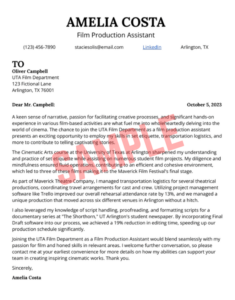
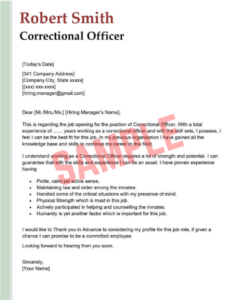
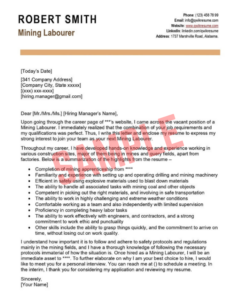
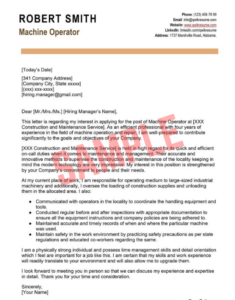
This cover letter template for building surveyor offers a solid foundation for your application. Remember to customize it with your specific details, experiences, and research about the target company and role.
[Your Name]
[Your Address]
[Your Phone Number]
[Your Email Address]

[Date]

[Hiring Manager Name (if known), or "Hiring Team"]
[Hiring Manager Title]
[Company Name]
[Company Address]

Dear [Mr./Ms./Mx. Last Name or Hiring Team],

I am writing to express my enthusiastic interest in the Building Surveyor position at [Company Name], as advertised on [Platform where you saw the advertisement]. With my [Number] years of experience in building pathology and project management, coupled with my RICS accreditation, I am confident I possess the skills and dedication to contribute significantly to your esteemed team. I am particularly impressed by [Company Name]'s commitment to [mention a specific company value, project, or achievement].

During my previous role at [Previous Company Name], I was responsible for conducting a diverse range of building surveys, including pre-acquisition and dilapidations surveys, across various commercial and residential properties. My analytical approach ensured accurate identification of construction defects and structural issues, leading to informed decisions for clients. For example, I successfully managed a portfolio of [Number] projects, providing expert advice on remedial works and ensuring compliance with industry standards and regulations.

My experience extends to preparing detailed technical reports, managing client relationships, and collaborating effectively with contractors and stakeholders. I am proficient in [mention 1-2 specific software or technical skills, e.g., AutoCAD, property management software, drone surveying], and I continuously seek to enhance my knowledge of evolving building regulations and sustainable practices. I thrive in dynamic environments and am adept at managing multiple projects while maintaining high standards of quality and efficiency.

I am eager to bring my proven expertise and proactive approach to [Company Name]. Thank you for considering my application. My CV, attached for your review, provides further detail on my qualifications and achievements. I look forward to the opportunity to discuss how my skills and experience align with your team's needs in an interview.

Sincerely,
[Your Name]
A well-crafted cover letter serves as your professional handshake, introducing you and setting the stage for your CV. By utilizing this cover letter template for building surveyor and adapting it to each unique opportunity, you are not just applying for a job, but actively demonstrating your potential value. Taking the time to personalize your application truly makes a difference in a competitive market.
Remember that while templates provide a strong starting point, your authentic voice and specific examples are what truly make your application memorable. Focus on demonstrating a clear understanding of the role and how your unique capabilities align with the employer’s needs. A thoughtful and well-articulated cover letter can be the key to unlocking your next career advancement in building surveying.