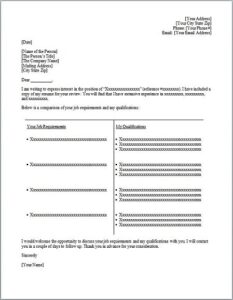
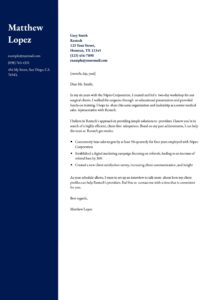
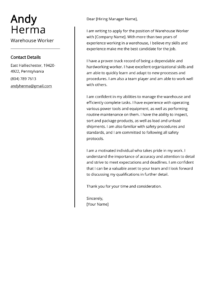
Finding a new job is often an overwhelming process, especially when you are staring at a blank screen trying to figure out how to sell yourself. You have the skills and the history, but putting that into a professional narrative can feel daunting. Using a solid work experience cover letter template can make a massive difference in how quickly you get through the screening process. It provides you with a reliable structure that ensures you hit all the important points without rambling or missing key qualifications that recruiters are scanning for.
Think of your cover letter as your personal pitch rather than just a summary of your resume. While your resume covers the facts and dates of your career, your cover letter is where you connect the dots between your past achievements and your future value to the company. When you leverage a proven layout, you can spend less time worrying about formatting and more time customizing your message to fit the specific role you are chasing. It turns a stressful chore into a straightforward task that showcases your professionalism from the very first sentence.
How to Customize Your Letter for Better Results
The secret to a successful application is personalization. Even when you are using a template, you should never just copy and paste the same text for every job you apply to. Start by carefully reviewing the job description to identify the top three requirements the employer is looking for. Once you have identified those, weave specific examples of your past work experience into your letter that directly address those requirements. This shows the hiring manager that you have actually read their requirements and are not just sending out mass applications.
Structure is your best friend when it comes to readability. Most recruiters only spend a few seconds scanning your document before deciding whether to read it in full. Start with a strong hook in your opening paragraph that explains why you are excited about this specific opportunity. Follow this up with one or two paragraphs that provide concrete examples of how your previous professional experience translates to the tasks required in the new role. Keep your sentences concise and professional to ensure your core message is not lost in fluff.
Avoid the trap of simply repeating your resume in paragraph form. Instead, use your cover letter to tell a story about a specific challenge you faced and how you overcame it using your unique set of skills. Quantifiable results are incredibly powerful here. For example, instead of saying you managed a team, mention that you led a team of ten that increased quarterly sales by fifteen percent. These specific data points help the reader visualize exactly what you could bring to their team if you were hired.
Finally, always close with a call to action. You want to leave the hiring manager with a clear understanding of what happens next. A polite, confident sign-off thanking them for their time and inviting them to contact you for an interview goes a long way. Make sure you check for any grammatical errors or typos before you hit send. Even the best template can be undermined by small mistakes that suggest a lack of attention to detail, so take a final moment to proofread your work before submitting it.
Refining Your Professional Tone
Finding the right balance between being professional and showing personality is essential. You want to sound like someone who is capable and serious about their career, but you also want to be likable and easy to work with. Avoid overly stiff language that makes you sound like a robot. Instead, aim for a conversational yet respectful tone that reflects the culture of the industry you are entering. If the company is a modern startup, you can afford to be a bit more casual, while a law firm or financial institution will require a much more traditional approach.
Your opening and closing lines should be polished, but the middle sections are where you should focus on flow and clarity. If your paragraphs are looking too long, break them up into smaller chunks or use bullet points to highlight your achievements. Bullet points are a fantastic way to draw the eye to your biggest wins without overwhelming the reader with walls of text. This technique makes your letter much more skimmable and increases the likelihood that a busy hiring manager will actually read all the way to the end.
Remember that the goal of your letter is to get an interview, not to tell your entire life story. Keep it focused on the future and how you are prepared to solve the company’s current problems. By sticking to this strategy and keeping your writing tight and relevant, you will naturally distinguish yourself from other candidates who are sending generic letters. Consistency in your branding and a focus on value will always lead to better outcomes in your job search journey.
Ultimately, landing your dream job is about showing you are the missing piece of the puzzle. By using a work experience cover letter template to organize your thoughts, you can ensure your message is clear, persuasive, and perfectly aligned with the needs of the employer. It is a simple tool that helps you project confidence and competence every single time you hit the apply button.
Do not be afraid to iterate on your process as you learn what works best for your specific industry. Over time, you will find your unique voice and develop a workflow that makes each application feel less like a hurdle and more like an opportunity to grow. Keep your head up, stay organized, and trust that your dedication to quality will lead you to the right role for your career path.