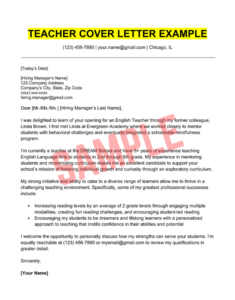
Taking time away from the workforce is becoming increasingly common, whether it is for travel, family commitments, education, or simply recharging your batteries. However, when you decide to jump back into the professional world, the prospect of explaining that gap on your application can feel a bit daunting. That is exactly why having a solid career break cover letter template in your toolkit is a game-changer. It allows you to frame your time off as a period of growth rather than a period of stagnation, helping you land that interview despite the absence on your resume.
Most employers are far more understanding of career gaps than they were a decade ago. They are often looking for someone who has maintained their enthusiasm and is ready to hit the ground running. By using a professional and proactive approach, you can turn your narrative around. Instead of apologizing for your time away, you should focus on the transferable skills you gained or refreshed during your hiatus. Let us look at how you can effectively structure your cover letter to bridge that gap with confidence and clarity.
How to Frame Your Career Break for Success
The secret to a great cover letter after a career break is honesty paired with a forward-thinking attitude. You do not need to provide every minute detail of your personal life, but you should address the gap directly so the recruiter does not have to guess. Keep it brief, professional, and then pivot quickly back to why you are the perfect fit for the specific role you are targeting. Your goal is to show that your time off was a conscious choice that has ultimately made you a more rounded and motivated candidate.
When you sit down to write, think about the skills you kept sharp during your break. Did you volunteer, take online courses, manage a household budget, or perhaps work on a side project? These activities demonstrate that you never truly stopped developing. Mentioning these accomplishments helps to reassure the hiring manager that you are still up to date with your industry and are ready to tackle new challenges. Being prepared is the main reason why utilizing a career break cover letter template is so effective, as it keeps your messaging concise and professional.
If you are struggling to find the right words, consider these key elements to include in your structure:
- An opening that highlights your passion for the industry and your excitement about the company.
- A brief, clear statement explaining the nature of your career break without oversharing personal details.
- A paragraph detailing how you stayed engaged with your field, such as certifications, networking, or volunteering.
- A strong closing statement that links your previous experience to the requirements of the job description.
Remember that your cover letter is essentially a bridge between your past experience and your future potential. Recruiters appreciate a candidate who can explain their history with confidence. By framing your break as a productive time for personal or professional development, you change the narrative from one of absence to one of value. When you approach the application process with this mindset, your gap stops being a hurdle and starts being just another chapter in your professional journey.
Tips for Staying Positive and Confident
One of the biggest hurdles during a job hunt after a break is managing your own internal monologue. It is easy to feel like you have lost your edge, but the reality is that your experience and wisdom remain intact. Focus on the value you have provided in previous roles and remember that companies hire based on the contribution you can make today. Keep your tone enthusiastic and show that you have done your research on the company, as this level of engagement often matters much more to a hiring manager than the exact dates on your resume.
Networking can also play a huge role in normalizing your re-entry. Reach out to former colleagues or mentors to let them know you are looking for new opportunities. Often, a personal connection is the best way to get your resume in front of the right person, and it can help ease the transition back into a full-time schedule. Do not be afraid to be open about your desire to return to the workforce; many people have been in your exact position and are usually happy to offer advice or share leads.
Finally, practice your elevator pitch so you can explain your career break in person just as well as you do in writing. When you can talk about your time off calmly and confidently, it signals to the interviewer that you have nothing to hide and are fully committed to your next step. Stay patient with the process, keep tailoring your materials, and remember that the right employer will value your unique life experience and the perspective you bring to their team.
Returning to work is a significant milestone, and it is natural to feel a mix of excitement and nerves. By staying organized and focusing on the contributions you are prepared to make, you can navigate this transition with grace. Trust your professional background and use the resources available to ensure your application reflects the strong candidate you truly are today.
You have a wealth of experience that is waiting to be utilized again. Keep your head high, refine your narrative, and continue applying with the knowledge that your career break has only added to your story. There is a perfect role out there waiting for someone with your specific blend of skills, maturity, and renewed enthusiasm for the work ahead.