Finding a job in finance can often feel like a numbers game, but your application materials should never feel like a robotic calculation. When you are looking to advance your career, having a reliable staff accountant cover letter template can be the secret weapon that helps you stand out in a sea of resumes. It is about more than just filling in the blanks on a page; it is about crafting a narrative that connects your technical expertise with the specific financial goals of the company you want to join. A well-structured letter shows that you are not just a person who can balance a ledger, but a professional who understands the bigger picture of business operations.
Most hiring managers spend only a few seconds glancing at an application before deciding whether to move forward. This means your opening needs to be sharp and your message needs to be clear from the very first sentence. While your resume provides a chronological list of where you have been, your cover letter provides the context of why you are the best person for the future of the firm. It is your opportunity to speak directly to the hiring team and address the pain points they might be experiencing in their accounting department, such as messy month-end closes or compliance hurdles.
Think of this document as your first professional deliverable. In the world of accounting, precision and presentation are everything. If your letter is disorganized or full of generic fluff, a recruiter might worry that your financial reports will look the same way. By taking the time to personalize your approach, you demonstrate a level of care and attention to detail that is essential for any staff accountant role. It shows that you are proactive and that you have done your homework on the organization, which immediately builds trust before you even walk through the door for an interview.
What Makes a Staff Accountant Cover Letter Stand Out
The first thing to consider when writing is the balance between your technical skills and your soft skills. Many candidates make the mistake of simply repeating their resume in paragraph form. Instead, you should focus on the impact of your work. For example, instead of saying you performed accounts payable tasks, you could explain how you streamlined the vendor payment process to take advantage of early payment discounts. This shift in perspective shows that you are focused on adding value to the company bottom line rather than just completing a list of daily chores.
Your introduction should immediately establish your enthusiasm and your most relevant qualification. You want to bridge the gap between your current experience and the job description. If the company is looking for someone with heavy experience in a specific industry like manufacturing or tech, make sure that is front and center. Use professional yet conversational language to describe your journey, making it easy for the reader to visualize you as a member of their existing team. A friendly but formal tone usually works best in the accounting field.
Highlighting Technical Skills and Software
In the modern accounting landscape, your proficiency with technology is just as important as your knowledge of GAAP principles. Whether you are an expert in Excel using VLOOKUPs and pivot tables or you have extensive experience with ERP systems like NetSuite, SAP, or Sage, these details need to be highlighted. Don’t just list the software; mention a specific instance where your technical skill solved a problem. Perhaps you automated a manual reporting process that saved the team several hours each week during the month-end close.
Furthermore, you should discuss your experience with financial reporting and internal controls. If you have played a role in assisting with external audits or maintaining compliance with tax regulations, these are significant talking points. Employers want to know that they can trust you with their sensitive financial data. Describing your commitment to accuracy and your methodical approach to reconciling accounts will give the hiring manager peace of mind that their books will be in safe hands with you.
Showing Your Soft Skills and Cultural Fit
While the numbers are the core of the job, communication is the glue that holds an accounting department together. Staff accountants often have to explain complex financial data to non-finance colleagues. Use your cover letter to demonstrate that you can translate these concepts into actionable insights. Mentioning your ability to work collaboratively within a team or your experience in presenting findings to management can set you apart from other candidates who might only focus on the data entry aspect of the role.
Finally, address the culture of the company. Every firm has a different vibe, from fast-paced startups to established corporate environments. Research the company mission and values, then weave those themes into your writing. If the company prizes innovation, talk about how you look for ways to improve existing workflows. If they value stability and tradition, emphasize your reliability and your respect for established protocols. Showing that you have done this research proves that you are genuinely interested in them, not just any job that is available.
Using a Staff Accountant Cover Letter Template Correctly
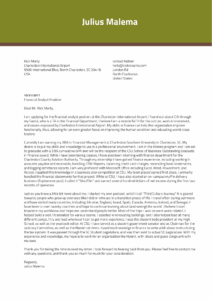
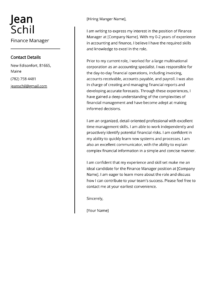
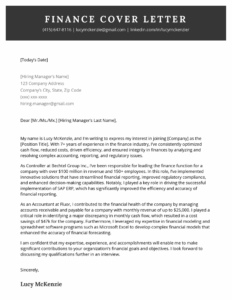
Once you have a solid staff accountant cover letter template to work from, the most important step is customization. A template is a guide, not a finished product. You should swap out specific keywords to match the job posting and ensure that the company name and the hiring manager’s name are correct. Using a generic greeting like To Whom It May Concern is often a missed opportunity; if you can find the name of the controller or the HR manager, use it to create an immediate personal connection.
As you move through the template, check for consistency in your formatting. The font and style should match your resume to create a cohesive personal brand. It is also vital to keep your writing concise. A cover letter should rarely exceed one page. If a paragraph feels too long, try breaking it up or removing unnecessary adjectives. In accounting, brevity is often seen as a sign of clarity and professional maturity. Here are some essential elements that every good template should include:
- Full contact information for both you and the employer
- A professional salutation that addresses a specific person if possible
- An opening paragraph that states the role you are applying for and why
- A middle section focused on specific achievements and technical skills
- A paragraph explaining why you are interested in this specific company
- A call to action inviting the recruiter to contact you for an interview
- A professional closing like Sincerely or Best Regards
Before you hit the send button, read your letter out loud. This is one of the best ways to catch awkward phrasing or typos that your eyes might have skipped over. Since accountants are expected to have a high level of attention to detail, a single spelling error can be a major red flag. If possible, have a friend or a mentor look it over as well. A fresh set of eyes can often provide valuable feedback on whether your tone sounds confident and professional or if it needs a bit more polish.
Landing your next role requires a combination of the right skills and the right presentation. By utilizing a clear structure and focusing on the value you bring to a potential employer, you turn a standard application into a compelling argument for your candidacy. Remember that the goal of the letter is to get the reader excited to look at your resume and eventually meet you in person. Stay focused on your accomplishments and keep your tone helpful and solution-oriented throughout the process.
As you continue your job search, keep refining your approach based on the responses you receive. Every application is a learning experience that helps you better understand what employers in your area are looking for. With a strong foundation and a personalized touch, you will be well on your way to securing a staff accountant position that aligns with your career goals. Good luck with your application, and remember that your unique professional story is your greatest asset in the hiring process.