Landing your dream job in the sports world starts with a solid application that captures the attention of hiring managers or athletic directors. Whether you are looking to work with a professional football team, a collegiate program, or a local high school, having a professional athletic training cover letter template is the first step toward getting that all-important interview. It is not just about listing your certifications or your education; it is about telling the story of how you keep athletes safe, healthy, and performing at their absolute peak while under your care.
The sports industry is incredibly competitive, and often, the difference between two equally qualified candidates comes down to the way they present themselves on paper. You might have the best clinical skills in the world, but if your cover letter is generic or lacks a personal touch, it may never get read. You need to bridge the gap between your resume and the specific needs of the organization you want to join. This means showcasing your personality alongside your technical proficiency in injury prevention and rehabilitation.
In this guide, we are going to dive deep into what makes a cover letter stand out in the athletic training field. We will explore how to structure your thoughts, what key skills to highlight, and how to use a template as a starting point while still letting your unique voice shine through. By the time you finish reading, you will have a much clearer idea of how to position yourself as an indispensable asset to any sports medicine team or athletic department.
The Essential Components of a Winning Athletic Training Application
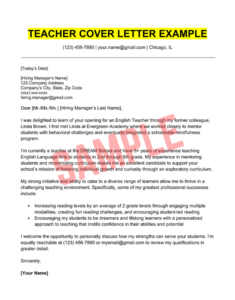
When you start drafting your letter, you have to think about the reader. Usually, an athletic director or a head athletic trainer is looking for someone they can trust. Your first paragraph should set the stage by expressing your genuine interest in the specific program. Don’t just say you want the job; explain why you want to work with their specific athletes and how your philosophy aligns with their team culture. This initial connection is what keeps the reader engaged and moving through the rest of your document.
Moving into the body of your letter, you need to talk about your clinical experience in a way that feels active and results-oriented. Instead of saying you performed treatments, talk about how you implemented evidence-based protocols to reduce injury recurrence rates among basketball players or how you managed an emergency situation during a high-stakes competition. This shows that you are not just a passive observer but a proactive healthcare professional who can handle the pressure of live sports environments.
Highlighting Clinical Skills and Certifications
While your resume covers your credentials, your cover letter is the place to give them context. You should mention your BOC certification and any state licenses, but also talk about specialized skills like manual therapy, therapeutic exercise design, or concussion management. If you have experience with specific technology like electronic medical records or wearable athlete-tracking systems, this is the place to mention how those tools have helped you improve athlete outcomes and communication with the coaching staff.
The relationship between an athletic trainer and the coaching staff is a delicate balance of communication and trust. You should spend a paragraph discussing how you collaborate with coaches to ensure player safety without compromising the team’s competitive goals. Explain your approach to return-to-play decisions and how you communicate medical updates to non-medical personnel in a way that is clear, professional, and HIPAA-compliant. This demonstrates that you understand the organizational dynamics of a sports team.
Focusing on Soft Skills and Athlete Advocacy
Beyond the tape and the ice packs, athletic training is a people-centric profession. You are often the person an athlete turns to when they are at their lowest point due to a season-ending injury. Discussing your ability to provide emotional support and build rapport with diverse populations shows that you care about the whole person, not just the injury. This empathy is a highly valued trait that sets apart great athletic trainers from those who just go through the motions.
Finally, your closing should be a strong call to action. Reiterate your enthusiasm for the position and express your desire to discuss how your background can contribute to the success of their athletic program in person. Keep it professional, thank them for their time, and make sure your contact information is easily accessible. A confident finish leaves a lasting impression that you are a serious professional ready to step into the role and make an immediate impact on day one.
Why Customization is Your Secret Weapon
Using an athletic training cover letter template is a fantastic way to ensure you don’t miss any critical sections, but the real magic happens when you customize it for every single application. Hiring managers can spot a copy-paste job from a mile away, and it often signals a lack of genuine interest in the role. Take the time to research the school or clinic’s recent achievements, their core values, or any specific challenges they might be facing. When you mention these details, it proves you have done your homework and are truly invested in joining their specific team.
Customization also allows you to address the specific requirements listed in the job description. If the posting emphasizes experience with overhead athletes like baseball or volleyball players, make sure your letter reflects your expertise in those specific mechanics. If they are looking for someone to lead an internship program, highlight your mentorship experience. Aligning your narrative with their needs makes it easy for the recruiter to see you as the perfect fit for the job rather than just another name in the pile.
Before you hit send, there are a few final checks you should perform to ensure your letter is polished and professional. Mistakes in spelling or grammar can be a major red flag in a profession where attention to detail is literally a matter of life and safety. Here are a few things to keep in mind as you finalize your document:
- Ensure the name of the hiring manager and the organization is spelled correctly.
- Double-check that you have mentioned the correct job title for the specific position.
- Read the letter out loud to check the flow and conversational tone.
- Verify that your contact information matches what is on your resume.
- Make sure you have clearly stated your availability for an interview or a follow-up call.
The process of finding the right position in the athletic training field can be a long journey, but your cover letter is the tool that opens the door. It serves as your personal introduction, allowing you to showcase the passion and expertise that a simple list of facts on a resume cannot convey. By focusing on your unique experiences, your commitment to athlete health, and your ability to work within a team, you set yourself up for long-term success in this rewarding career.
Remember that every letter you write is an opportunity to refine your professional voice. Even if you do not get the first job you apply for, the practice of articulating your value will make you a stronger candidate for the next one. Stay persistent, keep your template handy for structure, and always lead with your dedication to the athletes you serve. Your career in sports medicine is just beginning, and a well-crafted letter is the key to reaching your professional goals.