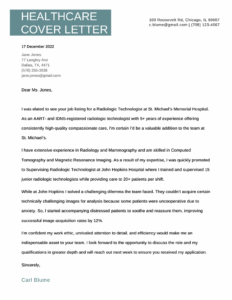
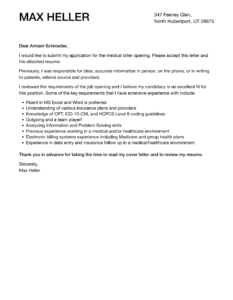
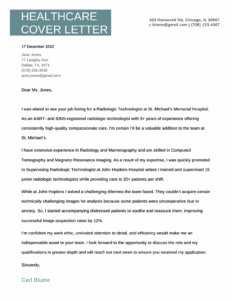
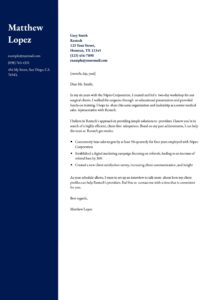
Landing a job in the healthcare sector can feel like a daunting task, especially when you are trying to convey your genuine passion for helping others on a single sheet of paper. Finding the right health care assistant cover letter template is often the first step toward making that process a whole lot smoother. It gives you a solid foundation so you can focus on the most important part which is telling your unique story and showing the hiring manager that you are the compassionate professional they need for their team. When you have a structure to follow, you can spend more time thinking about your experiences rather than worrying about where the margins should go or how to address the recruiter.
We often forget that a cover letter is not just a formal requirement but a real opportunity to speak directly to the person making the hiring decisions. In a field like healthcare, where soft skills like empathy and patience are just as vital as technical knowledge, your letter serves as a window into your personality. It bridges the gap between the list of dates on your resume and the living, breathing person who will be interacting with patients daily. By using a template as a guide, you ensure that you do not miss any critical information while still leaving room for your own voice to shine through.
The goal is to create a document that feels both professional and deeply personal. You want the reader to feel your dedication to patient care from the very first sentence. Whether you are an experienced professional or someone looking to break into the industry for the first time, having a plan for your writing will help you stay organized. Let us dive into how you can construct a narrative that highlights your strengths and proves that you are the perfect fit for the role you are eyeing.
How to Structure Your Healthcare Assistant Cover Letter
When you start writing, think of your cover letter as a story with a beginning, a middle, and an end. The beginning should immediately grab the reader’s attention by stating exactly which role you are applying for and why you are excited about it. Mentioning the specific facility or hospital name shows that you have done your homework and are not just sending out mass applications. This initial connection sets the tone for the rest of the letter and makes the hiring manager feel like you are genuinely interested in joining their specific community.
The middle section is where you get to show off your skills and experience. Instead of just listing what you have done, try to explain how your actions made a difference. If you helped improve the comfort of elderly residents in a previous role, talk about the specific techniques you used or the feedback you received from families. This adds a layer of credibility that a simple list of duties cannot match. It transforms your application from a piece of paper into a compelling case for your employment.
Highlighting Your Compassion and Patience
In the world of healthcare assistance, your ability to remain calm and kind under pressure is your greatest asset. Use a paragraph to talk about a time when you went above and beyond for a patient. Maybe you stayed a few minutes late to talk someone through a difficult morning or perhaps you were the one who noticed a small change in a patient’s behavior that led to better care. These anecdotes are powerful because they demonstrate your observational skills and your commitment to the well-being of those in your charge.
Recruiters are looking for people who understand that being a health care assistant is about more than just checking boxes on a medical chart. It is about human connection and providing dignity to people when they are at their most vulnerable. If you can communicate that you truly enjoy the social aspect of caregiving, you will immediately stand out from candidates who only focus on the clinical requirements. Your warmth should be palpable in your writing style.
Connecting Your Experience to the Role
It is also important to address the technical side of the job. Mention any certifications you hold, such as first aid training or specialized care qualifications, but always link them back to how they help you perform better. For instance, if you have a certificate in manual handling, explain how that ensures you can move patients safely and comfortably. This shows that you understand the practical application of your training and that you prioritize patient safety above all else.
Finally, you want to bring the focus back to the employer. Mention one or two things about their specific organization that resonate with you. Maybe they have a reputation for excellent palliative care, or perhaps they are known for their innovative approach to rehabilitation. By aligning your personal values with their mission statement, you demonstrate that you will be a cultural fit for the team. This kind of research proves that you are a serious candidate who is looking for a long-term home rather than just any job.
Using a Health Care Assistant Cover Letter Template Effectively
Using a health care assistant cover letter template is a great way to save time, but the trick is to make sure it does not sound like a template when you are finished. You should use the structure to guide your thoughts, but the words themselves need to be your own. Avoid using overly formal or robotic language that sounds like it was generated by a computer. Instead, write as if you were talking to a respected colleague. This conversational tone makes you seem more approachable and confident, which are key traits for anyone working in a support role.
One common mistake people make is following a template so closely that they forget to remove the placeholder text or fail to update the company name. Always double-check every detail before you save your document as a PDF. Look for areas where you can inject more of your personality. If you have a specific philosophy on care or a reason why you chose this career path, do not be afraid to mention it. Those personal touches are what make a hiring manager remember your name at the end of a long day of reviewing applications.
Remember that your cover letter is the first impression you make. It should be clean, well-organized, and easy to read. Use short paragraphs and clear headings if necessary to guide the reader’s eye. If you are struggling with what to include, think about the three things you want the employer to know about you most. Ensure those three points are emphasized clearly. By the time they finish reading, they should have a clear picture of who you are and why they need to bring you in for an interview.
As you wrap up your writing, take a moment to read the whole letter out loud. This is the best way to catch awkward phrasing or sentences that are too long. You want the rhythm of the writing to be smooth and engaging. If you find yourself tripping over certain words, simplify them. The goal is clarity and connection, not showing off an extensive vocabulary. Once you are happy with the flow, you can feel confident that you have put your best foot forward.
Taking the time to craft a thoughtful application is an investment in your future. Even if it takes a little longer than you anticipated, the results will be worth it when you receive that call for an interview. You have the skills and the heart for this profession, and now you have a document that reflects that reality. Good luck with your job search, and remember that your dedication to helping others is a truly valuable gift to the healthcare community.