Finding a career that allows you to give back to your community is incredibly rewarding, but the process of actually landing that job can feel a bit overwhelming. Whether you are looking to work in social work, mental health support, or community outreach, your first impression often comes down to a single piece of paper. This is why having a reliable human services cover letter template is so important. It gives you a solid foundation to build upon so that you can focus on expressing your genuine desire to help others rather than worrying about where to put your contact information or how to structure your paragraphs.
In the world of human services, employers are looking for more than just a list of previous jobs and degrees. They are looking for a specific type of personality that combines professional competence with deep empathy and resilience. A well-crafted cover letter serves as your personal introduction, allowing you to tell the story of why you do what you do. It bridges the gap between your resume and the actual person who will be sitting in the interview chair, showing that you understand the challenges and the beauty of working with vulnerable populations.
Using a template does not mean your letter should feel robotic or generic. In fact, the best way to use a guide is to treat it as a skeleton that you flesh out with your own unique experiences and voice. By following a proven structure, you ensure that you do not miss any critical details that hiring managers expect to see. This approach allows you to spend more time thinking about the specific impact you have had in your previous roles and how those skills will translate to the new agency you are hoping to join.
How to Tell Your Story Effectively
When you sit down to write your cover letter, the first thing you should think about is your motivation. In human services, the why is often just as important as the what. Employers want to know what drives you to show up every day, especially in a field that can be emotionally demanding. Use your opening paragraphs to establish a connection with the mission of the organization. If the agency focuses on youth advocacy, talk briefly about your passion for empowering the next generation. This immediate alignment shows that you are not just looking for any job, but specifically for a role where you can make a difference in their specific area of focus.
The middle section of your letter is where you should highlight your most relevant achievements. Instead of simply repeating your job duties from your resume, try to focus on specific instances where you made a tangible difference. Perhaps you helped a client navigate a complex legal system, or you developed a new support group that increased community engagement. These stories provide evidence of your skills in action. They turn abstract concepts like communication and problem solving into concrete examples that an employer can visualize and value.
Highlighting Your Soft Skills
While technical knowledge and certifications are vital, soft skills are the backbone of the human services industry. You need to demonstrate that you possess the emotional intelligence required to handle sensitive situations with grace and professional boundaries. Discuss your ability to remain calm under pressure and your commitment to cultural competency. Showing that you can work effectively with diverse populations is a major plus in today’s job market, as it indicates that you are prepared to meet clients where they are without judgment.
It is also beneficial to mention your ability to collaborate within a team. Human services work rarely happens in a vacuum. You will likely be working alongside nurses, police officers, educators, and other social workers. Mentioning your experience in multidisciplinary teams shows that you are a team player who understands how to coordinate care and communicate effectively across different professional boundaries. This level of insight suggests that you are a mature candidate who understands the complex nature of community support systems.
Another important aspect to cover is your approach to self care and professional longevity. Employers in this sector are often concerned about burnout, so showing that you have a balanced and professional approach to your work can actually be a selling point. You do not need to go into great detail, but a brief mention of your commitment to professional development or your ability to maintain healthy boundaries shows that you are a candidate who is in it for the long haul. This gives the hiring manager confidence that you will be a stable and reliable member of their staff.
Finally, make sure you tailor every single letter to the specific job description. It can be tempting to use the same human services cover letter template for every application, but taking ten minutes to swap out keywords and address specific requirements listed in the job post can make a world of difference. Read the job description carefully and identify the top three things the employer is looking for. Ensure those three things are prominently featured in your letter. This shows that you have done your research and are genuinely interested in that specific agency.
Essential Components of a Winning Letter
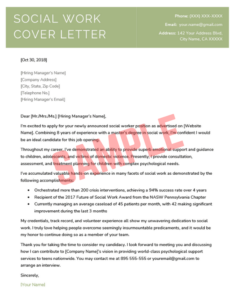
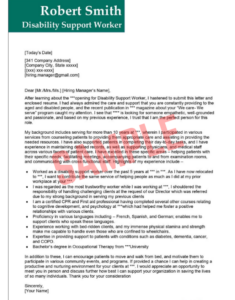
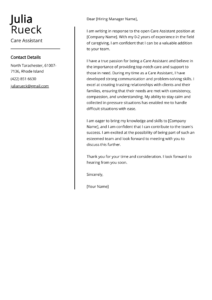
The structure of your document should be clean and easy to read. Start with a professional header that includes your name, phone number, and a professional email address. Follow this with the date and the contact information for the hiring manager if you have it. If you do not know the name of the person who will be reading your letter, a polite greeting like Dear Hiring Manager is perfectly acceptable. The goal is to appear organized and professional from the very first glance, setting a positive tone for the rest of the document.
As you move through the sections, keep your language clear and conversational. Avoid using overly dense academic jargon or overly formal language that feels stiff. You want to sound like a professional human being who is ready to talk to other human beings. The human services field is all about connection, so your writing should reflect a personality that is approachable yet competent. Use active verbs and keep your sentences varied in length to maintain a good reading rhythm that holds the reader’s attention.
To make sure you have covered all your bases, consider including these specific elements in your document:
- A strong opening statement that mentions the specific role you are applying for.
- A brief explanation of your educational background and how it prepared you for this career.
- Two or three specific examples of past successes or challenges you overcame.
- A mention of any specialized certifications like CPR or crisis intervention training.
- A closing statement that reiterates your enthusiasm and invites a conversation.
Before you hit send, take a moment to step away from your computer and then come back to read your letter out loud. This is one of the most effective ways to catch small typos or awkward phrasing that your eyes might skip over when reading silently. Hearing your own words helps you determine if the tone is right and if the flow of the letter makes sense. In a field where attention to detail and clear communication can be life changing for clients, showing that you have put effort into a polished application speaks volumes about your work ethic.
Once you are satisfied with the content, save your document as a PDF to ensure that the formatting remains exactly as you intended, regardless of what device the hiring manager uses to open it. This small technical step ensures that your professional presentation stays intact. Remember that your cover letter is just the beginning of the conversation. It is the key that opens the door to the interview, where you can further demonstrate your passion and suitability for the role. With a solid plan and a sincere heart, you are well on your way to securing a position that truly makes an impact.