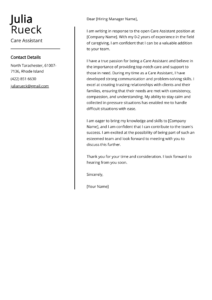
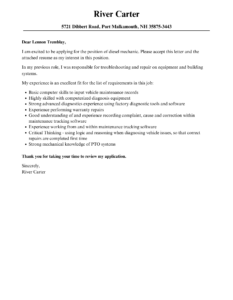
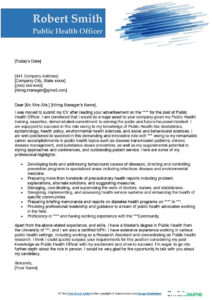
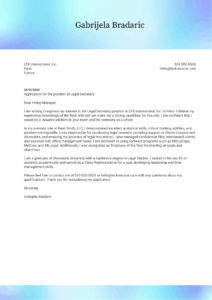
Finding the right way to introduce yourself to a potential employer can feel like a daunting task, especially when you are aiming for a role that requires high precision like accounting. Many applicants wonder if they should keep things strictly formal or if they can let a bit of their personality shine through the page. By using a reliable accounting assistant cover letter template, you can strike that perfect balance between professional competence and a friendly, approachable tone. It serves as a foundation that helps you organize your thoughts so that you do not miss any of the essential details that hiring managers are looking for in a candidate.
When you start writing, you want to remember that the person reading your letter is likely busy and looking for specific indicators of reliability. They want to know that you understand the basic principles of bookkeeping, that you are comfortable with financial software, and that you have an eye for detail that will prevent costly errors. A template is not meant to be a document where you simply swap out a few names and hit send. Instead, it is a guide that shows you where to place your strongest arguments and how to transition from your education to your practical work experience seamlessly.
The goal is to make the reader feel like you are already part of their team. You are not just asking for a job; you are offering a solution to their administrative and financial needs. By focusing on how you can support the senior accountants and keep the department running smoothly, you show a level of maturity and initiative that is highly valued in the industry. Let us dive deeper into how you can take a standard structure and turn it into a compelling narrative that proves you are the best fit for the assistant position.
Creating a Narrative That Highlights Your Value
One of the most effective ways to make your application stand out is to focus on the results of your actions rather than just listing your previous duties. Even if your experience is limited to an internship or a university project, you can describe how your involvement led to a more organized system or a faster reconciliation process. People who hire assistants are looking for individuals who can take a load off their shoulders. If you can demonstrate that you are proactive and capable of managing smaller tasks without constant supervision, you will immediately become a more attractive candidate.
You should also take the time to mention specific tools and software that you have mastered. In the modern financial world, being proficient in programs like Microsoft Excel is a given, but mentioning your ability to use pivot tables or VLOOKUP functions can give you an edge. If you have experience with QuickBooks, Xero, or other industry standard platforms, make sure those names appear early in your letter. This shows that you will require less training and can hit the ground running, which is a massive plus for any busy accounting firm or corporate department.
Focusing on the Details That Matter
Accuracy is the cornerstone of the accounting profession, and your cover letter is the first place you can prove your commitment to it. If your letter is sloppy or contains typos, a hiring manager will naturally worry that your financial reports will be equally messy. Use your writing to demonstrate your communication skills by being clear and concise. Explain how you approach complex problems and what steps you take to double check your work before submission. This level of transparency builds trust before you even step into the interview room.
Another great strategy is to mirror the language used in the job description. If the posting emphasizes data entry and bank reconciliations, ensure those terms are woven into your paragraphs. This does not mean you should copy the posting word for word, but rather that you should show you have read it thoroughly and understand the core requirements of the role. When you use an accounting assistant cover letter template as your starting point, it becomes much easier to see where these keywords fit naturally into your professional story.
Building a Connection With the Company
It is always a good idea to research the company you are applying to and mention something specific about why you want to work there. Perhaps they have a reputation for excellent client service or they specialize in an industry that you find particularly interesting. By adding a sentence or two about the company culture or their recent successes, you prove that you are not just sending out mass applications. You are showing genuine interest in their specific organization, which goes a long way in building a positive first impression.
Finally, do not be afraid to show a bit of enthusiasm for the field of accounting. While it is a serious profession, employers love to hire people who actually enjoy the work they do. Mentioning that you find satisfaction in balancing accounts or that you enjoy the puzzle of identifying discrepancies can make you seem more human and passionate. This conversational approach helps break the ice and makes you a more memorable candidate among a sea of dry, overly formal applications.
The Essential Elements of an Effective Application
Every successful cover letter follows a certain logic that guides the reader from the introduction to the final call to action. You want to start with a strong opening that clearly states the position you are applying for and why you are excited about the opportunity. From there, you move into the meat of the letter where you connect your skills to the specific needs mentioned in the job advertisement. This middle section is your chance to shine and provide context for the items listed on your resume, telling the story of how you developed your professional expertise.
As you wrap things up, your closing should be confident and clear. Thank the hiring manager for their time and express your desire to discuss your qualifications further in an interview. You want to leave them with the impression that you are a professional who is ready to contribute to their team immediately. Avoid being too passive; instead of saying you hope to hear from them, tell them you look forward to the possibility of speaking with them. This small shift in language can make a big difference in how your confidence is perceived.
To ensure your letter is as polished as possible, keep the following points in mind as you do your final review:
Success in landing an assistant role often comes down to the quality of your preparation and the clarity of your communication. By taking the time to customize your approach and focusing on the value you bring to the table, you set yourself apart from the competition. It is about showing that you have the technical skills to do the job and the soft skills to fit into the existing team culture. When you combine your personal experiences with a structured layout, you create a powerful document that effectively advocates for your employment.
Remember that the job search is a process of finding the right match for both you and the employer. Your cover letter is the bridge that connects your past achievements with your future potential. With a clear focus and a well organized presentation, you will be well on your way to securing an interview and starting the next chapter of your career in the accounting field. Stay persistent, keep refining your message, and let your dedication to the craft of accounting show through every word you write.