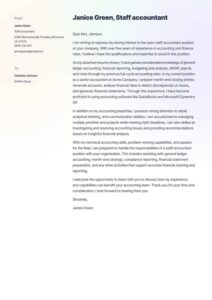
Tax season often feels like a giant puzzle with missing pieces. Whether you are an individual trying to stay organized or a professional accountant managing hundreds of clients, presentation matters. One of the best ways to ensure everything stays in order is by using a tax return cover letter template to introduce your documentation. This simple addition can transform a messy pile of receipts and forms into a professional package that is easy to navigate for any reviewer or auditor.
Think of the cover letter as the roadmap for your tax filing. It tells the reader exactly what is inside, why it is there, and what needs to happen next. Without it, documents can get lost or misinterpreted, leading to unnecessary delays or questions from the tax authorities. By taking a few extra minutes to draft a clear introduction, you are essentially protecting your work and ensuring a smoother process from start to finish.
Many people skip this step because they think it is a waste of time, but the reality is quite the opposite. A well-structured letter actually saves time for everyone involved by highlighting key information immediately. It shows that you are diligent and serious about your financial responsibilities. If you want to make a great impression and keep your records straight, starting with a solid foundation is the key to achieving a stress-free tax season.
Setting the Stage for a Successful Filing Process
When you sit down to organize your financial life for the year, the sheer volume of paperwork can be overwhelming. A cover letter serves as a formal introduction that sets the tone for the entire submission. It acts as a protective shield for your data, ensuring that the person opening your envelope or email knows exactly what they are looking at. This level of clarity is especially important if you are sending your documents to a professional preparer who might be handling dozens of other files simultaneously.
The primary goal of this document is to bridge the gap between your raw data and the final tax return. It provides context that numbers alone cannot convey. For example, if you had a significant life change like a marriage, the birth of a child, or the sale of a property, the cover letter is the perfect place to mention these details. This helps the tax professional or the agency understand the context behind the figures without needing to call you for clarification multiple times.
Essential Components for Your Document
Every effective cover letter should begin with the basics. You need to include your full name, current mailing address, and the specific tax year the documents refer to. It is also helpful to include your contact information, such as a phone number or email address, so that any questions can be resolved quickly. This part of the letter ensures that if the documents are separated from their original folder, they can be easily reunited with your file.
Beyond the contact info, you should provide a concise summary of the contents. This is not the place for a novel, but rather a bulleted list or a short paragraph describing the forms you have included. Mentioning that you have attached three W2 forms and two 1099 forms helps the recipient verify that nothing was lost in transit. It creates a checklist that both you and the receiver can use to verify the completeness of the package.
Providing Specific Instructions and Deadlines
If there are specific actions you need the recipient to take, the cover letter is where you should state them clearly. Perhaps you need a signature on a specific form, or maybe you are requesting a digital copy of the final filing for your own records. Stating these expectations upfront prevents misunderstandings and ensures that your needs are met in a timely manner. Clear communication is the best way to avoid the back and forth emails that often plague the final weeks of the tax season.
Finally, always conclude your letter with a polite closing and a reminder of any upcoming deadlines. If you are aiming to file by a certain date to receive a refund sooner, mentioning this can help prioritize your file. It also serves as a final professional touch that reflects well on your organizational skills. Once you have this structure in place, you will find that the entire process feels much more controlled and less like a chaotic scramble.
Customizing Your Approach for Different Needs
No two tax situations are exactly the same, which is why flexibility is so important. A small business owner will have much different requirements than a student filing for the first time. When you are looking for a tax return cover letter template that works for you, make sure it allows for customization. You should be able to swap out sections based on whether you are reporting rental income, investment dividends, or simple employment wages.
To make the process even easier, consider keeping a list of common items that you might need to include in your package. Having a standard set of categories helps you remember what to look for when you are gathering your documents at the end of the year. Here are some common items that often find their way into a well-prepared tax package:
Before you finalize your letter, take a moment to read it over from the perspective of someone who knows nothing about your finances. If the letter is easy to follow and explains the situation clearly, then it has done its job. Double-checking for typos or missing information at this stage can save you from major headaches later on. Remember that this letter is the first thing a human will see, and a little bit of effort goes a long way in building a positive relationship with tax professionals.
As you move forward, keep a copy of your letter for your own records. This creates a historical trail of what you submitted and when you submitted it, which can be incredibly useful if you are ever asked for documentation in the future. Organization is not just about the present moment; it is about making things easier for your future self. By using a consistent method for your filings, you turn an annual chore into a streamlined and manageable task.
In the end, the goal is to reduce the friction that usually comes with tax season. A clear and concise introduction provides a professional touch that reflects your commitment to accuracy. While the numbers are the most important part of the return, the way you present those numbers tells a story about your attention to detail and your respect for the process. This approach helps build trust and ensures that your filing is processed with the care it deserves.