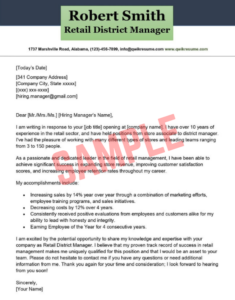
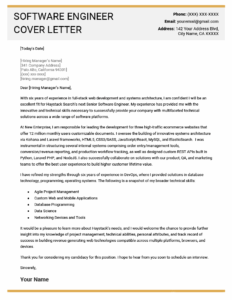
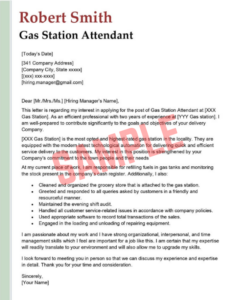
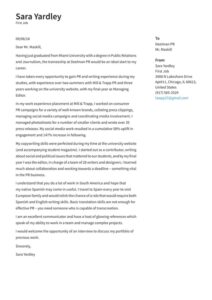
Stepping into the professional world for the first time can feel like a daunting adventure. You’re eager, motivated, and ready to contribute, but without a long list of previous jobs, how do you make a memorable first impression? This is where a well-crafted cover letter becomes your secret weapon, and why understanding a solid cover letter template for entry level jobs is absolutely essential. It’s your chance to speak directly to a hiring manager, explaining why you’re the perfect fit, even without years of experience.
Many entry-level candidates underestimate the power of a good cover letter, often thinking their resume alone will do the trick. However, your cover letter is an opportunity to tell your story, highlight your passion, and connect your academic achievements, volunteer work, or personal projects to the requirements of the role. It shows initiative and a genuine interest in the company and position.
This article will walk you through the key components of an effective entry-level cover letter, helping you structure your thoughts and present yourself as a valuable asset. We’ll explore how to showcase your potential, enthusiasm, and transferable skills, ensuring your application stands out from the crowd.
Crafting Your First Impression: What Makes a Great Entry-Level Cover Letter
Even if your work experience section on your resume is a bit sparse, your cover letter can be packed with personality and purpose. It’s not about fabricating experience, but rather about skillfully presenting what you do have and connecting it directly to the job you want. Think of it as your personal introduction, a handshake before you even meet them.
Your Contact Information and the Date
Start with the basics. At the very top of your letter, clearly list your name, phone number, email address, and optionally, your LinkedIn profile URL. Below that, include the current date. This provides all the necessary details for the hiring manager to get back to you and establishes a professional tone right from the start.
The Recipient’s Information
Always try to address your letter to a specific person. Do a little research on LinkedIn or the company website to find the name of the hiring manager or department head. If you absolutely cannot find a name, “Hiring Manager” or “Hiring Team” is an acceptable alternative. Include their title, the company name, and the company’s address. This shows you’ve done your homework and are serious about the application.
The Opening Paragraph: Hook Them In!
Your first paragraph needs to grab their attention immediately. State clearly which position you’re applying for and where you saw the advertisement. More importantly, express your genuine enthusiasm for the role and the company. Briefly mention what excites you about this specific opportunity and why you believe you’re a strong candidate. This isn’t just a generic statement; it’s tailored.
The Body Paragraphs: Show, Don’t Just Tell
This is where you bridge the gap between your experiences and the job requirements. Without direct professional experience, focus on transferable skills gained from academic projects, volunteer work, internships, extracurricular activities, or even part-time jobs unrelated to your career path. Did you lead a study group? That’s leadership and teamwork. Did you manage a club’s social media? That’s communication and digital marketing.
Connect these experiences to the skills listed in the job description. For example, if the job requires strong analytical skills, talk about a research paper you wrote or a data analysis project you completed in school. Emphasize your eagerness to learn, your adaptability, and your problem-solving abilities. Show them how your fresh perspective and strong foundational skills make you a valuable potential employee.
The Closing Paragraph: Call to Action and Professionalism
In your final paragraph, reiterate your interest in the position and thank the hiring manager for their time and consideration. Express your eagerness to learn more about the role and the company during an interview. Conclude with a professional closing like “Sincerely” or “Best regards,” followed by your typed name.
Making the Most of Your Cover Letter Template
While a cover letter template for entry level jobs provides an excellent framework, remember that it’s a starting point, not a fill-in-the-blanks exercise. The most effective cover letters are those that are customized for each specific job application. Copying and pasting generic text will rarely get you past the initial screening.
Think of the template as a guide that ensures you include all the necessary elements and maintain a professional structure. Your goal is to infuse your unique personality, skills, and enthusiasm into that structure, tailoring every sentence to reflect the job description and company culture. Customization shows effort, genuine interest, and makes a strong statement about your attention to detail.
Here are some crucial tips for personalizing your cover letter:
- Research the company and role thoroughly to understand their mission, values, and specific needs.
- Tailor your skills and experiences to match the keywords and requirements outlined in the job description.
- Proofread meticulously for any grammatical errors or typos – a fresh pair of eyes can help.
- Keep it concise, ideally fitting all content onto a single page to respect the hiring manager’s time.
- Save your cover letter as a PDF before sending to maintain formatting integrity across different systems.
By following these guidelines, you’ll transform a basic template into a powerful tool that highlights your strengths and potential. A well-crafted cover letter can significantly enhance your job application, setting you apart from other candidates and making a compelling case for why you deserve an interview.
Remember, every job application is a chance to showcase your best self. A thoughtful, personalized cover letter communicates your enthusiasm and professionalism, proving that you’re not just another applicant, but a motivated individual ready to contribute. It’s about making a strong first impression that opens the door to future conversations and opportunities.