Navigating the competitive landscape of medical job applications can feel like a complex procedure itself. While your CV meticulously details your qualifications and experience, a well-crafted cover letter serves as your initial consultation with a potential employer. It is your chance to make a personal connection, highlight your unique strengths, and explain why you are the ideal candidate for a specific role. That’s why having a reliable cover letter template for doctors can be an absolute game-changer, simplifying the process while ensuring professionalism.
Think of your cover letter not as a mere formality, but as an essential diagnostic tool for your career. It allows you to elaborate on the most relevant aspects of your medical journey that might not be immediately obvious from bullet points on your resume. It’s where you articulate your passion for patient care, your commitment to continuous learning, and your specific interest in the institution you’re applying to.
In this article, we’ll explore the components of an effective cover letter, offering guidance that helps you stand out from the crowd. We’ll discuss how to tailor your message to resonate with hiring managers and provide a structure that you can adapt for various medical specializations and roles, ensuring your application always makes a strong and lasting impression.Crafting Your Doctor’s Cover Letter: A Step-by-Step Guide
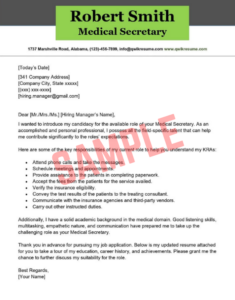
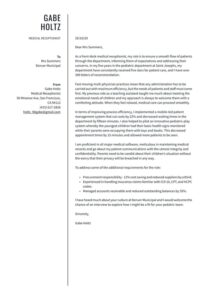
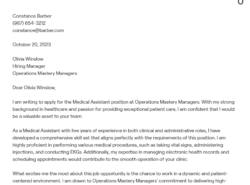
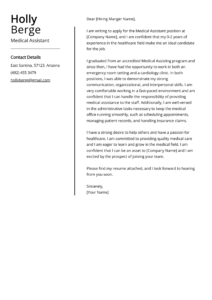
A successful cover letter is more than just an introduction; it’s a narrative that complements your resume, bringing your professional story to life. It demonstrates your ability to communicate effectively and shows that you’ve taken the time to understand the role and the institution. Let’s break down the essential elements that will help you build a compelling letter, making the most of a cover letter template for doctors.
The Powerful Opening
The first paragraph is crucial for grabbing the reader’s attention. Clearly state the position you are applying for and where you learned about it. Express your genuine enthusiasm for the role and the institution. For example, “I am writing to express my keen interest in the Resident Physician position in Internal Medicine at [Hospital Name], as advertised on [Platform]. With my robust clinical experience and a strong commitment to patient-centered care, I am confident I can make a significant contribution to your team.”
Showcasing Your Expertise
In the next one or two paragraphs, dive deeper into your qualifications and experience. Instead of simply listing achievements from your CV, provide brief anecdotes or specific examples that illustrate your skills. Focus on accomplishments that are directly relevant to the job description. If the role emphasizes research, discuss your contributions to a significant study. If it focuses on patient interaction, share an experience where your communication skills made a difference.
Highlight your medical training, certifications, and any specialized skills or procedures you are proficient in. Quantify your achievements whenever possible. For instance, instead of saying “managed many patients,” try “successfully managed a caseload of over 30 acute medical patients daily.” This section is where you connect your past experiences with the requirements of the new role.
Aligning with the Institution
This is where you show you’ve done your homework. Research the hospital, clinic, or practice you are applying to. Mention specific programs, values, or recent achievements that resonate with you. Explain why you are particularly drawn to *their* institution. Perhaps their commitment to community outreach aligns with your personal values, or their cutting-edge research in a specific field excites you. This personalization demonstrates genuine interest and foresight.
The Professional Close
Conclude your letter by reiterating your strong interest in the position and your belief that you are a suitable candidate. Express your eagerness for an interview to discuss how your skills and experience can benefit their team. Thank them for their time and consideration. A polite and professional closing statement is vital for leaving a positive final impression.
Finally, choose a professional closing like “Sincerely” or “Regards,” followed by your typed full name. Ensure your contact information (phone number, email) is clearly visible either in the header or just below your name. Remember, every element of your cover letter contributes to the overall perception of your candidacy.
Essential Tips for a Standout Doctor’s Cover Letter
While a template provides structure, several key strategies can elevate your cover letter from good to exceptional. These tips ensure your application not only meets expectations but also truly stands out in a pile of highly qualified candidates.
Always tailor your cover letter for each application. Resist the urge to send generic letters. Hiring managers can spot a copy-pasted letter from a mile away. Take the time to genuinely research the position and the institution, then weave specific details into your letter. This shows respect for their time and a serious commitment to the opportunity.
Pay meticulous attention to detail. Proofread your letter multiple times for any grammatical errors, typos, or awkward phrasing. Even a single mistake can detract from your professional image. Consider asking a trusted colleague or mentor to review it as well. A fresh pair of eyes often catches what you might have missed.
Here are some quick pointers to keep in mind:
- Keep it concise: Aim for one page, ideally three to five well-structured paragraphs.
- Maintain a professional yet confident tone.
- Focus on what you can do for them, not just what you want.
- Avoid jargon unless absolutely necessary and widely understood in the medical community.
- Ensure consistency with your resume in terms of dates and qualifications.
A compelling cover letter is an invaluable asset in your job search, especially in the medical field where precision and care are paramount. It’s your chance to move beyond the bullet points of your CV and articulate your professional narrative, showcasing your dedication, expertise, and unique qualities to potential employers. By following these guidelines and adapting the structure provided, you can consistently present yourself as a top-tier candidate.
Embrace the opportunity to tell your story and demonstrate your suitability for the role. A thoughtfully composed letter not only enhances your application but also reflects your professionalism and attention to detail—qualities highly valued in any medical setting. Invest the time in perfecting this crucial document, and you will significantly boost your chances of securing that coveted interview and taking the next step in your distinguished medical career.