Landing your dream job in the fast-paced world of supply chain management starts long before an interview. It begins with a compelling application, and at the heart of that application often sits a powerful cover letter. A well-crafted supply chain cover letter template can be your secret weapon, helping you articulate your skills and passion in a way that truly resonates with hiring managers and sets you apart from the competition. It is your opportunity to tell your unique story and demonstrate why you are the perfect fit for the role.
Think of your cover letter not as a mere formality, but as an initial conversation with your potential future employer. It is where you bridge the gap between your resume’s bullet points and the specific needs of the job description. This is your chance to expand on your achievements, showcase your problem-solving abilities, and convey your enthusiasm for contributing to their organization’s supply chain success.
In an industry that thrives on efficiency and strategic thinking, your application should reflect these very qualities. A personalized and impactful cover letter highlights your understanding of the supply chain landscape and your readiness to tackle its complexities. It shows you are not just another applicant, but a thoughtful professional eager to make a tangible difference.
Crafting Your Stellar Supply Chain Cover Letter
Creating a cover letter that stands out in the competitive supply chain industry requires a strategic approach. It is about more than just summarizing your resume; it is about storytelling and demonstrating a clear understanding of the role and the company. Your cover letter should act as a persuasive argument, convincing the hiring manager that you possess the unique combination of skills, experience, and drive necessary to excel in their team.
Begin by thoroughly researching the company and the specific job description. Understand their mission, values, recent projects, and the challenges they might be facing. This insight will allow you to tailor your letter, making it highly relevant and personal, rather than a generic submission. A personalized letter immediately communicates your genuine interest and diligence, qualities highly valued in supply chain professionals.
Highlighting Key Skills and Experiences
When you are writing, focus on demonstrating how your past experiences align with the requirements of the role. For instance, if the job description emphasizes logistics optimization, recount a specific time you successfully streamlined a transportation route or reduced shipping costs. If procurement is a key area, detail your experience with vendor negotiation or strategic sourcing initiatives. Quantifiable achievements are particularly powerful here; numbers speak volumes about your impact. Did you reduce inventory holding costs by a certain percentage? Did you improve delivery times? Be specific and proud of your contributions.
Highlight your proficiency in relevant technologies and methodologies such as ERP systems, supply chain analytics tools, lean principles, or Six Sigma. The modern supply chain relies heavily on data and technology, so showcasing your technical acumen is crucial. Moreover, emphasize your soft skills: problem-solving, critical thinking, communication, and collaboration are indispensable in a field that constantly demands adaptability and cross-functional teamwork.
Structuring Your Message Effectively
A well-structured cover letter guides the reader smoothly through your qualifications. Start with a strong opening paragraph that states the position you are applying for and why you are excited about it, immediately grabbing their attention. The body paragraphs are where you elaborate on your most relevant skills and experiences, providing concrete examples and measurable results. Do not just list your responsibilities; explain the *impact* of your actions.
Each paragraph should build upon the last, progressively making a stronger case for your candidacy. Conclude your letter with a polite but confident closing, reiterating your interest, expressing gratitude for their time and consideration, and clearly stating your desire for an interview. Remember to maintain a professional yet approachable tone throughout.
What to Include and What to Avoid
When preparing your application, knowing precisely what elements to incorporate into your cover letter can make all the difference. A well-constructed letter ensures that all necessary information is present, making it easy for the hiring manager to connect with you and understand your qualifications. It is about being clear, concise, and compelling in your presentation.
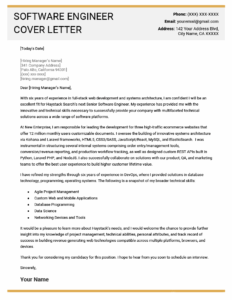
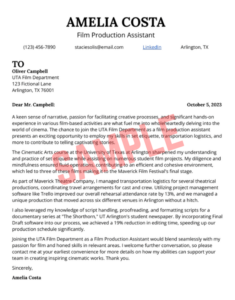
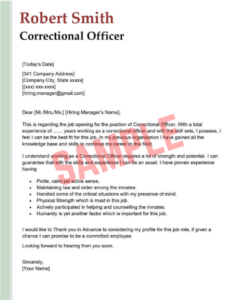
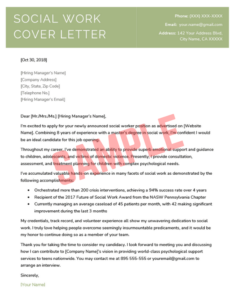
Crucially, every cover letter should begin with your contact information, followed by the date, and then the hiring manager’s contact details if known. A personalized salutation, addressing the hiring manager by name, instantly sets a professional and respectful tone. The body of the letter should logically present your qualifications, starting with an engaging introduction, progressing through paragraphs that detail relevant experiences and achievements, and concluding with a strong call to action.
Here are some essential elements to include:
- Your full contact information (name, phone, email, LinkedIn profile URL)
- The date of your application
- The hiring manager’s name and title (if known), or department name
- A clear statement of the position you are applying for and where you saw the advertisement
- Specific examples of how your skills and experience match the job requirements, using keywords from the job description
- Quantifiable achievements that demonstrate your impact in previous roles
- A polite and professional closing, reiterating your interest and availability for an interview
- A professional signature (e.g., “Sincerely,” “Best regards,”) followed by your typed name
Equally important is knowing what to avoid. Steer clear of generic statements that could apply to any job or company. Do not simply rehash your resume; instead, use the cover letter to add context and storytelling to your bullet points. Avoid informal language, grammatical errors, and typos, as these can quickly undermine your professionalism. Keep the letter to one page; hiring managers are busy and appreciate brevity. And remember, while a good supply chain cover letter template can guide you, always customize the content for each application.
By meticulously crafting your cover letter, you are not just applying for a job; you are making a strong case for your future contribution to an organization. It is an opportunity to highlight your strategic thinking, your problem-solving abilities, and your genuine enthusiasm for the complex and rewarding field of supply chain management. This careful presentation can significantly boost your chances of moving forward in the hiring process.