In today’s fast-paced business world, flexibility in payment options can be a real game-changer, especially for customers who prefer to pay upon receiving their goods. Cash on Delivery, often abbreviated as COD, remains a popular choice for many, offering a sense of security and trust in the transaction. It’s a method that bridges the gap for those who might not have access to digital payment methods or simply prefer the tangible exchange of money for product.
While COD offers convenience for the buyer, it introduces a unique set of administrative tasks for the seller. Beyond simply handing over the item and collecting payment, there’s a crucial need for proper documentation. This isn’t just about accountability; it’s about maintaining clear records, managing inventory, and ensuring a smooth financial reconciliation at the end of the day or week. Without a robust system, these transactions can quickly become a source of confusion and potential errors.
That’s where a well-designed cash on delivery invoice template comes into play. It acts as a standardized document that details the transaction, provides proof of purchase, and simplifies the entire process for both your business and your customers. Having a consistent template ensures all necessary information is captured every single time, making your operations more efficient and professional.
The Indispensable Role of a Cash On Delivery Invoice Template in Your Operations
Operating a business, especially one that frequently uses Cash On Delivery, demands precision and clarity at every step. A robust cash on delivery invoice template isn’t just a piece of paper; it’s a critical tool that underpins your operational efficiency and customer trust. Think of it as the handshake that confirms the deal, providing a transparent record of what was bought, its cost, and when it was delivered. Without such a standardized document, you’re essentially flying blind, leaving room for misunderstandings and disputes.
Imagine a scenario where a delivery driver simply hands over a package and collects cash without any formal receipt. If a customer later claims they received the wrong item or were overcharged, how do you verify the transaction? This is where your invoice steps in, serving as undeniable proof of the agreement. It outlines all the specifics, ensuring both parties are on the same page and that there’s a clear audit trail should any questions arise.
Beyond dispute resolution, a good template streamlines your internal processes. Your accounting team will thank you when they receive clear, consistent invoices for reconciliation, rather than a jumble of handwritten notes. It simplifies inventory management by providing an accurate record of goods dispatched and received, helping you track sales patterns and restock efficiently. This level of organization is vital for sustainable growth and avoiding costly errors.
Moreover, a professionally designed invoice elevates your brand image. It shows customers that you are serious about your business, organized, and committed to transparency. This attention to detail can significantly enhance customer confidence and encourage repeat business, turning a simple transaction into a building block for long-term customer relationships. It’s an investment in your reputation and the seamless flow of your daily activities.
Key Elements Your COD Invoice Should Include
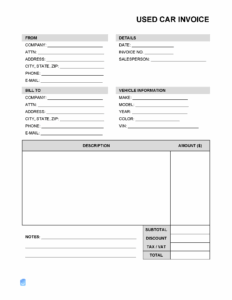
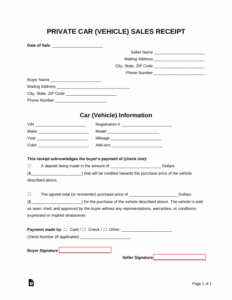
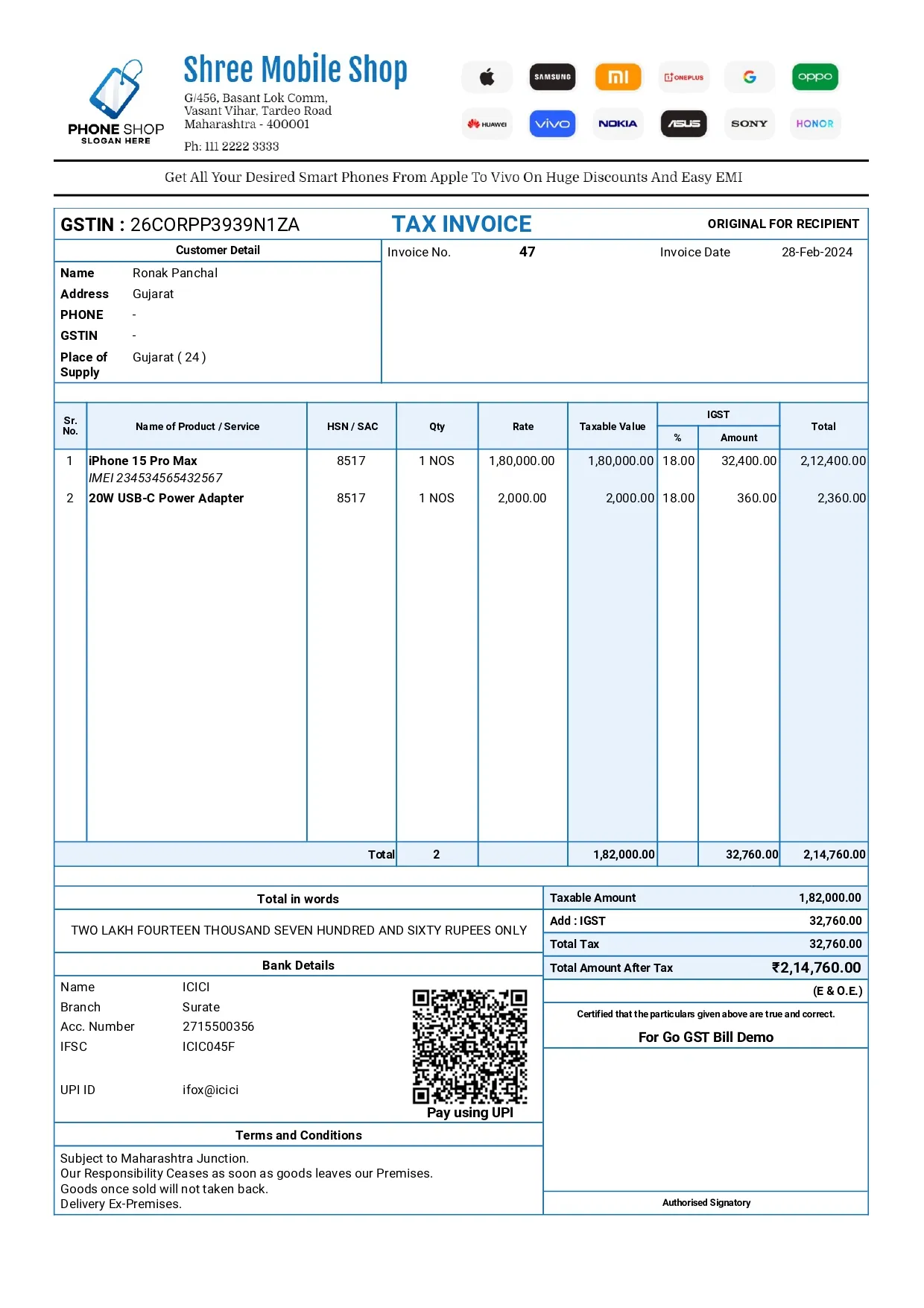
- Your Company Details: Name, address, contact information, and logo.
- Invoice Number: A unique identifier for tracking.
- Date of Invoice: When the invoice was generated.
- Customer Details: Name, address, and contact information of the recipient.
- Order Details: Reference numbers, delivery date, and estimated delivery time.
- Itemized List of Goods: Description of each product, quantity, unit price, and total for each item.
- Subtotal and Applicable Taxes: Clearly show the sum before taxes and any sales tax or VAT.
- Total Amount Due: The final amount the customer needs to pay.
- Payment Method: Explicitly state “Cash On Delivery.”
- Terms and Conditions: Any return policies, warranties, or specific instructions.
- Space for Customer Signature: Proof of receipt and payment.
Ensuring all these details are consistently present on every cash on delivery invoice template makes a substantial difference. It transforms a simple payment collection into a fully documented business transaction, reducing the chances of miscommunication and enhancing the professionalism of your entire delivery process.
Maximizing Efficiency with Your Cash On Delivery Invoice Template
Once you have a fantastic cash on delivery invoice template, the next step is to ensure you’re using it to its full potential. It’s not enough to simply have the document; integrating it seamlessly into your daily operations will unlock its true value. This means educating your team, establishing clear protocols, and leveraging the template for more than just a single transaction. It becomes a tool for data collection, performance monitoring, and continuous improvement.
One of the most effective ways to utilize your template is through customization and digital integration. While a basic template is a great start, tailoring it to reflect specific product categories or customer segments can add another layer of functionality. Consider pre-filling recurring customer information for frequent buyers, or having drop-down menus for common product codes to speed up the invoice generation process. This saves valuable time for your delivery personnel and reduces the potential for errors on the go.
Furthermore, ensure your team understands the importance of accurately filling out every field. Training your delivery staff or whoever handles the cash collection is crucial. They need to know why each piece of information is required, how to correctly calculate totals, and the protocol for handling discrepancies or customer queries on the spot. A well-informed team can prevent issues before they escalate, maintaining customer satisfaction and protecting your business interests.
Think about the life cycle of your invoice after the payment is collected. Establishing a clear process for returning completed invoices to the office, whether physically or digitally, is vital for timely reconciliation. These documents are goldmines of information that can be used to analyze sales trends, identify popular products, and even pinpoint areas where your delivery process could be optimized. They feed directly into your financial records, making tax season and audits significantly less stressful.
Having a dependable cash on delivery invoice template doesn’t just simplify individual transactions; it strengthens the very backbone of your operational flow. By standardizing your documentation, you’re building a more reliable, transparent, and ultimately more profitable business. It empowers your team, reassures your customers, and provides the clear financial trails necessary for sound decision-making and sustained growth. Embracing a robust invoicing system means investing in the seamless future of your business.