Running a clothing business, whether you’re a boutique owner, an online retailer, or a custom apparel designer, involves a lot more than just curating fantastic garments. You’re constantly juggling inventory, marketing, customer service, and, of course, the crucial task of ensuring you get paid promptly and professionally. Amidst all this, one tool often overlooked but immensely powerful is a well-designed invoice. It’s not just a receipt; it’s a reflection of your brand’s professionalism and attention to detail.
Imagine a smooth, efficient transaction where your customers receive a clear, branded document detailing their purchase. This isn’t just wishful thinking; it’s a reality achievable with the right resources. A dedicated invoice template for clothing sales can streamline your billing process, making it easier to track transactions, manage inventory, and maintain excellent financial records. It helps you look organized and competent, reinforcing trust with every sale.
This article will guide you through the essentials of creating and utilizing an effective invoice specifically tailored for your clothing venture. We’ll explore what makes a great template, what details you absolutely need to include, and how to make the entire process as seamless as possible, allowing you to focus more on what you love: fashion and your customers.
Why a Specialized Invoice for Your Clothing Business is a Game Changer
While a generic invoice might seem sufficient, a specialized invoice template for clothing sales offers distinct advantages that cater directly to the unique aspects of the apparel industry. Clothing sales often involve variations in size, color, material, and sometimes even custom alterations or bulk discounts. A template designed with these nuances in mind ensures that every detail is captured accurately, preventing misunderstandings and future disputes. It’s about more than just numbers; it’s about conveying the quality and specificity of each garment.
Firstly, it elevates your brand image. A custom-designed invoice that incorporates your logo, brand colors, and contact information transforms a mundane document into another touchpoint for your brand. It reinforces your identity and makes a lasting impression, suggesting a professional and well-established business. Think of it as a final piece of packaging that leaves your customer feeling confident in their purchase and your service.
Secondly, it significantly improves your record-keeping and financial management. With a consistent template, every sale is documented in a uniform manner, simplifying the process of tracking revenue, managing returns, and preparing for tax season. You can quickly see what sold, when it sold, and at what price, providing invaluable data for inventory management and future purchasing decisions. This clarity is essential for sustainable growth.
Furthermore, a tailored invoice helps with legal and tax compliance. By clearly itemizing each clothing item, including unit price, quantity, and any applicable sales tax, you ensure that your records are robust and ready for any audit. This attention to detail protects your business and provides peace of mind, knowing that your financial practices are sound and transparent. It is an indispensable tool for maintaining financial integrity.
Finally, it enhances customer satisfaction. A clear, easy-to-read invoice provides all the necessary information to your customer about their purchase, including return policies or care instructions if you choose to include them. This transparency builds trust and reduces the likelihood of customer queries or complaints post-purchase. When customers feel informed and respected, they are more likely to return for future purchases and recommend your business to others.
Key Elements Your Clothing Sales Invoice Should Include
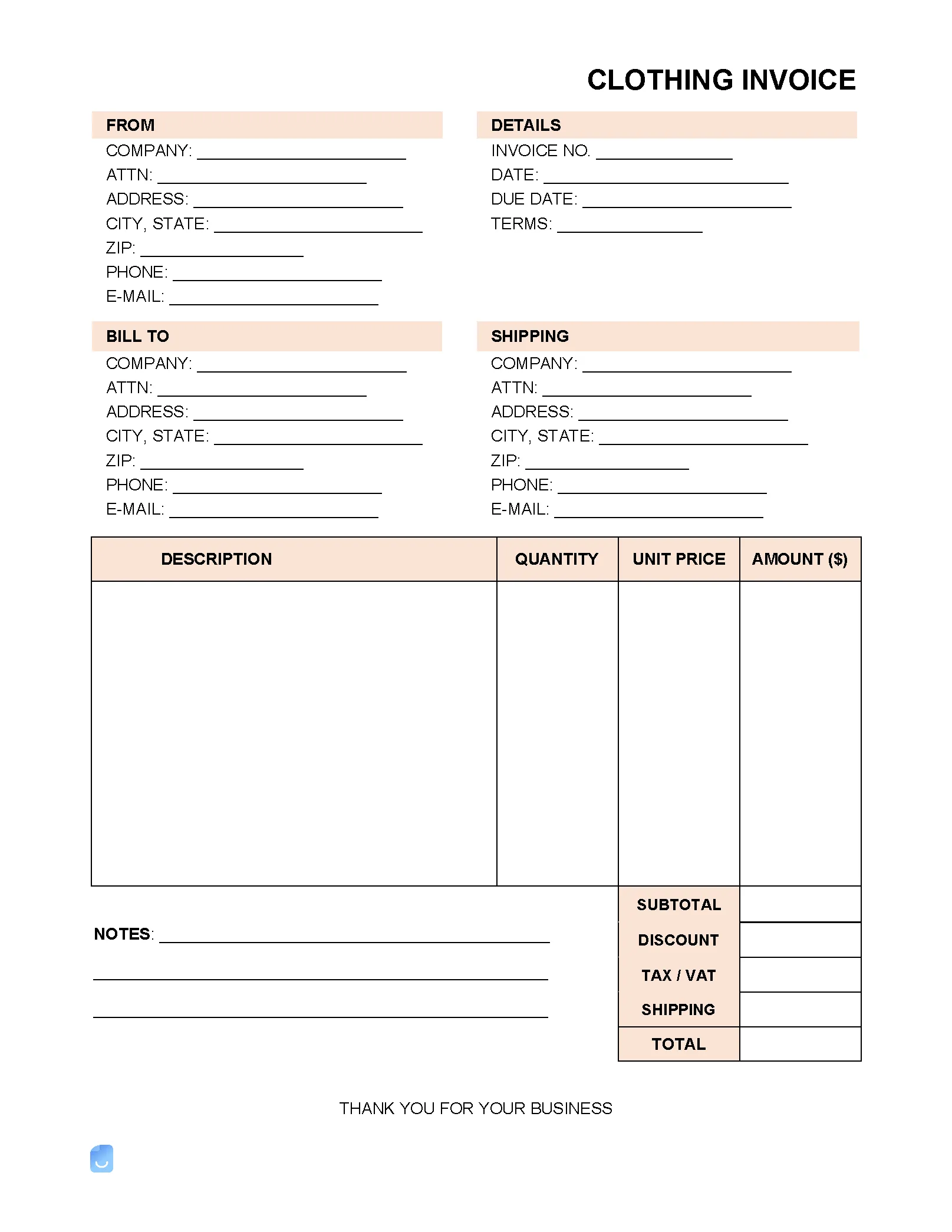
- Your business name, logo, and contact information (address, phone, email, website).
- Customer’s name and contact details.
- A unique invoice number and the date of issue.
- A clear, itemized list of each clothing item sold, including:
- Item description (e.g., “Women’s Floral Maxi Dress – Size M – Blue”).
- SKU or product code (if applicable).
- Quantity.
- Unit price.
- Subtotal for each item.
- Applicable discounts or promotions.
- Sales tax breakdown.
- Shipping costs (if applicable).
- Total amount due.
- Payment terms and methods.
- Return or exchange policy, or a reference to where it can be found.
- A personalized thank-you note or brand message.
Customizing Your Template for Brand Cohesion and Efficiency
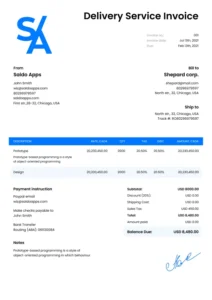
Beyond the essential information, the true power of an invoice template for clothing sales lies in its customizability. Your invoice is an extension of your brand identity, and tailoring it to reflect your unique aesthetic can significantly enhance your professional image. Think about the colors, fonts, and overall design that resonate with your brand. A visually appealing invoice is not just functional; it’s a subtle marketing tool that reinforces your brand’s personality with every single transaction.
Many digital tools and software offer robust customization options, allowing you to upload your logo, select your brand’s specific color palette, and choose fonts that match your website or storefront. This consistency across all your customer touchpoints creates a cohesive and memorable experience. Imagine a customer receiving an invoice that perfectly matches the vibe of the clothing they just purchased – it’s a seamless transition from browsing to buying to receiving their bill.
Furthermore, customization isn’t just about aesthetics; it’s also about functionality. You can adapt your template to include fields specific to your business model. For instance, if you offer tailoring services, you might want a section for alteration notes. If you sell vintage clothing, a field for item condition or unique identifiers would be beneficial. These small additions can make a huge difference in clarity for both you and your customers, demonstrating your thoughtfulness and attention to the specificities of your offerings.
Adopting a digital, customizable template also dramatically boosts efficiency. Once set up, generating new invoices becomes a matter of mere minutes, freeing up valuable time that you can reinvest into product development, marketing, or direct customer engagement. This automation reduces human error, ensures consistency, and allows you to process more sales with less administrative overhead. It’s a smart investment for any growing clothing business looking to scale effectively.
Embracing a professional and well-structured approach to your billing process can significantly impact your clothing business’s success. By leveraging a thoughtfully designed invoice template, you not only ensure accurate record-keeping and compliance but also strengthen your brand identity and foster stronger customer relationships. It transforms a routine administrative task into an opportunity to showcase your professionalism and meticulousness, paving the way for sustained growth and a stellar reputation.
Investing a little time now to set up the perfect invoicing system will pay dividends in the long run, allowing you to manage your finances with greater ease and confidence. This enables you to dedicate more energy to the creative and customer-facing aspects of your business, ensuring that your passion for fashion continues to thrive and connect with your audience in meaningful ways.